How Profitable Is Logistics in 2026? The Real Margins, Costs, and Software Edge
Explore the real profitability of the logistics industry in 2026. We break down margins, major costs, and how logistics software drives efficiency and profit.
If you run a business that moves goods, you’ve probably heard the term “logistics software” tossed around a lot. In plain English, it’s any program that helps you plan, execute, and track the flow of products from one place to another. Think of it as a digital traffic controller for your supply chain.
Why bother with software at all? Because manual spreadsheets quickly turn into a nightmare when you have dozens of orders, multiple warehouses, and a fleet of trucks. A good system takes the guesswork out of routing, inventory levels, and delivery dates, letting you focus on growing the business instead of chasing paperwork.
First off, visibility. Real‑time dashboards show you exactly where each pallet is, which driver is on the road, and whether a warehouse is running low on stock. That instant picture helps you avoid stock‑outs and reduce overtime costs.
Second, efficiency. Automation handles repetitive tasks like generating pick lists, printing labels, and sending shipment confirmations. When the software does the heavy lifting, your team can process more orders with less effort.
Third, data‑driven decisions. Every shipment creates a data point – fuel usage, delivery time, route performance. The software aggregates this info and turns it into easy‑to‑read reports, so you can spot trends and cut waste.
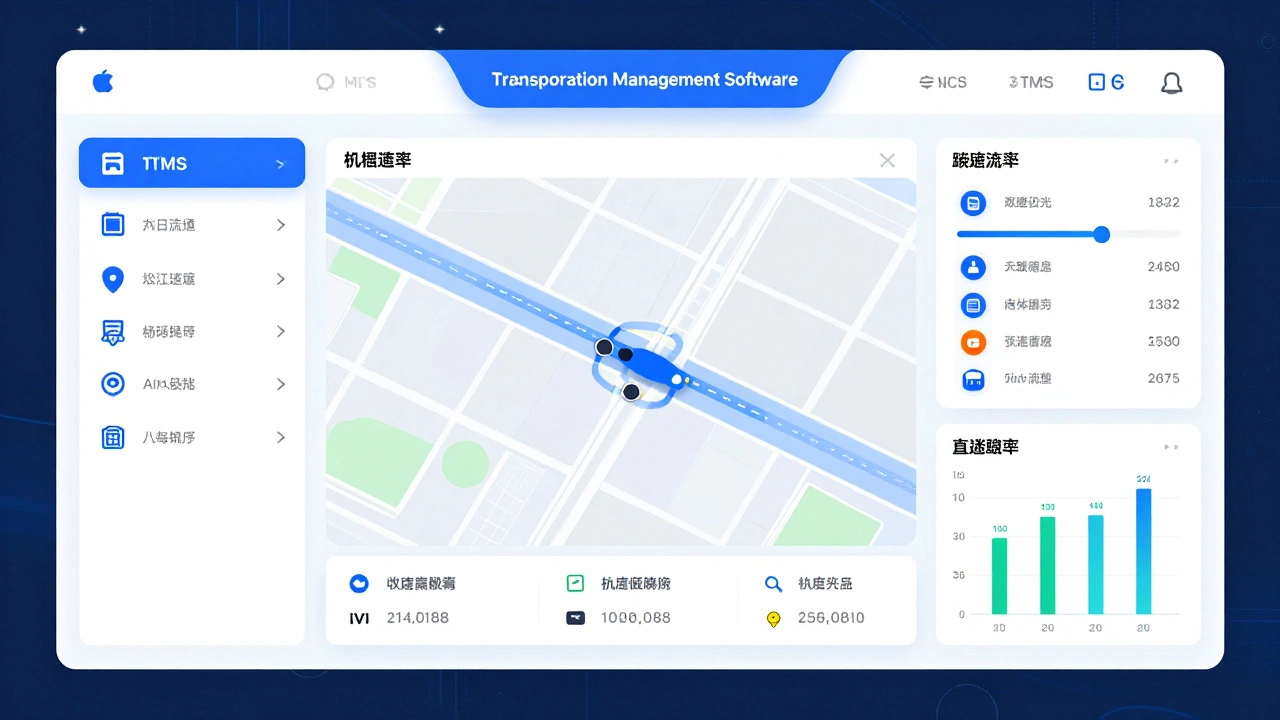
Don’t just pick the first system you see. Start by listing the problems you need to solve. Are you looking for better warehouse management, smoother transportation planning, or a mix of both? Some platforms specialize in WMS (Warehouse Management System), while others focus on TMS (Transportation Management System). A hybrid solution can cover both, but it often costs more.
Next, think about size. Small businesses may get by with a cloud‑based subscription that scales as you grow. Larger enterprises might need an on‑premise setup with custom integrations to existing ERP (Enterprise Resource Planning) software.
Pricing is another big factor. You’ll see three common models: per‑user licensing, per‑shipment fees, or a flat monthly rate. Compare what each model includes – support, updates, training – and calculate the total cost of ownership over a year.
Usability can’t be overlooked. If the interface is clunky, your staff will push back and the adoption rate will drop. Look for systems that offer a free trial or demo, and make sure the vendor provides clear onboarding help.
Finally, check the vendor’s track record. Companies that have been around for a while usually have better support and a roadmap for future upgrades. Read reviews, ask for references, and verify that the software complies with any industry regulations you must follow.
Bottom line: the right logistics software gives you clear visibility, automates routine work, and supplies data you can trust. By matching the tool’s strengths to your specific pain points, you’ll save time, cut costs, and keep customers happy.
Ready to get started? List your must‑haves, set a budget, and test a few options. When the software clicks with your workflow, you’ll wonder how you ever managed without it.

Explore the real profitability of the logistics industry in 2026. We break down margins, major costs, and how logistics software drives efficiency and profit.
Find the best transportation management software for 2026. Compare top TMS providers like Ocean Connect, Oracle, and Konnect. Learn key features, costs, and implementation tips to optimize your logistics.
FedEx uses proprietary, custom-built routing software rather than off-the-shelf tools. Learn about their AI-driven algorithms, telematics integration, and how they optimize global logistics.
Confused about what warehouse software is called? Learn the differences between WMS, ERP, and IMS to find the right solution for your logistics and inventory needs.
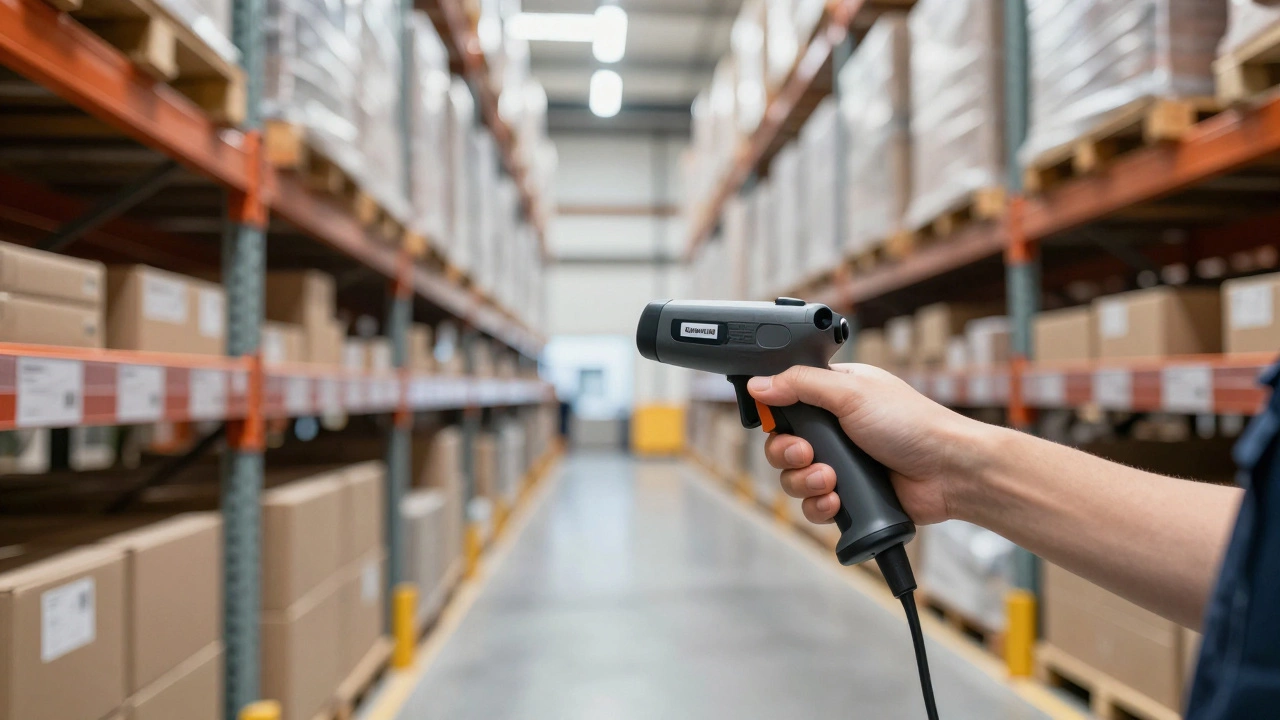
A Warehouse Management System (WMS) is software that tracks inventory, guides picking, and streamlines shipping in warehouses. It cuts errors, saves time, and boosts customer satisfaction. Learn how it works and why even small businesses need one.
Learn how to turn Microsoft Excel into a practical inventory tracker, see its limits, and decide when to upgrade to dedicated logistics software.
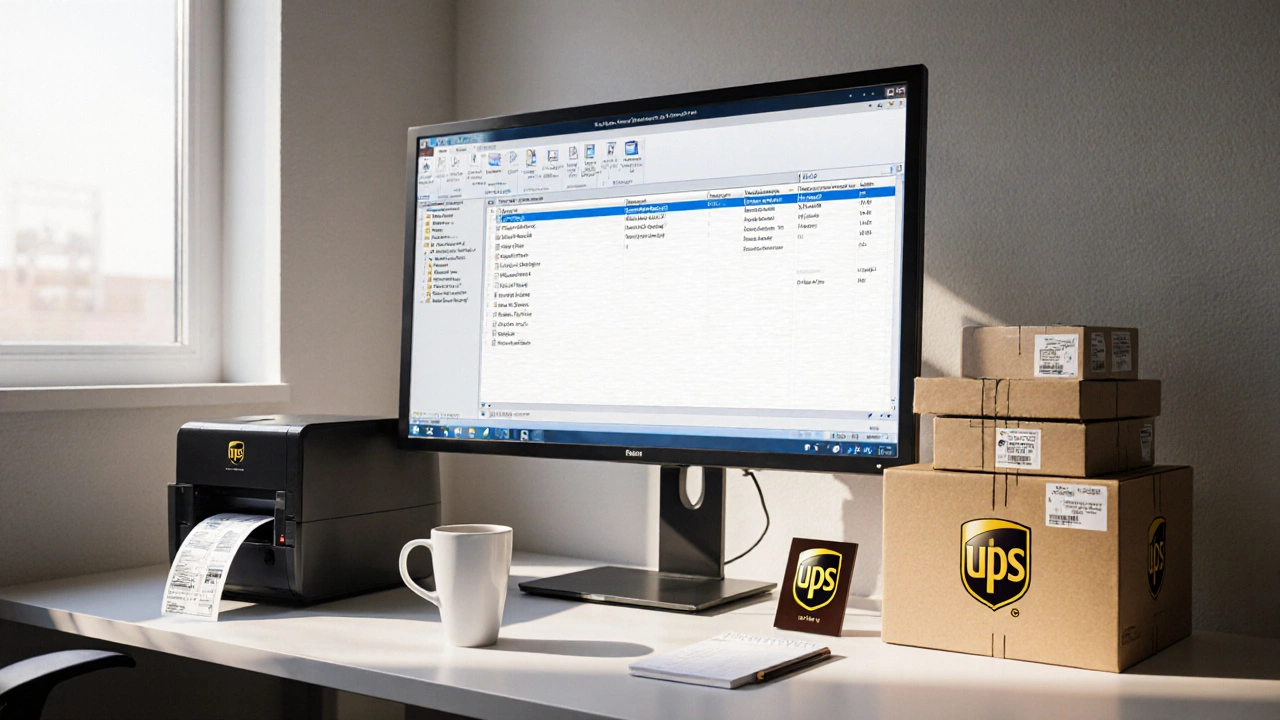
Discover what UPS WorldShip is, its core features, pricing, setup steps, and how it compares to other shipping software for high‑volume UPS shippers.
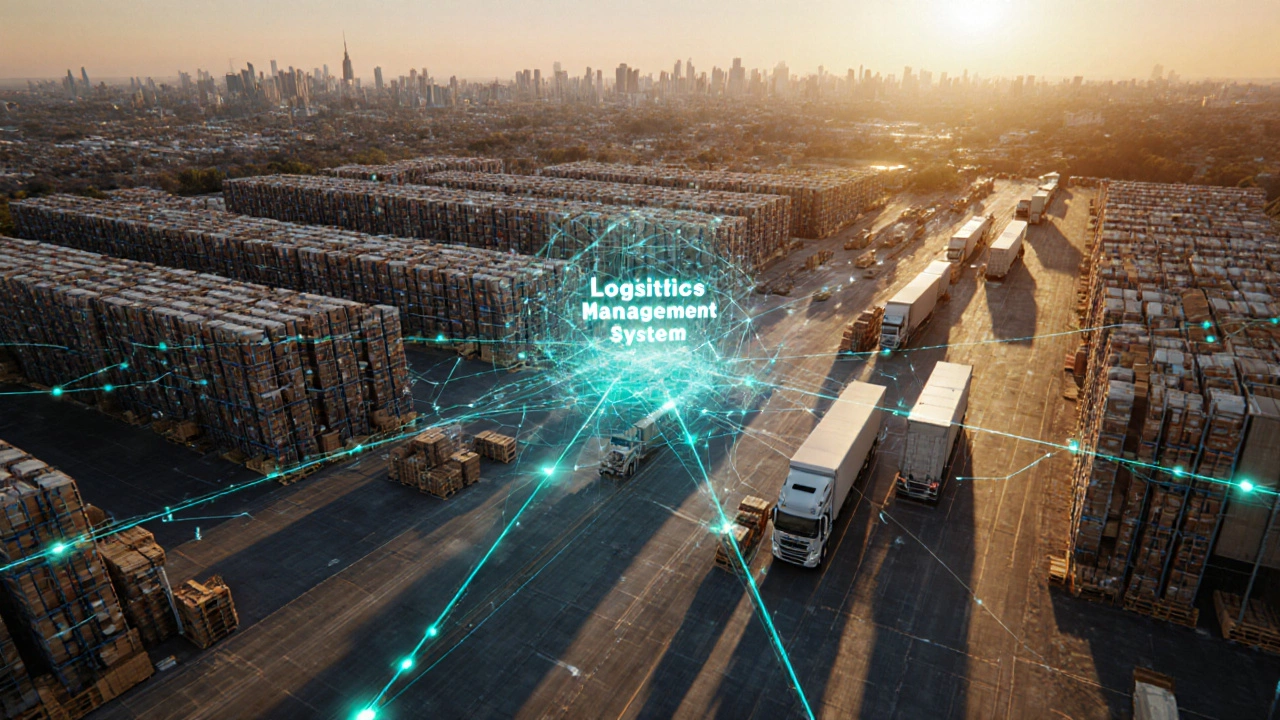
Learn what a logistics management system is, its core features, benefits, implementation steps, and how to pick the right solution for your business.
Breakdown of the top companies offering warehouse management systems, with an honest look at features, real-world usability, and tips for choosing the right WMS for any business size.
Unpacking which software is actually used in supply chain can save businesses a ton of wasted effort and money. This guide breaks down the real-world tools, from classic big-name suites to the latest smart platforms. If you've wandered through lists of acronyms like WMS, TMS, or ERP and felt lost, you're about to get clarity. The article shares what each software type actually does, how they overlap, and what to look for when picking a system. Expect actionable tips and a peek into where supply chain software is headed next.
Looking for logistics software but not sure what it costs? This article breaks down exactly where your money goes, why some tools are pricier than others, and what to watch out for in the fine print. Get to know what features can change the final price tag and how your business size affects expenses. You’ll also discover real-world tips to keep your budget under control while finding software that actually delivers. Make smarter buying decisions after reading—no more sticker shock.
SAP in logistics is a game-changer for companies aiming to streamline their supply chain operations. This article delves into how SAP software provides solutions that enhance efficiency, track shipments, and manage inventory in real-time. Insights include the challenges faced when implementing SAP, practical tips for maximizing its use, and the potential benefits for logistics operations. Discover why many top companies are turning to SAP logistics solutions.