Ecommerce Logistics: How to Ship Online Orders Fast and Cheap

If you run an online store, getting products from your shelf to a customer’s door is the heart of your business. Good ecommerce logistics means happy buyers, repeat sales, and more profit. Below you’ll find the basics you need to master and a few quick tricks to make your shipping smoother.

Key Elements of Ecommerce Logistics

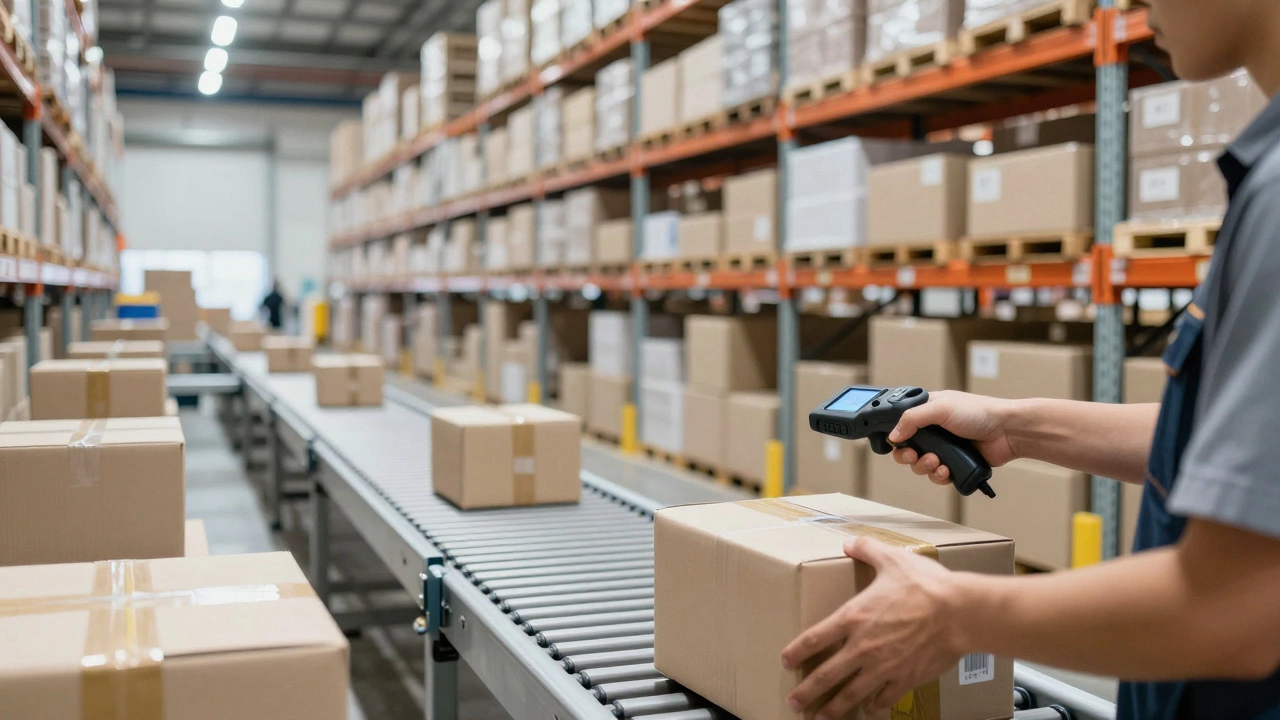
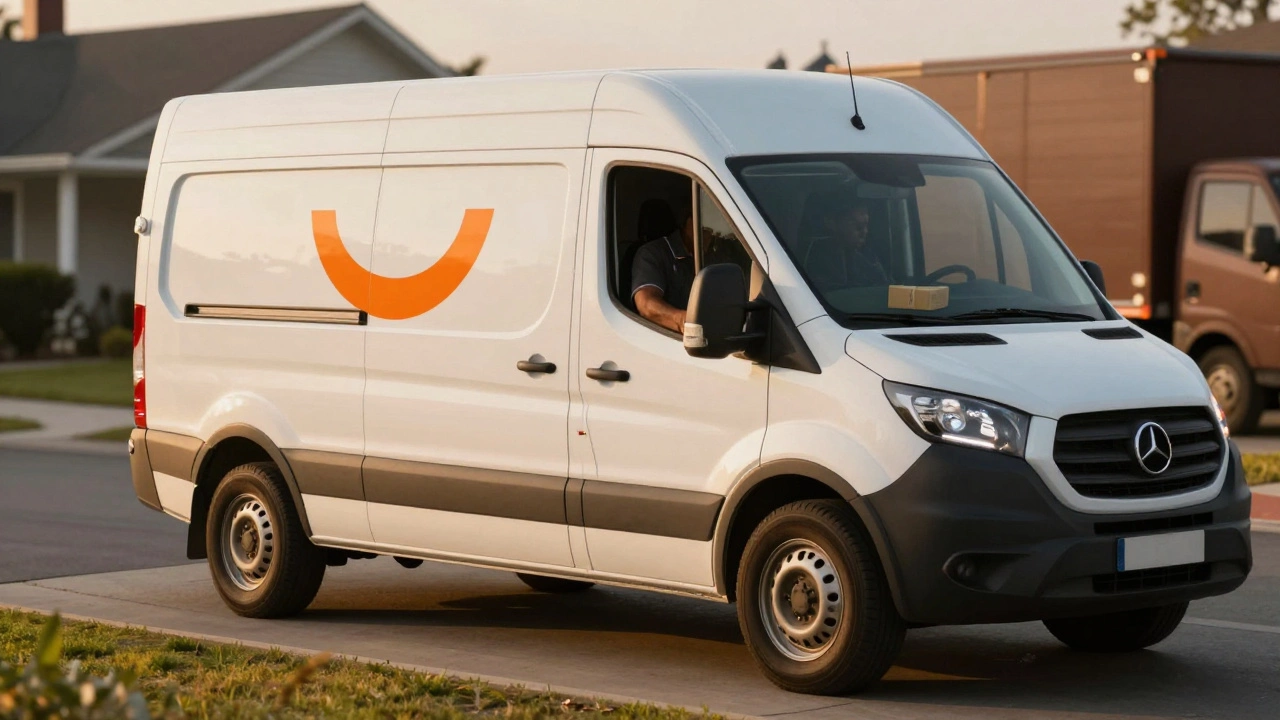
First, think of the supply chain as four simple steps: sourcing, warehousing, transportation, and last‑mile delivery. Sourcing is where you buy or make the products. Warehousing isn’t just a storage room; it’s where you organize SKUs, pack orders, and keep inventory accurate. Transportation covers the move from warehouse to a regional hub or directly to the customer. Finally, last‑mile delivery is the actual hand‑off at a doorstep.

Each step has its own cost drivers. For example, a poorly arranged warehouse can add minutes to every pick, which adds up to hours each day. Likewise, choosing a carrier based only on price can lead to delayed shipments and angry customers. The sweet spot is balancing cost with speed and reliability.

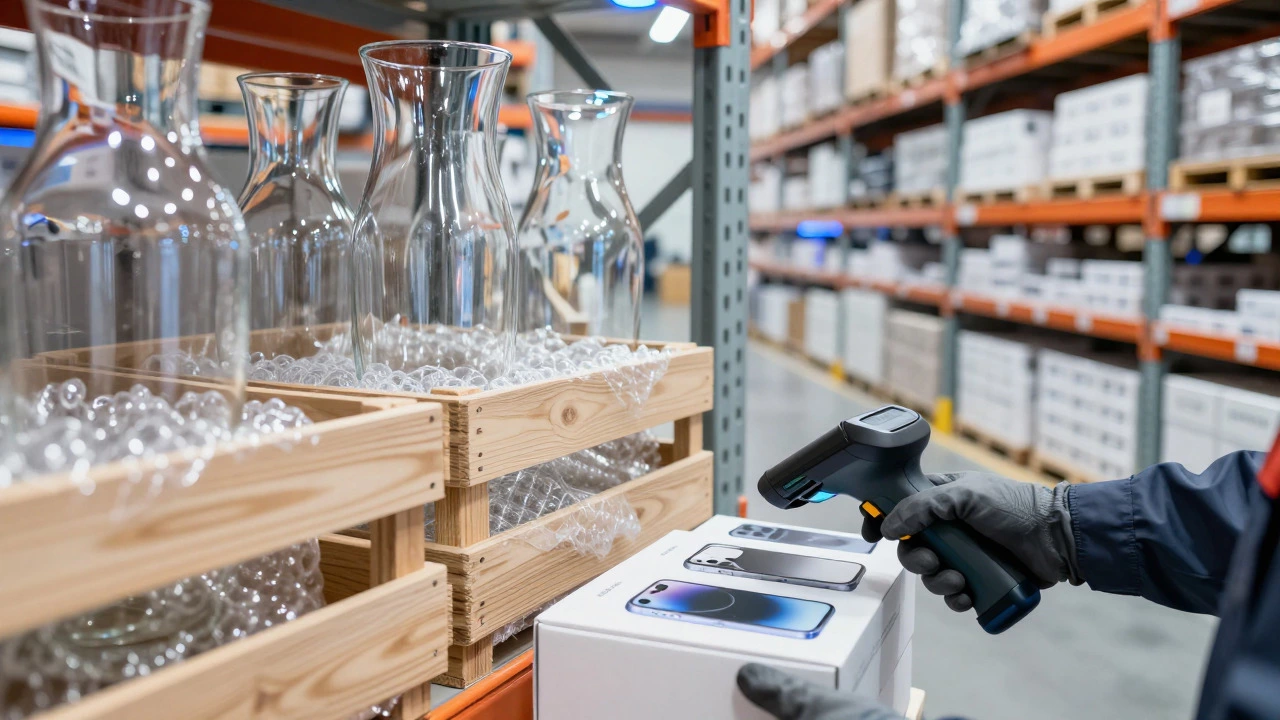
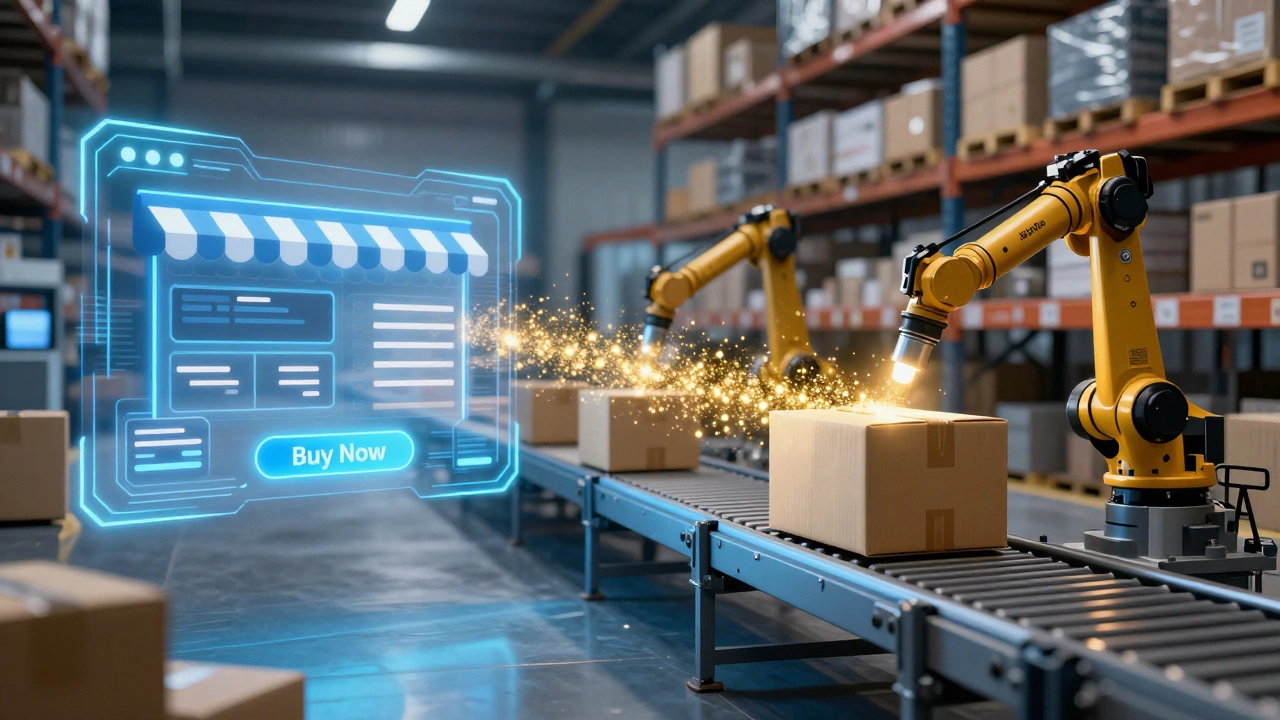
Technology plays a huge role. Simple tools like barcode scanners and inventory management software keep stock counts real‑time, reducing stock‑outs. More advanced platforms sync orders from multiple sales channels (Shopify, Amazon, etc.) into one dashboard, so you never miss a pack‑and‑ship cue.

How to Boost Your Online Shipping Efficiency

Start with data. Look at your order volume, average order weight, and shipping destinations. If most orders go to the same city, consider a micro‑fulfilment centre nearby. This cuts transit time and often reduces carrier rates.

Second, standardize packaging. Using a few box sizes that fit most products means you can pre‑measure and pre‑pay carrier rates, avoiding surprise surcharges. It also speeds up the packing line because workers know exactly which box to grab.

Third, negotiate with carriers. Most small businesses accept the list price, but if you can show a steady shipping volume, carriers will give you a discount. Even a 5% rate cut can turn into a big margin boost over time.

Fourth, offer multiple shipping options at checkout. Some shoppers want the cheapest rate and are willing to wait; others need same‑day delivery. By displaying both, you increase conversion and let customers self‑select the cost‑speed balance they prefer.

Finally, keep customers informed. Automatic tracking emails, real‑time status updates, and clear return policies reduce support tickets. When buyers know exactly where their package is, they’re less likely to call you with questions.

Putting these pieces together creates a logistics system that feels effortless. You’ll see fewer delays, lower shipping costs, and higher customer satisfaction—all without hiring a big team.

Ready to upgrade your ecommerce logistics? Start with one change today—whether it’s organizing your warehouse, tweaking your packaging, or adding a tracking email. Small improvements add up, and before you know it, your shipping will become a competitive advantage rather than a headache.

What Is the Difference Between Amazon Delivery and Amazon Logistics?
By Elias March
What Is the Difference Between Amazon Delivery and Amazon Logistics?

Amazon delivery is the final step of getting your package to your door. Amazon logistics is the entire system behind it - warehouses, robots, planes, and software. Learn how they work together to make Prime shipping so fast.

What Are the Stages of E-Commerce Supply Chain? A Clear Breakdown
By Elias March
What Are the Stages of E-Commerce Supply Chain? A Clear Breakdown

Learn the seven key stages of the e-commerce supply chain-from forecasting demand to handling returns-and how each step impacts delivery speed, cost, and customer satisfaction.

What Are the Advantages of E-Commerce for Small Businesses and Shoppers?
By Elias March
What Are the Advantages of E-Commerce for Small Businesses and Shoppers?

E-commerce gives small businesses lower costs, 24/7 sales, global reach, and better customer data. It’s not just about selling online-it’s about smarter logistics, faster growth, and real competitive advantages.

Is E-Commerce the Same as Online Selling? Here's What Actually Matters
By Elias March
Is E-Commerce the Same as Online Selling? Here's What Actually Matters

E-commerce and online selling aren't the same-understanding the difference helps you choose the right tools, scale your business, and avoid costly mistakes in logistics and customer management.

Which is the USA's best popular e-commerce company for logistics?
By Elias March
Which is the USA's best popular e-commerce company for logistics?

Amazon leads in U.S. e-commerce logistics with its own delivery network, but Walmart and Shopify offer powerful alternatives for speed, cost, and small business scalability. Learn who really wins on delivery, returns, and fulfillment.

What Do You Call Someone Who Does E-Commerce? Job Titles Explained
By Elias March
What Do You Call Someone Who Does E-Commerce? Job Titles Explained

There's no single title for someone who does e-commerce. Learn the real job names like online seller, fulfillment specialist, and dropshipper-and which one fits your role.

Key Processes in E-Commerce Logistics You Can't Ignore
By Elias March
Key Processes in E-Commerce Logistics You Can't Ignore

Discover the seven essential processes behind successful e-commerce logistics-from order processing and inventory control to last-mile delivery and returns. Learn how to build a system that keeps customers happy and your costs low.

Is Amazon an e‑commerce platform? What you need to know
By Elias March
Is Amazon an e‑commerce platform? What you need to know

Discover why Amazon is more than just a retailer. Learn how its marketplace, fulfillment services, and logistics make it a true e‑commerce platform.

Amazon Logistics Startup Costs: How Much to Pay to Begin
By Elias March
Amazon Logistics Startup Costs: How Much to Pay to Begin

Learn the exact costs to launch an Amazon logistics operation, from vehicle leasing and insurance to warehouse rent and software fees, plus tips to cut expenses.

Is Amazon a 3PL or 4PL? Clear Answer, Examples, and 2025 Decision Guide
By Elias March
Is Amazon a 3PL or 4PL? Clear Answer, Examples, and 2025 Decision Guide

Quick, no-nonsense answer: Amazon acts like a 3PL (FBA/MCF). With Supply Chain by Amazon, it feels 4PL-ish-but not neutral. See when to pick which and what to watch out for.

E Logistics Explained: How Electronic Logistics Powers Fast Delivery and Smart Warehousing
By Elias March
E Logistics Explained: How Electronic Logistics Powers Fast Delivery and Smart Warehousing

Get the full scoop on how e logistics works behind the scenes to power rapid shipping, smart tracking, and warehouse automation. Discover latest facts and pro tips.

Are Amazon Pallets Real? The Truth Behind Amazon Return Pallets
By Elias March
Are Amazon Pallets Real? The Truth Behind Amazon Return Pallets

Uncover if Amazon pallets really exist, how Amazon returns are sold, and the surprising facts behind these mysterious liquidation deals. Learn how and where to buy them.