Shipping Made Simple: Pick the Right Carrier and Cut Costs
If you’ve ever felt lost staring at a list of carrier options, you’re not alone. Whether you’re sending a bike across town or a heavy box overseas, the right choice can save you time and cash. In this guide we’ll break down the most common services, point out hidden fees, and give you tools to decide in minutes—not hours.
Compare Major Carriers
UPS and USPS dominate the domestic market, but they aren’t twins. UPS tends to charge more for fast, door‑to‑door service, while USPS often wins on price for heavier parcels that don’t need next‑day speed. For example, a 30‑lb box shipped with UPS Ground might cost about $45, whereas USPS Retail Ground could be under $30. The trade‑off is tracking detail and pickup flexibility—UPS lets you schedule a pickup, USPS usually requires a drop‑off at the post office.
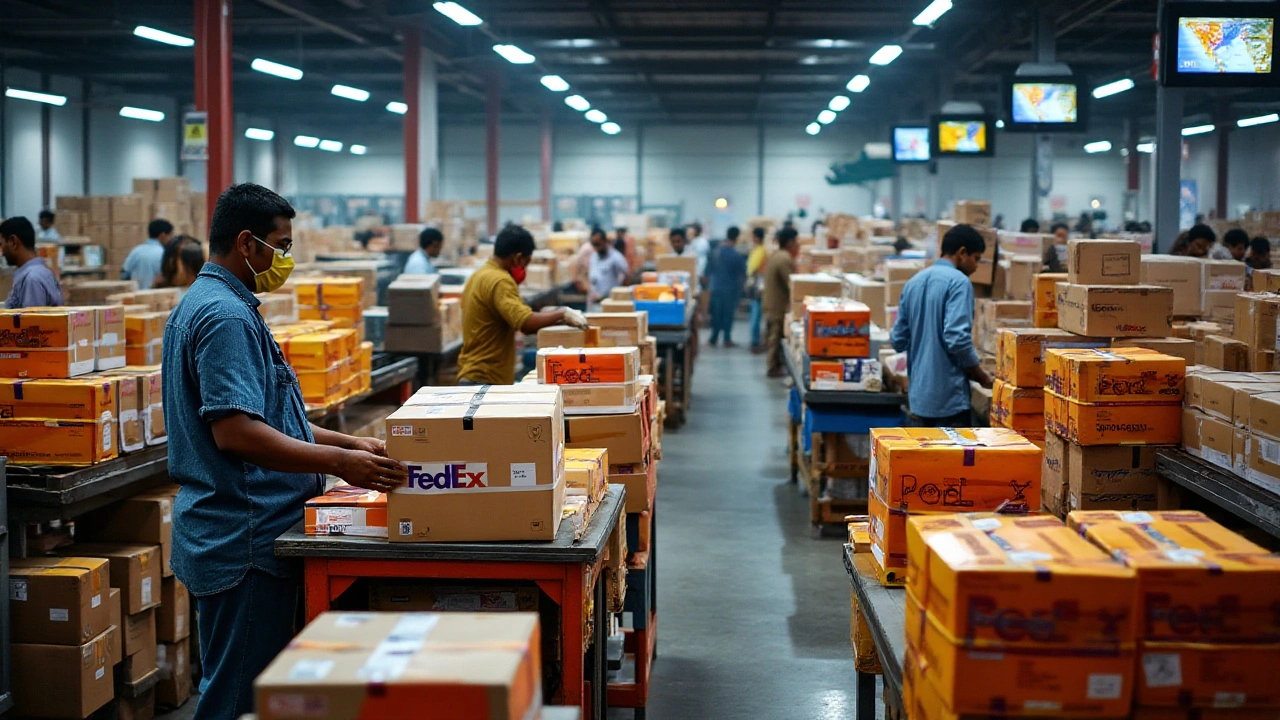
When it comes to overnight shipping, the names get confusing. UPS Next Day Air and UPS Overnight are similar but differ in delivery windows and pricing tiers. FedEx offers an equivalent FedEx Overnight, and DHL focuses on international express. If you need a package on the same day, look for services labeled ‘Same Day’ or ‘Next Flight Out.’ These are pricey, but they guarantee the fastest route.
Practical Tips to Save on Shipping
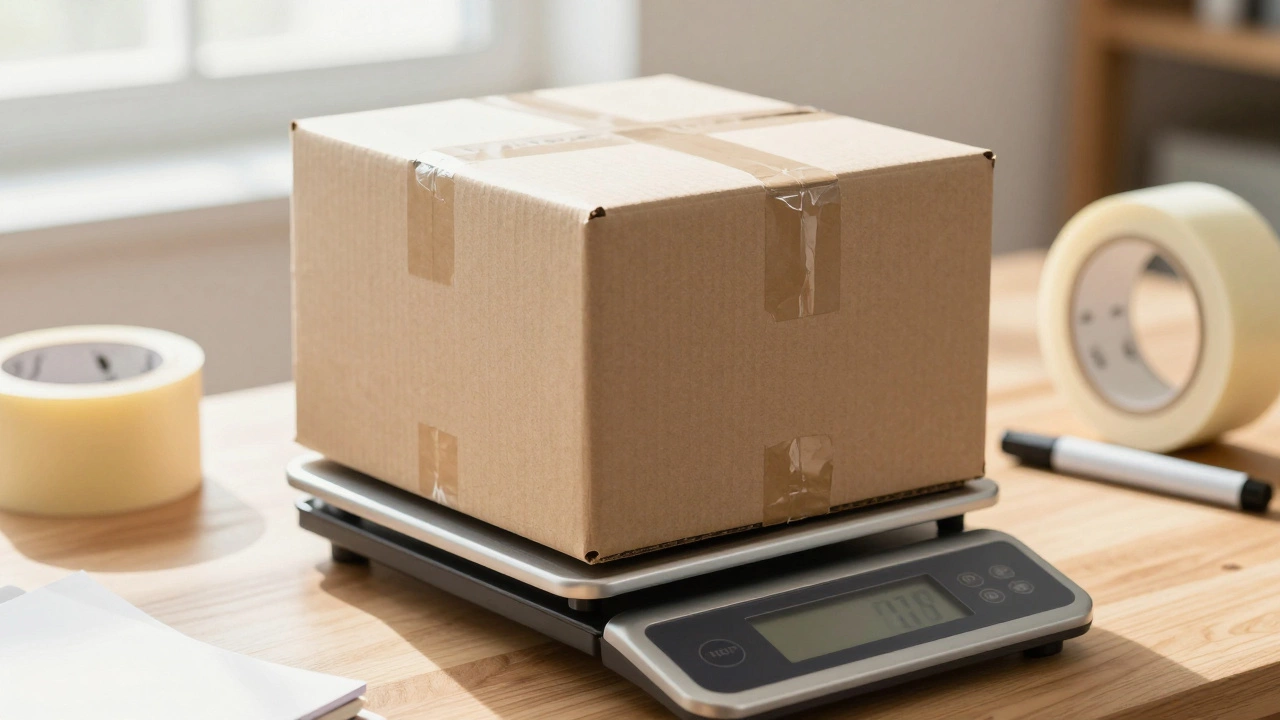
First, measure and weigh accurately. Carriers charge by dimension weight if the package is large but light, so a box full of bubble wrap can cost more than the actual weight suggests. Pack tightly, use the smallest box that fits, and remove excess filler.
Second, consider insurance wisely. USPS includes $100 of insurance at no extra cost, which is enough for most small items. For high‑value bikes or electronics, purchase additional coverage or use a carrier that offers third‑party insurance. Filing a claim is easier when you keep receipts and photos of the item before shipping.
Third, plan for the last‑mile. This is the final stretch from the carrier’s hub to the customer’s door and often adds the most surprise fees—like residential delivery surcharges or specific delivery time windows. If you can arrange a nearby pick‑up point or have the receiver collect from a local depot, you’ll cut those extra costs.
International shipping adds another layer. Sea freight remains the cheapest for bulky items, but it can take weeks. Air freight is faster but pricier; many businesses use a hybrid approach—air for urgent parts, sea for bulk stock. Check the destination country’s customs rules; some require a commercial invoice or specific packaging, and failing to comply can delay your shipment and add fines.Finally, use online rate calculators. All major carriers let you plug in weight, dimensions, and zip codes to get an instant quote. Compare three options side by side before you book. Many third‑party platforms also aggregate rates and can offer discounts that aren’t public on the carrier’s own site.
By keeping these points in mind—accurate measurements, smart insurance choices, last‑mile planning, and a quick rate check—you’ll turn a confusing shipping decision into a straightforward process. The right carrier is out there; you just need a clear checklist to find it.