Warehouse Solutions Guide: Types, Tech & Careers to Supercharge Your Operations

Running a warehouse feels like juggling boxes, people, and deadlines at once. The good news? You don’t have to guess which tools or layouts work best. In the next few minutes we’ll break down the main warehouse types, the tech that makes them tick, and the jobs that pay the most.

What are the main warehouse types?

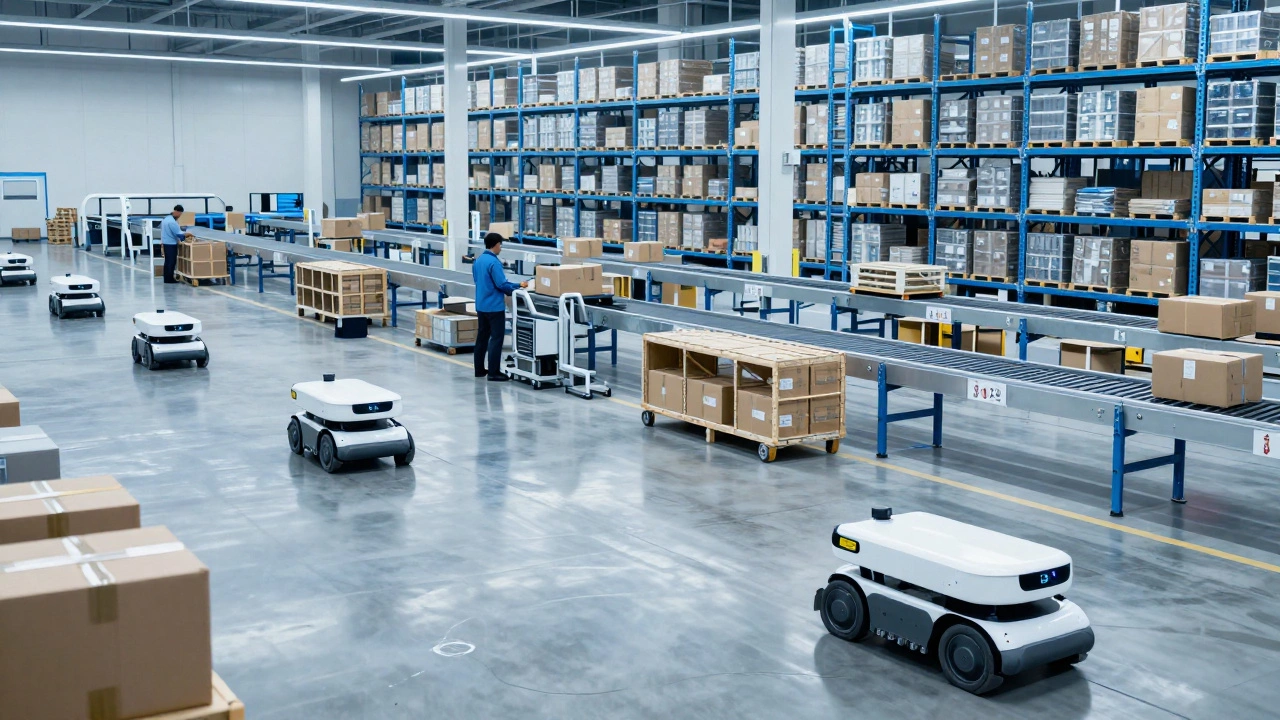
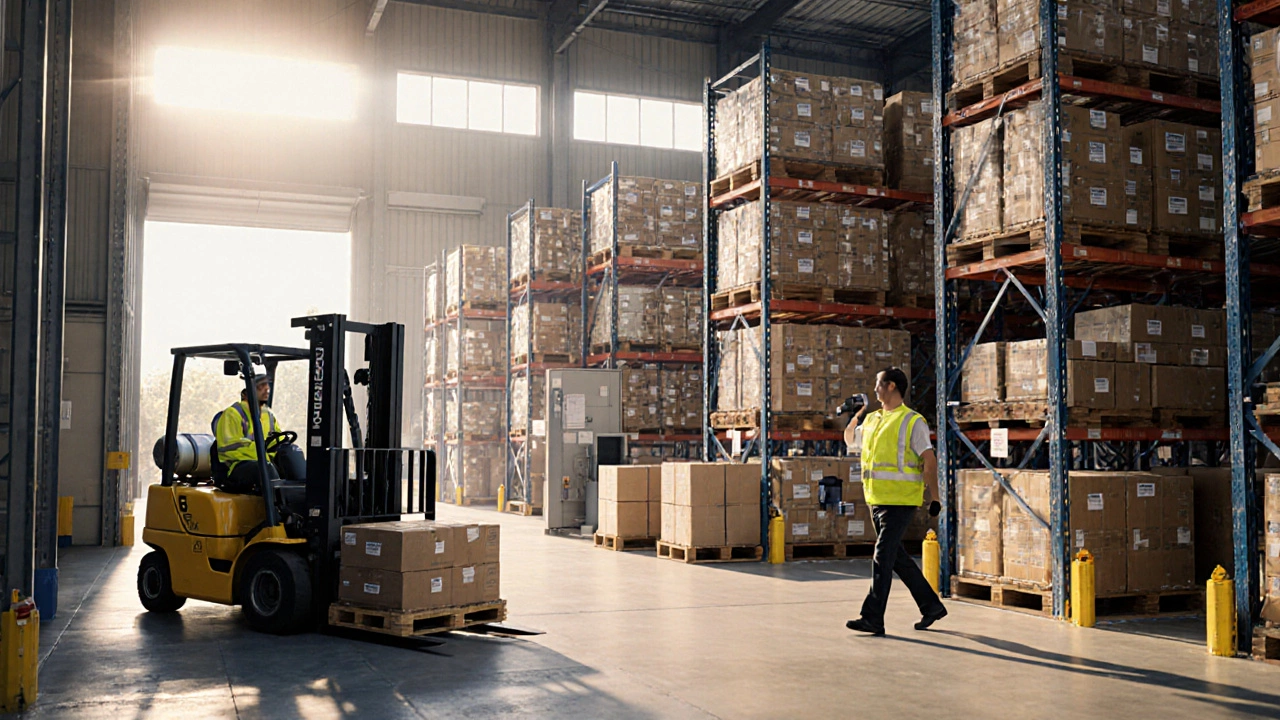
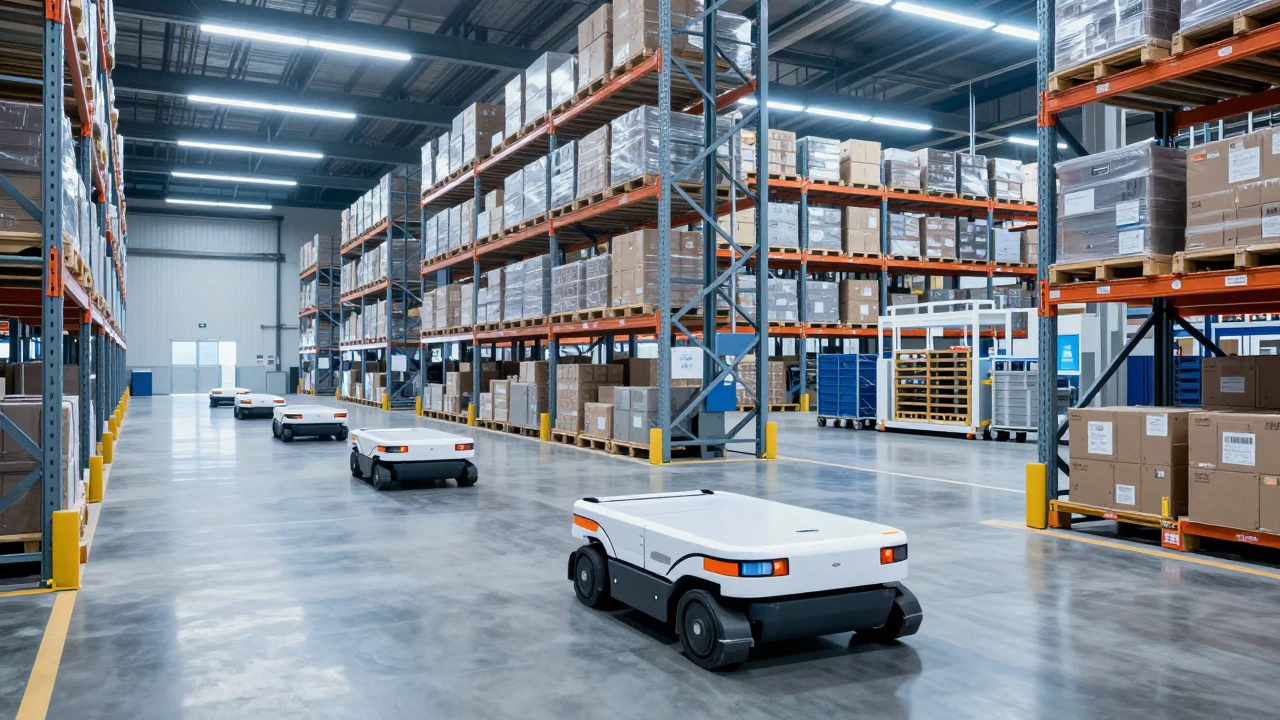
First up, storage warehouses. Think of them as giant closets – they keep inventory safe until you need it. You’ll usually see long aisles, pallet racks, and simple inventory tags. Next, distribution centers. These are the sprinting stations of the supply chain: goods arrive, get sorted, and ship out fast. They need dock doors, conveyor belts, and a solid loading plan. Finally, fulfillment centers. If you’ve ever ordered something online and it showed up in a day, a fulfillment center handled it. They combine picking, packaging, and last‑mile prep, often using robots or pick‑to‑light systems.

Choosing the right type depends on your product flow. Store bulk raw material? Go storage. Need fast regional delivery? Distribution wins. Selling directly to customers? Fulfillment centers are your friend.

Tech and tools that boost warehouse performance

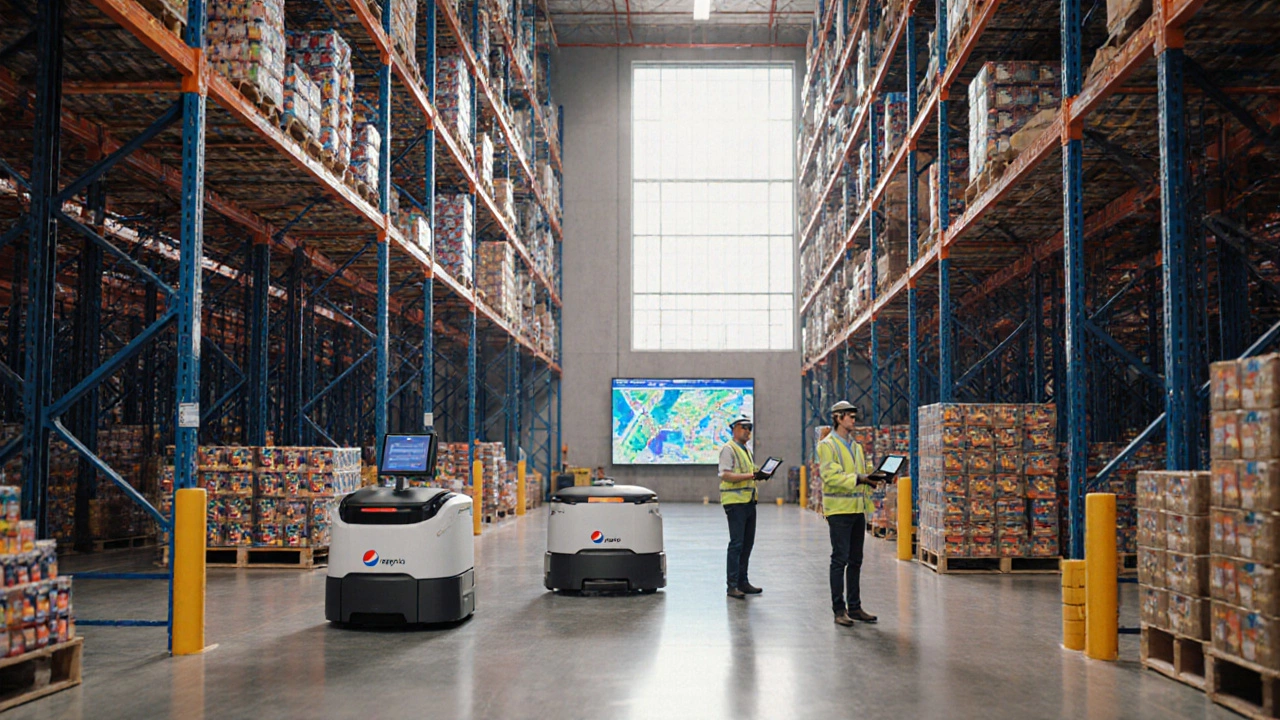
Now, let’s talk tech. A Warehouse Management System (WMS) is the brain behind every move. It tracks where each pallet lives, tells workers the next pick, and flags errors before they happen. There are four common WMS styles: basic inventory, order‑centric, labor‑focused, and AI‑driven. Pick the one that matches your size and budget.

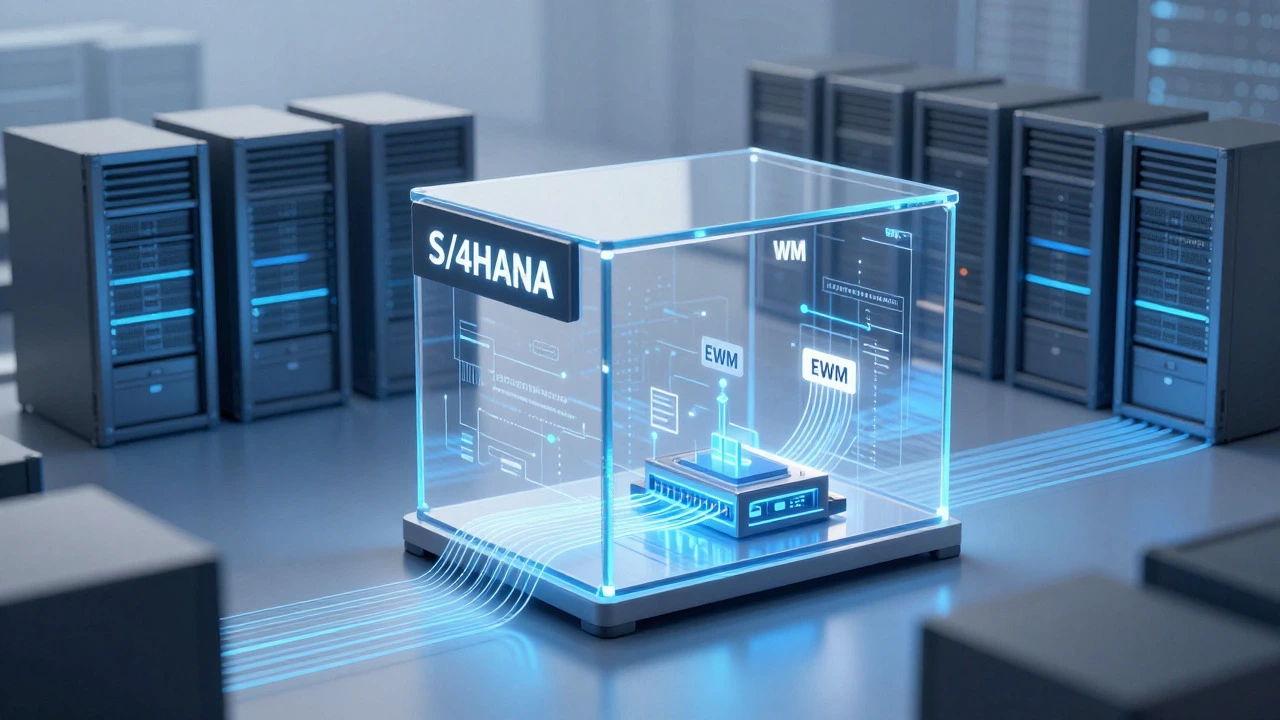
SAP is the heavyweight champion for big enterprises. It handles everything from procurement to shipment, but you’ll need training – the learning curve feels steep at first. Don’t worry, most providers offer short courses that turn the jargon into plain steps.

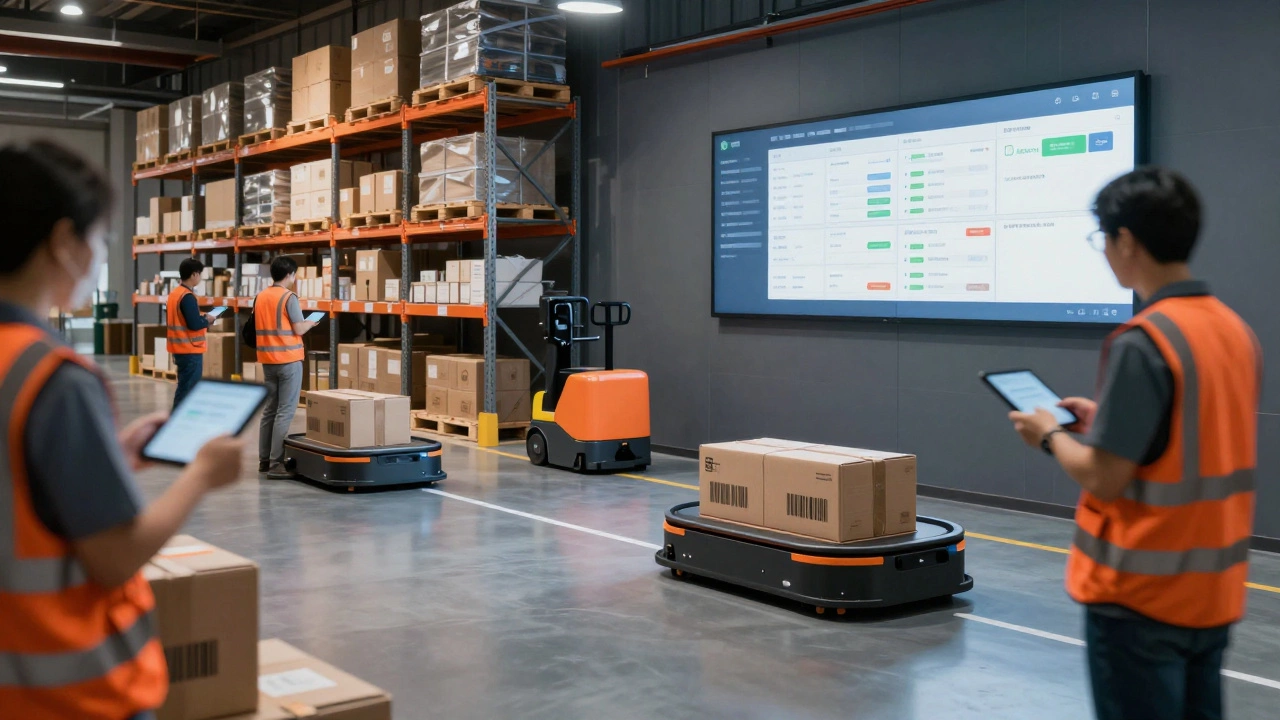
Automation is no longer futuristic. Simple barcode scanners, RFID tags, and voice‑directed picking can slash errors by 30 % or more. If you have the cash, robotic arms and automated guided vehicles (AGVs) keep aisles clear and speed up heavy lifting.

Don’t forget labor management. A Labor Management System (LMS) pairs with your WMS to schedule shifts, track productivity, and reward high performers. The right combo can boost throughput without hiring extra hands.

All this tech sounds pricey, but many vendors offer cloud‑based plans that start low and scale with you. Start with a basic WMS, add SAP modules as you grow, and sprinkle in automation where you see bottlenecks.

Now for the people side. Curious about pay? Warehouse managers often top the salary chart, especially in high‑traffic distribution hubs. They oversee staff, budgets, and performance metrics, earning 20‑30 % more than line workers. Specialized roles—like SAP consultants or robotics technicians—can also command six‑figure packages.

If you’re eyeing a warehouse job, focus on learning barcode systems, basic data entry, and safety protocols. Certifications in forklift operation or SAP basics add instant value. Companies love candidates who can hit the ground running.

Quick checklist for a smoother warehouse setup:

  • Identify your primary warehouse type (storage, distribution, fulfillment).
  • Pick a WMS that matches your operation size.
  • Consider SAP if you need enterprise‑level integration.
  • Start automation with low‑cost tools—scanners, RFID, voice pick.
  • Invest in LMS to keep labor costs in check.

By mapping out the right type, plugging in the right tech, and rewarding the right people, you’ll see faster shipments, lower errors, and happier customers. That’s the real power of solid warehouse solutions.
What is SAP Called Now? Understanding SAP EWM and S/4HANA in Warehouse Solutions
By Elias March
What is SAP Called Now? Understanding SAP EWM and S/4HANA in Warehouse Solutions

SAP hasn't changed its name, but its warehouse software has. Learn how SAP WM evolved into SAP EWM within S/4HANA, featuring real-time processing, AI integration, and cloud deployment options for modern logistics.

Which System Is Used in a Warehouse? WMS, WCS, and ERP Explained
By Elias March
Which System Is Used in a Warehouse? WMS, WCS, and ERP Explained

Discover which systems power modern warehouses. Learn the roles of WMS, ERP, and WCS, how they integrate with hardware, and how to choose the right tech stack for your logistics operations.

What Is Bigger Than a Warehouse? Distribution Centers, Fulfillment Hubs, and Logistics Parks Explained
By Elias March
What Is Bigger Than a Warehouse? Distribution Centers, Fulfillment Hubs, and Logistics Parks Explained

Discover what is bigger than a warehouse. Learn about distribution centers, fulfillment hubs, and logistics parks, and how they transform modern supply chains.

Where Does Coca-Cola Get Their Raw Materials From: A Supply Chain Guide
By Elias March
Where Does Coca-Cola Get Their Raw Materials From: A Supply Chain Guide

Explore the complex supply chain behind Coca-Cola's raw materials. Learn about sourcing strategies, warehouse handling, and sustainability efforts in beverage logistics.

What Software Is Used in a Warehouse? Top Systems for Modern Warehousing
By Elias March
What Software Is Used in a Warehouse? Top Systems for Modern Warehousing

Modern warehouses rely on software like WMS, inventory tracking, and automation tools to cut errors, save time, and reduce costs. Learn which systems are essential and how they work together.

Who Uses WMS? Real Users of Warehouse Management Systems
By Elias March
Who Uses WMS? Real Users of Warehouse Management Systems

WMS is used by 3PLs, ecommerce brands, manufacturers, pharmacies, food distributors, and retailers - not just big corporations. If your warehouse moves more than 50 items a day, you’re likely already using one - or should be.

What Is the Future Technology for Warehouse Operations?
By Elias March
What Is the Future Technology for Warehouse Operations?

The future of warehouse technology includes robotics, AI, computer vision, and digital twins - all working together to make fulfillment faster, more accurate, and cost-efficient. Discover what’s changing now and what’s coming next.

SAP Warehouse Management: Does SAP Offer WMS Solutions?
By Elias March
SAP Warehouse Management: Does SAP Offer WMS Solutions?

Explore whether SAP offers warehouse management, compare classic WM with SAP EWM, and learn features, deployment options, and how to choose the right solution for your warehouse.

Which Warehouse Management System Does PepsiCo Use?
By Elias March
Which Warehouse Management System Does PepsiCo Use?

Discover which Warehouse Management System PepsiCo uses, why it was chosen, key features, integration details, and how to evaluate a WMS for large enterprises.

What Is the Average Warehouse Rent in the US? 2025 Guide
By Elias March
What Is the Average Warehouse Rent in the US? 2025 Guide

Discover the 2025 average US warehouse rent, regional price differences, key cost drivers, and tips for securing the best lease.

Major Warehouse Types Explained: Storage, Distribution, and Fulfillment Centers in Logistics
By Elias March
Major Warehouse Types Explained: Storage, Distribution, and Fulfillment Centers in Logistics

Discover the three main types of warehouses—storage, distribution, and fulfillment centers. Learn how each plays a crucial role in modern logistics and efficient supply chains.

Highest Salary in a Warehouse: Who Gets Paid the Most?
By Elias March
Highest Salary in a Warehouse: Who Gets Paid the Most?

Warehouse jobs aren't just about packing and picking—some roles pay big bucks and come with serious responsibility. This article breaks down who actually earns the highest salary in a warehouse and what it takes to get there. We'll look at specific job titles, the skills you need, industry secrets, and some surprising perks that come with top positions. Whether you're working on the floor or thinking bigger, it's all here in simple terms. Stick around for tips to level-up your own warehouse paycheck.