Logistics 4 P's Impact Simulator
Step 1: Select a Scenario
Click on any of the 4 P's to see its operational impact.
Step 2: Analyze the Ripple Effect
| Logistics Metric | Impact Level | Operational Consequence |
|---|
Most people think logistics is just about trucks and warehouses. But if you run an online store or manage a supply chain, you know it’s actually a delicate dance of four critical elements. Get one wrong, and your customers get late packages, empty shelves, or bloated costs. These are the 4 P's of logistics: Product, Place, Price, and Promotion. While these terms sound like marketing jargon, in the world of fulfillment, they dictate how goods move from a supplier to a buyer's doorstep.
Understanding these four pillars helps you stop guessing and start optimizing. Whether you are scaling a small Shopify store or managing enterprise-level distribution, aligning these factors ensures that your operations support your business goals rather than dragging them down. Let’s break down what each P means in a practical, operational context.
Product: More Than Just the Item Itself
In logistics, "Product" isn't just the SKU on your website. It refers to the physical characteristics of the item that determine how it moves through the supply chain. Two products with the same retail price can have vastly different logistical footprints. A flat-screen TV is heavy, fragile, and bulky, requiring careful packaging and potentially special freight handling. A smartphone case is lightweight, durable, and easy to stack. Knowing these differences is the first step in efficient planning.
You need to categorize your inventory based on attributes like weight, dimensions, fragility, and shelf life. This data drives everything from warehouse layout to carrier selection. For example, high-value, low-volume items might justify expensive express shipping, while low-value, high-volume items require cost-efficient bulk transport. If you don’t map out these product attributes clearly, you’ll end up overpaying for shipping or underestimating storage needs.
| Attribute | Bulky Goods (e.g., Furniture) | Small Parcels (e.g., Electronics) | Perishables (e.g., Food) |
|---|---|---|---|
| Storage Density | Low (requires floor space) | High (stackable) | Medium (cold chain constraints) |
| Shipping Cost Driver | Volumetric Weight | Actual Weight/Zone | Speed/Cold Chain |
| Packaging Complexity | High (crating/palletizing) | Low (boxes/mailers) | Medium (insulation/seals) |
| Risk Factor | Damage during handling | Theft/Loss | Spoilage/Temperature |
Place: Where Your Inventory Lives Matters
"Place" in logistics refers to location strategy. This includes where your warehouses are located, which carriers you use, and ultimately, where your customers are. The goal is to minimize the distance between your stock and your buyers. If 80% of your sales come from North America but all your inventory sits in Asia, your shipping times and costs will suffer significantly.
Modern e-commerce relies heavily on distributed inventory. Instead of one massive central warehouse, many brands use multiple regional hubs or even third-party logistics (3PL) providers near major population centers. This reduces transit days from seven to two. However, spreading out inventory increases complexity. You need sophisticated software to track stock levels across multiple locations in real-time. If a customer orders an item that is out of stock in the nearest hub, your system should automatically redirect the order to the next closest location without delay.
Price: The Hidden Cost of Movement
When we talk about Price in logistics, we aren't usually setting the retail tag. We are talking about the landed cost of the product. This includes manufacturing, inbound freight, duties, warehousing fees, and outbound shipping. Many businesses focus only on the final shipping label cost, ignoring the hidden expenses that eat into margins.
For instance, choosing a faster carrier might save you money on returns because customers are happier, but it increases your per-unit shipping cost. Conversely, using a slower, cheaper carrier might lower immediate costs but increase return rates due to impatience. The "right" price point for logistics is the balance where total cost of ownership is minimized while maintaining acceptable service levels. You must calculate the full cost per order, not just the postage, to make informed decisions.
Promotion: Managing Expectations Through Information
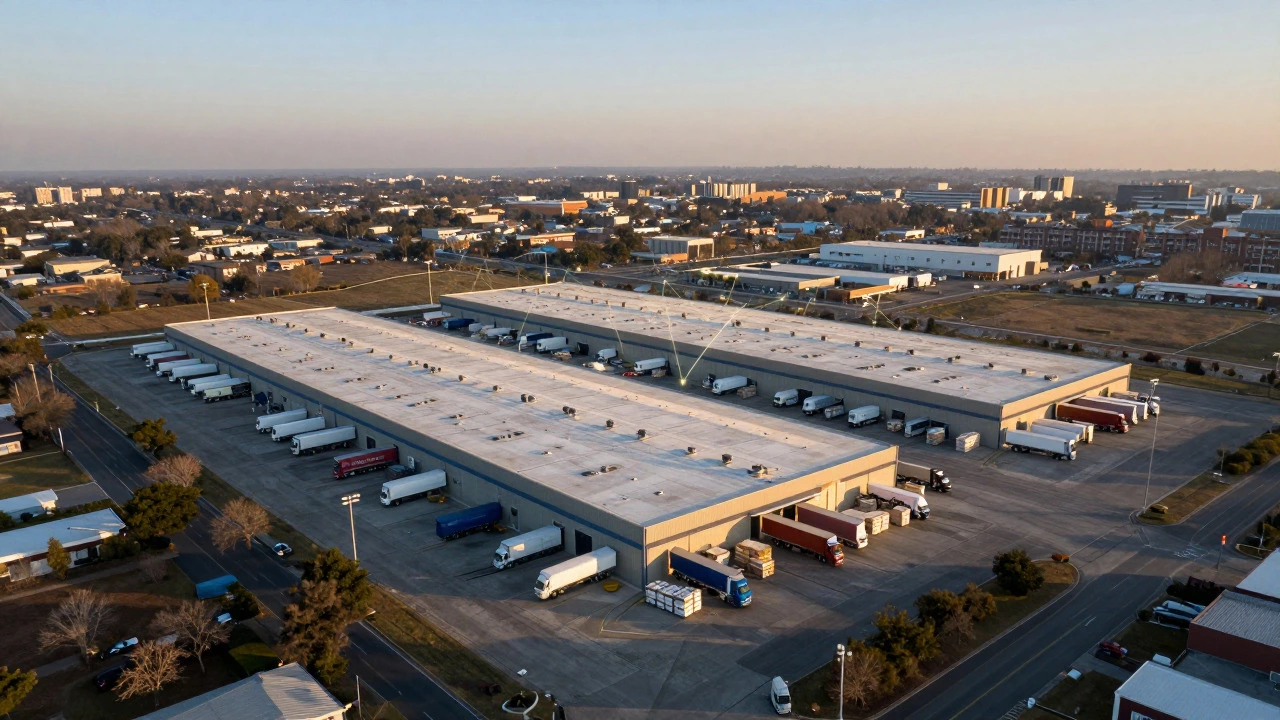
This is often the most overlooked P. In logistics, Promotion is really about communication and visibility. How do you tell your customer where their package is? Do you offer tracking updates? Are your shipping estimates accurate? Poor communication leads to "where is my order?" tickets, which are incredibly expensive to handle manually.
Effective promotional logistics involves setting realistic expectations upfront. If you promise delivery in 5-7 days, ensure your network can consistently hit that target. Use automated email notifications to keep customers informed at every stage: order confirmation, shipment dispatch, out for delivery, and delivered. Transparency builds trust. When customers feel informed, they are less likely to leave negative reviews or request refunds for minor delays.
How the 4 P's Interact in Real Scenarios
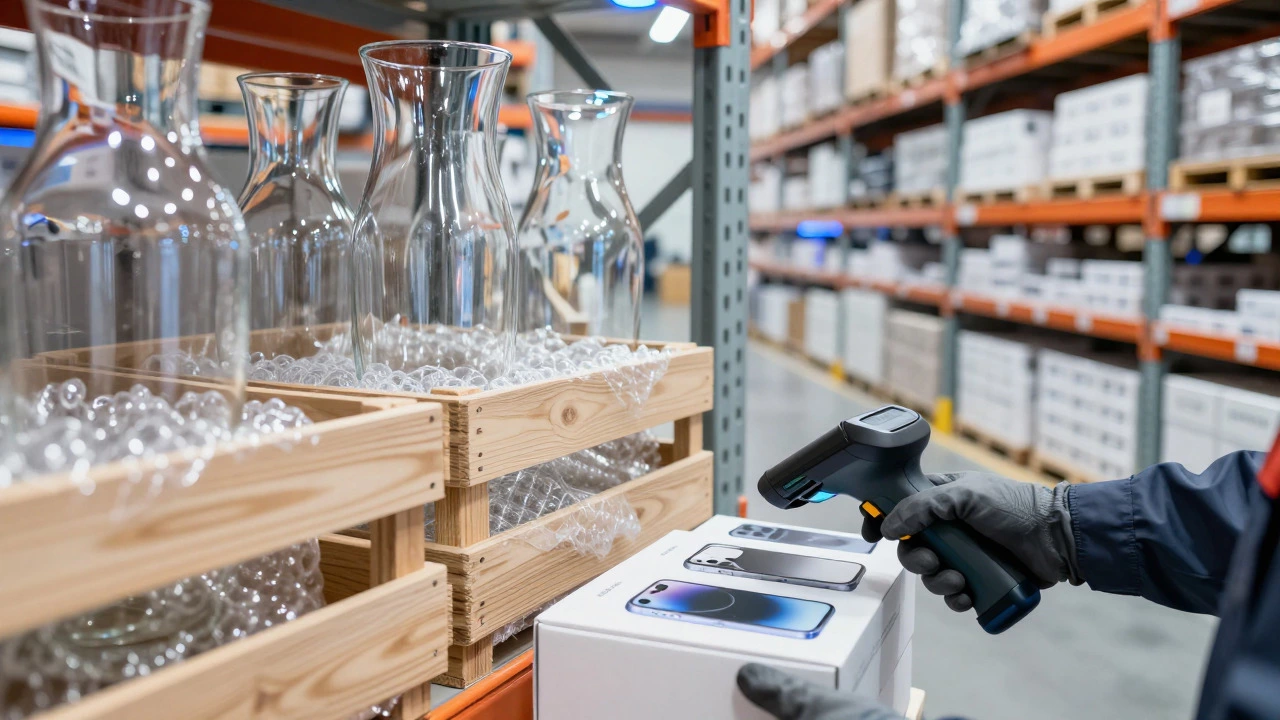
These four elements don't exist in isolation. Change one, and you impact the others. Consider a scenario where you launch a new line of heavy, glass vases (Product). Because they are fragile and heavy, your packaging costs rise (Price). To protect them, you might switch to a specialized carrier that handles glassware carefully (Place/Carrier Choice). Finally, you must update your website to reflect longer shipping times due to the specialized handling required (Promotion).
If you ignore this interplay, you might ship the vases via standard ground transport to save money. They arrive broken. You pay for replacement shipping, lose the sale, and damage your brand reputation. The initial savings on shipping were wiped out by the failure to align the other three P's.
Common Pitfalls to Avoid
- Ignoring Volumetric Weight: Shipping light but large items can cost more than heavy small ones. Always check dimensional weight pricing from carriers.
- Single-Source Dependency: Relying on one warehouse or one carrier creates bottlenecks. Diversify your logistics partners to mitigate risk.
- Static Data: Customer buying patterns change. Review your inventory placement quarterly to ensure your "Place" strategy still matches your demand map.
- Hidden Fees: Watch out for fuel surcharges, residential delivery fees, and remote area surcharges. These can add 10-20% to your base shipping rate.
Optimizing Your Strategy
To improve your logistics performance, start by auditing your current setup against the 4 P's.
- Analyze Product Data: Categorize your top 20 SKUs by weight, size, and fragility. Identify which ones are driving the highest shipping costs.
- Map Your Locations: Plot your warehouse locations against your customer density. Are you serving distant customers from far-away hubs?
- Recalculate Costs: Build a model that includes all hidden fees. Compare your current carrier mix against alternatives.
- Enhance Communication: Implement real-time tracking integration on your storefront. Reduce manual support tickets by automating status updates.
Are the 4 P's of logistics the same as the 4 P's of marketing?
They share the same names-Product, Place, Price, and Promotion-but the focus differs. In marketing, these are levers to drive sales. In logistics, they are operational variables that determine efficiency, cost, and service level. For example, "Price" in logistics refers to the cost of moving the good, not the retail price charged to the customer.
Which of the 4 P's is the most expensive to fix once implemented?
Place (Location) is typically the most expensive to change. Moving a warehouse involves leasing new space, relocating inventory, updating IT systems, and retraining staff. Changing carriers (part of Place/Service) or adjusting promotion tactics is much easier and cheaper to modify.
How does Product type affect shipping cost?
Product attributes like weight, dimensions, and fragility directly impact cost. Carriers charge based on either actual weight or volumetric weight (whichever is greater). Fragile items may require premium packaging or specialized carriers, increasing the per-unit cost compared to standard, durable goods.
What role does technology play in the 4 P's?
Technology enables optimization across all four P's. Warehouse Management Systems (WMS) optimize Product storage. Transportation Management Systems (TMS) optimize Place and routing. Dynamic pricing tools help manage Price. And customer portals enhance Promotion through transparency and communication.
Can small e-commerce businesses apply the 4 P's framework?
Yes, it is highly applicable. Even if you fulfill from a garage, you need to consider your Product's packaging needs, the best local carrier (Place), the true cost of shipping (Price), and how you communicate tracking info (Promotion). The framework scales from small to enterprise levels.