Logistics Career Salary Estimator
Calculate your potential salary in the Canadian logistics industry based on your experience level and role type. Data based on current market trends and article research.
Ever wonder what it actually looks like to build a career in logistics? It’s not just driving trucks or stacking boxes in a warehouse - though those roles exist. Logistics is the invisible engine behind everything you order online, every grocery store shelf, and every medical supply that reaches a hospital. And the people who make it happen? They’re not just workers. They’re problem solvers, planners, and coordinators working across continents, systems, and teams.
How Logistics Careers Actually Work
Most people think logistics is one job. It’s not. It’s a whole ladder of roles, each with different skills, pay, and growth paths. You can start as a warehouse picker and end up managing global freight networks. Or begin as a dispatcher and move into software-driven supply chain optimization. The path isn’t always linear, but it’s always growing.
In Canada, logistics jobs grew by 14% between 2020 and 2024, according to Statistics Canada. That’s faster than most industries. Why? E-commerce exploded, supply chains got more complex, and companies realized they can’t afford to cut corners on getting things where they need to go. That means more openings - and more chances to climb.
Where You Can Start: Entry-Level Roles
If you’re new to the field, here are the most common starting points:
- Warehouse Associate: Load, unload, scan, and organize inventory. No degree needed. Pay starts around $18-$22/hour in Ontario.
- Delivery Driver: Local routes with companies like Purolator, FedEx Ground, or regional couriers. Requires a valid G-class license and clean driving record.
- Logistics Coordinator (Junior): Handle paperwork, track shipments, update systems. Often requires basic computer skills and attention to detail.
- Inventory Clerk: Count stock, reconcile discrepancies, use barcode scanners. Common in retail distribution centers.
These jobs don’t require a college degree - but they do require reliability. Show up on time, follow procedures, and learn the systems, and you’ll quickly stand out. Many managers say the best hires started here.
Mid-Level Roles: Building Expertise
After 2-4 years, you can move into roles that involve more planning and decision-making:
- Logistics Supervisor: Manage a team of warehouse staff or drivers. You’ll handle scheduling, performance reviews, and safety compliance. Pay jumps to $55K-$75K/year.
- Transportation Planner: Optimize routes, negotiate with carriers, reduce fuel costs. You’ll use tools like SAP or Oracle Transportation Management.
- Inventory Analyst: Use data to predict stock needs, reduce overstock, prevent stockouts. Skills in Excel or Power BI help a lot.
- Procurement Specialist: Buy materials, negotiate with suppliers, manage contracts. Often works closely with manufacturing or retail companies.
At this level, certifications start to matter. A Certified Supply Chain Professional (CSCP) from APICS or a Certified Logistics Professional (CLP) from the Canadian Institute of Transportation and Logistics (CITL) can open doors. Many employers pay for these courses if you show initiative.
Advanced Roles: Leadership and Strategy
Once you’ve got 5+ years under your belt, you’re ready for roles that shape entire operations:
- Logistics Manager: Oversee all movement of goods for a region or division. You’ll report to senior leadership, manage budgets, and lead cross-functional teams. Salaries range from $80K-$120K.
- Supply Chain Director: Responsible for end-to-end flow - from raw materials to customer delivery. Often works with vendors, factories, customs, and IT systems. Pay starts at $120K+.
- Operations Director: Broader than logistics - includes manufacturing, warehousing, and distribution. Common in large manufacturers or retailers like Loblaws or Amazon Canada.
These roles often require a bachelor’s degree in supply chain, business, or industrial engineering. But experience still beats paper. Many directors started as warehouse workers and worked their way up.
Specialized Tracks Within Logistics
Not everyone wants to climb the management ladder. Some prefer to go deeper into technical or niche areas:
- International Trade Specialist: Handles customs documentation, tariffs, import/export regulations. Crucial for companies shipping between Canada, the U.S., and Asia.
- Warehouse Automation Technician: Installs and maintains robotic arms, conveyor belts, and automated storage systems. High demand as companies upgrade facilities.
- Logistics Software Analyst: Works with ERP or TMS platforms. Helps companies digitize workflows. Requires basic coding or data skills.
- Sustainability Coordinator: Focuses on reducing carbon footprints - optimizing routes, switching to electric fleets, cutting packaging waste.
These roles often pay more than general management positions because they’re harder to fill. For example, a warehouse automation tech in Toronto can earn $75K-$95K without a degree - just hands-on training and certifications.
Education and Certifications That Actually Help
You don’t need a four-year degree to start, but the right training speeds things up:
- Community College Diplomas: Programs like Humber College’s Supply Chain Management or George Brown’s Logistics & Distribution Management take 1-2 years and include co-op placements.
- APICS CSCP: The gold standard for supply chain pros. Costs around $1,200 CAD, but many employers reimburse it.
- Canadian Institute of Transportation and Logistics (CITL): Offers CLP and CCLP certifications with exams held across Canada.
- Microsoft Excel and Power BI: Free online courses on YouTube or LinkedIn Learning. These skills are non-negotiable for analyst roles.
Don’t waste money on vague online certificates. Stick to ones backed by industry bodies. Employers recognize them.
What Day-to-Day Work Actually Looks Like
Let’s say you’re a logistics coordinator at a Toronto-based distributor:
- 8:00 AM: Check overnight shipment delays from the U.S. border.
- 9:30 AM: Email three trucking companies to find a carrier for a rush order.
- 11:00 AM: Update the warehouse team on new inventory codes.
- 1:00 PM: Run a report showing which products are sitting too long in storage.
- 3:00 PM: Attend a 20-minute huddle with sales to explain why a customer’s delivery got pushed.
- 5:00 PM: File paperwork for customs clearance on a shipment heading to Montreal.
It’s not glamorous. But it’s essential. And every day is different. One week you’re troubleshooting a delayed shipment; the next, you’re designing a new warehouse layout with a software tool.

Pitfalls to Avoid
Not everyone makes it far in logistics. Here’s what trips people up:
- Thinking it’s just about moving stuff. It’s about data, timing, cost control, and risk management.
- Ignoring technology. Companies using manual spreadsheets are falling behind. Learn even basic automation tools.
- Staying in one role too long. If you’ve been a picker for five years without learning anything new, you’re not growing.
- Not asking for feedback. Logistics is a team sport. Ask your manager: “What do I need to do to move up?”
Who Thrives in Logistics?
People who do well in this field usually have:
- Strong attention to detail - one wrong barcode can delay a whole shipment.
- Problem-solving grit - things break, trucks get stuck, customs holds happen.
- Comfort with change - regulations, tech, and customer demands shift constantly.
- Willingness to learn - whether it’s new software, regulations, or how to read a freight bill.
It’s not for people who want a 9-to-5 with no surprises. But if you like fixing things, organizing chaos, and seeing real results - this field rewards you.
Where the Jobs Are in Canada
Logistics hubs are clustered where goods flow:
- Toronto: Largest logistics center in Canada. Home to Amazon, DHL, and major rail terminals.
- Vancouver: Gateway to Asia. Heavy on international shipping and port operations.
- Montreal: Major rail and air freight hub. Strong in pharmaceutical and aerospace logistics.
- Calgary and Edmonton: Oil and gas supply chains drive demand.
- Windsor: Close to Detroit. Strong auto parts logistics.
Even smaller cities like London, ON, or Mississauga have growing distribution centers. You don’t need to live in a big city to find work.
What’s Next for Logistics Careers?
The next five years will bring big changes:
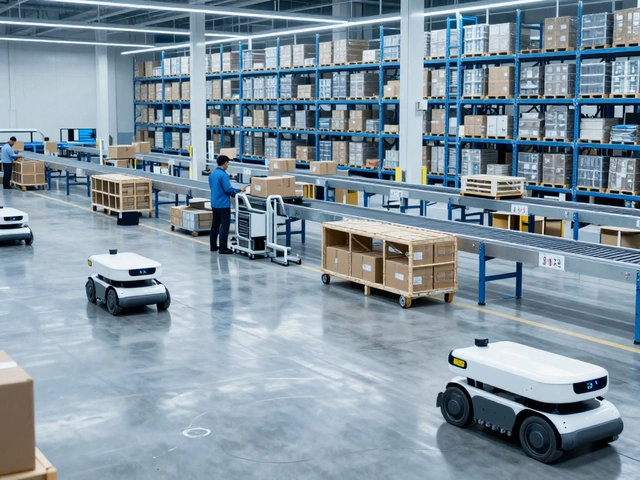
- Automation: More warehouses use robots. But someone still has to manage them.
- Sustainability: Carbon tracking and green logistics are becoming KPIs.
- AI Planning: Software predicts delays, adjusts routes, and even negotiates carrier rates.
- Skills Shift: Soft skills like communication and adaptability matter more than ever.
Logistics isn’t disappearing. It’s evolving. And the people who adapt - whether by learning new software, getting certified, or moving into leadership - will be the ones who thrive.
Do I need a degree to work in logistics?
No, you don’t need a degree to start. Many people begin in warehouse or driver roles with just a high school diploma. But for mid- to senior-level jobs - like logistics manager or supply chain analyst - a diploma or degree in supply chain, business, or logistics gives you a clear advantage. Certifications often matter more than degrees if you’re already working in the field.
How much do logistics jobs pay in Canada?
Entry-level roles like warehouse associate or driver pay $18-$25/hour. Mid-level roles such as logistics coordinator or planner earn $50K-$75K/year. Managers and directors make $80K-$140K+, depending on company size and location. Specialized roles like automation techs or international trade specialists often earn more than general managers due to high demand.
Can I move from a warehouse job to a management role?
Absolutely. Many logistics managers started as warehouse workers. The key is to show initiative: learn the software, help solve problems, volunteer for extra tasks, and ask for feedback. Take a certification like CLP or complete a community college program while working. Employers notice people who want to grow.
Is logistics a stable career?
Yes. Logistics is one of the most stable industries in Canada because everything people buy needs to be delivered. Even during economic downturns, essential goods like food, medicine, and household items still move. E-commerce growth ensures long-term demand. Automation changes the work, but it doesn’t eliminate the need for people to manage it.
What’s the best way to get hired in logistics?
Start by applying to major logistics companies like Purolator, FedEx, DHL, or Amazon. Use job boards like Indeed, LinkedIn, and Workopolis. Network with people in the industry - attend local supply chain meetups or connect with recruiters on LinkedIn. Even if you’re starting at the bottom, showing up consistently and learning fast gets you noticed. Many hires come from internal promotions.