Warehouse Solution Cost & Type Estimator
Estimated Monthly Investment
- Recommended Tech Stack -
- Primary Focus Area -
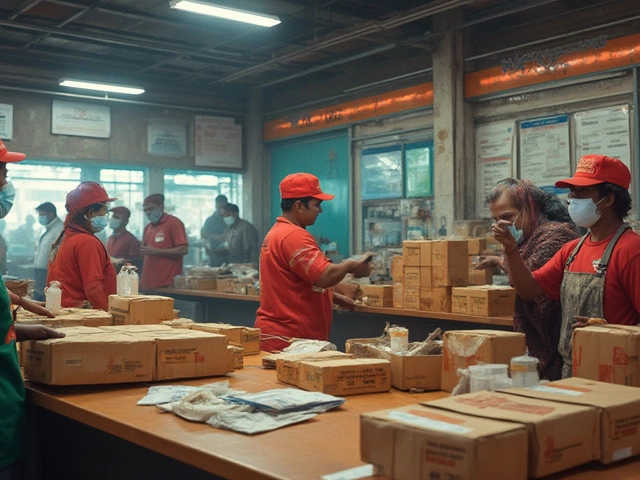
Imagine you run an online store. It’s Black Friday. Orders are pouring in faster than you can blink. You know the item is in stock-you saw it on your screen-but when you send someone to find it, they wander around aisles of boxes for twenty minutes. By the time they locate it, three other customers have cancelled their orders because of the delay. This isn’t just bad luck; it’s a failure of your warehouse solution.
A warehouse solution is not merely a building with shelves. It is the entire ecosystem that allows goods to be received, stored, picked, packed, and shipped efficiently. It combines physical infrastructure, technology, and human processes into a single, cohesive operation. Without a robust solution, your inventory becomes a black hole where products disappear, costs spiral, and customer satisfaction plummets.
The Core Components of a Warehouse Solution
To understand what a warehouse solution actually is, we need to break it down into its essential parts. Think of it like a body: it needs a skeleton (infrastructure), a brain (software), and muscles (labor and equipment) to function correctly.
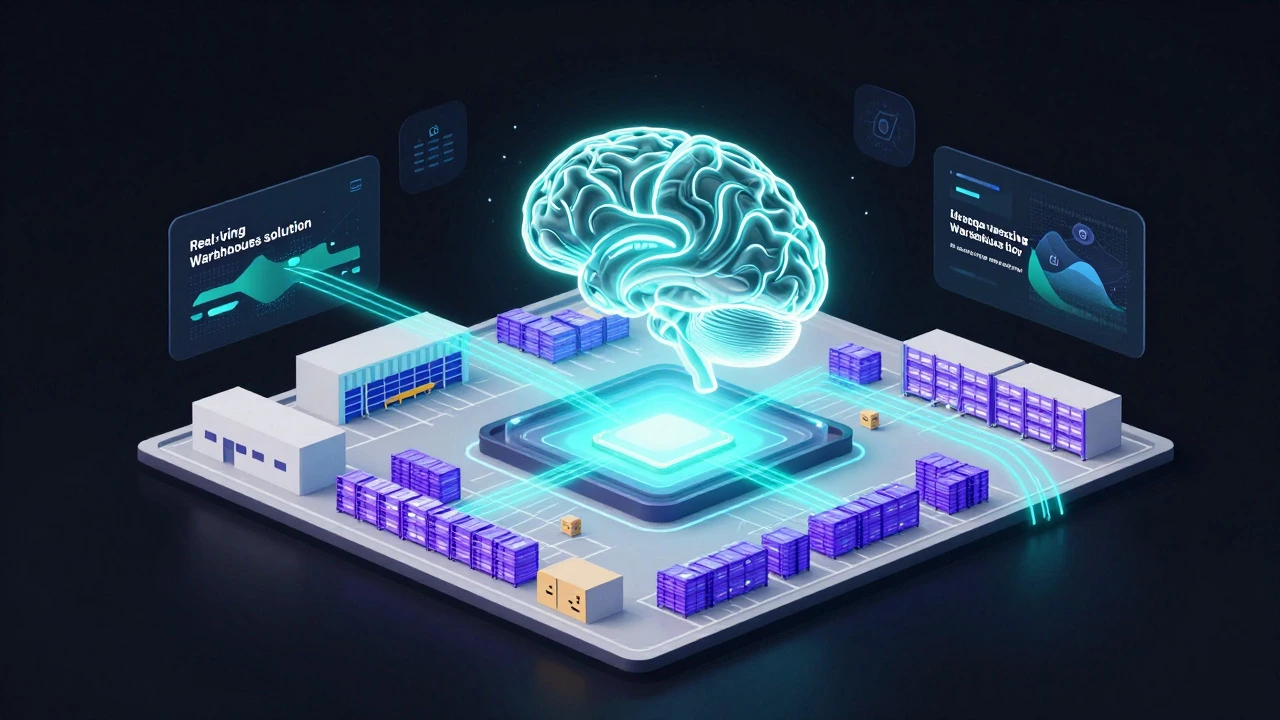
Next comes the technological layer. This is where many businesses stumble. They buy expensive racks but rely on spreadsheets to track inventory. A modern solution integrates Warehouse Management Systems (WMS). A WMS is the central nervous system. It tells you exactly where Item #12345 is located-down to the specific bin-and directs the worker there via a handheld device or voice command. It updates stock levels in real-time, preventing overselling.
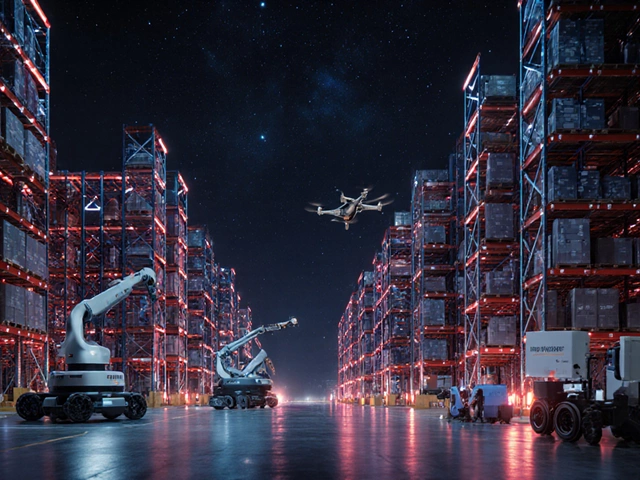
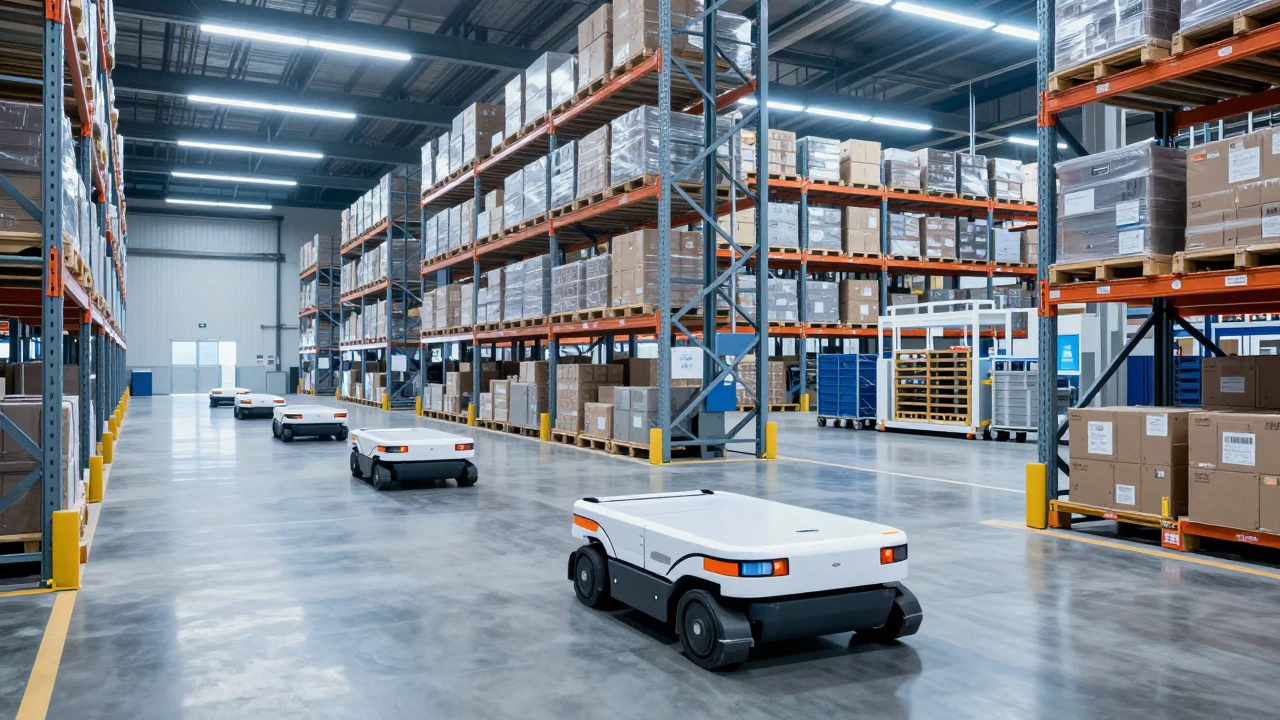
Finally, there is the labor and automation component. This ranges from manual pickers using carts to sophisticated Automated Storage and Retrieval Systems (AS/RS). AS/RS units use cranes and shuttles to retrieve pallets without human intervention. For smaller operations, this might mean using barcode scanners. For large enterprises, it could involve autonomous mobile robots (AMRs) that bring shelves to the picker, eliminating travel time entirely.
Why Your Current Setup Might Be Failing
Many business owners think they have a warehouse solution when they only have a storage unit. How do you tell the difference? Look at these common pain points:
- Invisible Inventory Loss: You sell ten units, but your system says you have twelve. Two are missing, damaged, or mislabeled. This "shrinkage" eats directly into your profit margin.
- Picking Errors: Customers receive the wrong color or size. Returns cost money in shipping and restocking fees, plus they damage your brand reputation.
- Slow Fulfillment Times: If it takes you more than four hours to process an order from receipt to handoff to the carrier, you are losing competitive ground to rivals who ship same-day.
- Space Inefficiency: You are paying rent for square footage that is empty because your racking doesn’t utilize vertical space effectively.
If any of these sound familiar, your current approach is reactive rather than proactive. A true warehouse solution anticipates these issues through structured workflows and data analytics.
Types of Warehouse Solutions for Different Business Sizes
There is no one-size-fits-all answer. The right solution depends heavily on your volume, product type, and growth trajectory. Let’s look at three distinct models.
| Solution Type | Best For | Key Technology | Cost Structure |
|---|---|---|---|
| Manual + Basic WMS | Small businesses, startups (< 100 orders/day) | Barcode scanners, cloud-based WMS | Low upfront cost, monthly subscription |
| Semi-Automated | Growing e-commerce brands (100-1,000 orders/day) | Conveyor belts, pick-to-light systems | Moderate investment, higher efficiency |
| Fully Automated | Large enterprises, retailers (>1,000 orders/day) | AS/RS, AMRs, AI-driven forecasting | High capital expenditure, low variable cost |
For a small Shopify store, a fully automated robot army is overkill and financially disastrous. They need a cloud-based WMS that syncs with their sales channels. Conversely, a national retailer handling millions of SKUs cannot survive with manual picking; the error rate would be catastrophic. They require integration between their Enterprise Resource Planning (ERP) system and automated hardware.
The Role of Data and Integration
A warehouse does not exist in a vacuum. It is a node in a larger supply chain network. Therefore, a critical part of any warehouse solution is Supply Chain Integration. Your warehouse software must talk to your suppliers, your transportation providers, and your sales platforms.
Consider the concept of Real-Time Visibility. When a customer places an order on your website, the WMS should instantly reserve that stock. Simultaneously, it should notify the shipping carrier to prepare a label. If your systems are siloed, you might sell an item that has already been allocated to another customer. This "double-selling" creates chaos during peak seasons.
Data analytics also play a huge role. Advanced solutions provide heat maps of your warehouse floor. These maps show which areas are most congested and which products are moving fastest. You can use this data to rearrange your inventory dynamically. For example, if winter coats start selling early due to a cold snap, the system flags them as high-priority and suggests moving them closer to the packing station before you even notice the trend manually.
Implementing a New Warehouse Solution: Step-by-Step
Switching to a new warehouse solution is a major operational shift. It requires careful planning to avoid disrupting daily operations. Here is a practical roadmap:
- Audit Your Current Process: Map out every step from receiving goods to shipping them. Identify bottlenecks. Where do errors happen? Where do people wait?
- Define Your Requirements: Do you need cold storage? Do you handle hazardous materials? What is your expected order volume next year? Be realistic about growth.
- Select the Right Software: Look for a WMS that offers open APIs. This ensures it can integrate with your existing tools, whether that’s Salesforce, Shopify, or SAP.
- Pilot Test: Don’t roll out the new solution across the entire warehouse at once. Start with one aisle or one product category. Test the workflow, train a small team, and iron out kinks.
- Train Your Team: Technology fails if people don’t know how to use it. Invest in comprehensive training. Make sure your staff understands not just *how* to scan a barcode, but *why* accuracy matters.
- Go Live and Monitor: Once launched, monitor key performance indicators (KPIs) closely. Track order accuracy, pick rate, and shipping times. Adjust as needed.
Future Trends in Warehouse Solutions
The landscape of warehousing is changing rapidly. As we move through 2026, several trends are reshaping what a "solution" looks like.
Artificial Intelligence (AI) is moving beyond simple reporting to predictive action. AI algorithms can predict demand spikes based on social media trends or weather patterns, allowing warehouses to pre-position inventory. This reduces lead times significantly.
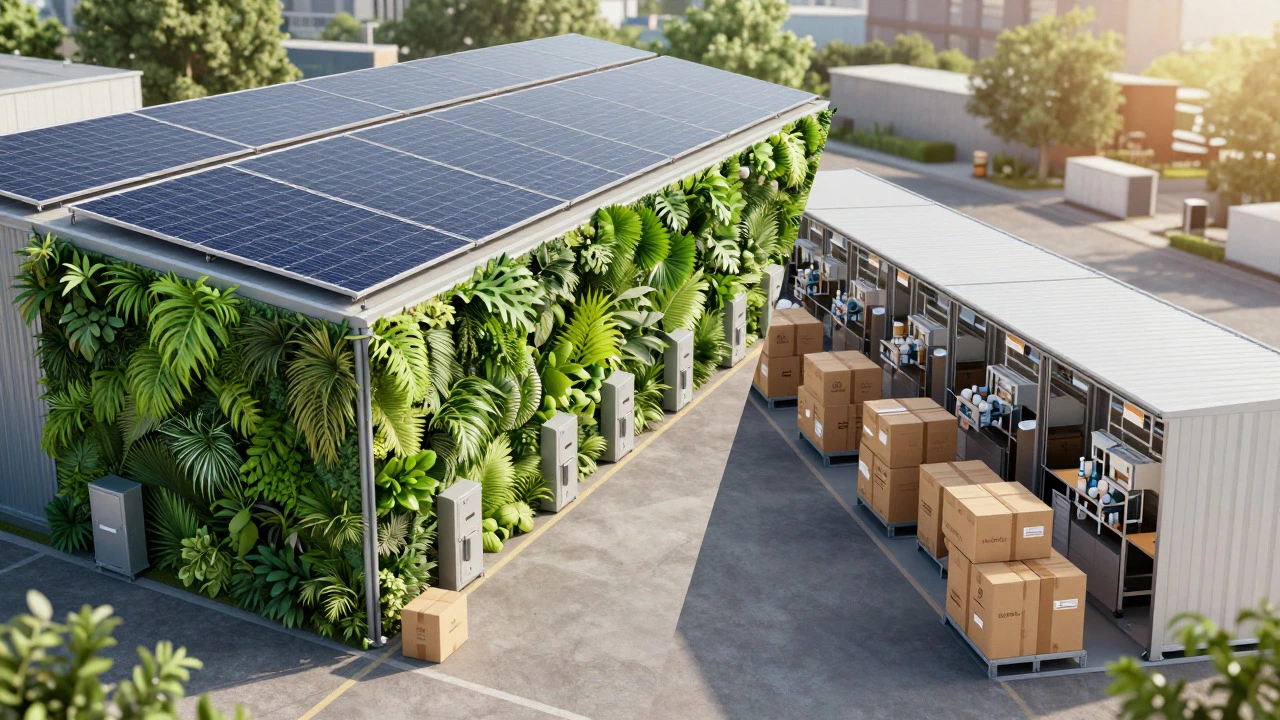
Another major trend is Sustainability. Companies are under pressure to reduce their carbon footprint. Modern warehouse solutions include features to optimize packaging sizes to reduce waste and plan delivery routes to minimize fuel consumption. Energy-efficient lighting and solar-powered facilities are becoming standard expectations, not just nice-to-haves.
Additionally, the rise of Micro-Fulfillment Centers (MFCs) is decentralizing storage. Instead of one massive warehouse far from cities, brands are setting up small, automated hubs within urban areas. This enables same-day or even hour-level delivery, drastically changing the definition of speed in logistics.
Common Pitfalls to Avoid
Even with the best intentions, implementation can go wrong. Here are the most frequent mistakes:
- Over-Automation Too Early: Buying robots before you have standardized your processes. Automation amplifies existing problems. If your process is messy, automation will make it messier, faster.
- Ignoring Change Management: Workers often fear that new technology will replace them. Communicate clearly that the goal is to make their jobs easier and safer, not to eliminate positions.
- Poor Data Hygiene: Garbage in, garbage out. If your SKU descriptions, weights, and dimensions are inaccurate in the system, the automation will fail. Spend time cleaning your master data before launch.
- Lack of Scalability Planning: Choosing a solution that works for today but collapses under double the volume. Ensure your vendor can support your projected growth for the next 3-5 years.
What is the difference between a WMS and a warehouse solution?
A Warehouse Management System (WMS) is the software component of a broader warehouse solution. While WMS handles data, tracking, and instructions, the full warehouse solution includes the physical infrastructure, labor strategies, automation hardware, and overall operational processes that work together to manage inventory.
How much does it cost to implement a warehouse solution?
Costs vary widely based on scale. A basic cloud-based WMS for a small business might cost $50-$300 per month. Semi-automated systems with conveyors and pick-to-light technology can range from $50,000 to $200,000. Fully automated systems with robotics and AS/RS can cost hundreds of thousands to millions of dollars, depending on the facility size and complexity.
Do I need automation for my warehouse?
Not necessarily. Automation is beneficial if you have high order volumes, repetitive tasks, or labor shortages. For low-volume or highly customized products, manual processes with good organization and basic scanning tools may be more cost-effective and flexible.
What are the key benefits of a modern warehouse solution?
Key benefits include increased inventory accuracy (often reaching 99%+), faster order fulfillment times, reduced labor costs through efficiency gains, better space utilization, improved visibility into supply chain operations, and enhanced customer satisfaction due to reliable delivery.
Can a warehouse solution help with returns management?
Yes. Modern WMS platforms include reverse logistics modules that streamline the returns process. They can automatically generate return labels, direct returned items to specific inspection bins, update inventory status quickly, and determine whether items should be restocked, refurbished, or discarded.
How long does it take to implement a new warehouse solution?
Implementation timelines depend on complexity. A simple cloud WMS setup might take 2-4 weeks. More complex integrations with ERP systems and custom workflows can take 3-6 months. Large-scale automation projects involving construction and hardware installation can take 6-18 months.
What is cross-docking and how does it fit into warehouse solutions?
Cross-docking is a logistics practice where incoming goods are unloaded from incoming vehicles and loaded directly onto outbound vehicles with little to no storage in between. It is part of efficient warehouse solutions for high-turnover items, reducing handling costs and speeding up delivery times.
Is cloud-based WMS better than on-premise?
For most businesses today, cloud-based WMS is preferred due to lower upfront costs, automatic updates, scalability, and remote accessibility. On-premise solutions offer more control over data security and customization but require significant IT infrastructure and maintenance resources.