E-commerce Logistics Cost Estimator
Calculate Your Logistics Costs
Get an estimate based on your business model and operational parameters
Most people think a successful e-commerce site is all about viral marketing or a pretty website. That is a dangerous myth. In 2026, the difference between a thriving online store and a bankrupt one usually comes down to one thing: logistics. You can drive a million visitors to your landing page, but if you cannot get the product to the customer efficiently, you will lose money on every order. The most successful e-commerce sites today are not just selling products; they are mastering the supply chain.
When we look at the landscape of online retail, certain models consistently outperform others. However, their success is deeply tied to how they handle inventory, shipping, and returns. A site that ignores its logistics backbone is like a car without an engine. It looks good, but it goes nowhere. Let's break down the specific types of e-commerce sites that are winning right now and why their logistics strategies are the secret sauce.
Direct-to-Consumer Brands with Controlled Fulfillment
Direct-to-Consumer (DTC) is a business model where brands sell directly to customers without intermediaries. This model has exploded in popularity because it allows companies to own the customer relationship. However, it requires a robust logistics setup. Successful DTC brands do not rely on slow, third-party couriers for every single package. Instead, they often use a hybrid approach.
These brands invest in private warehousing or partner with specialized Third-Party Logistics (3PL) providers who offer dedicated fulfillment centers. Why does this matter? Because speed is currency. In 2026, customers expect two-day shipping as the standard. If a DTC brand ships from a single warehouse in California to a customer in Toronto, the delivery time might be too long. Successful DTC players distribute inventory across multiple regions to reduce transit time and shipping costs.
Consider a clothing brand that sells $50 t-shirts. If they ship individually, the shipping cost might eat 20% of their profit. Successful sites bundle orders or use regional hubs to lower that cost. They also prioritize packaging that reduces damage rates. A damaged shirt means a return, and returns are the profit killer in e-commerce. By controlling the fulfillment process, these brands keep margins healthy and customers happy.
Multi-Vendor Marketplaces and Platform Integration
Not everyone wants to build a brand from scratch. Many successful sites operate as Multi-Vendor Marketplaces. Think of platforms like Amazon or Etsy, but also niche versions in specific industries. The logistics here are different. The platform itself often does not hold the inventory. Instead, they connect buyers with sellers who handle the shipping.
However, the most successful marketplaces in 2026 integrate deeply with logistics data. They use API integrations to show real-time shipping estimates at checkout. This transparency builds trust. If a customer knows exactly when the item will arrive, they are less likely to cancel the order. Successful marketplaces also offer optional fulfillment services, similar to Fulfillment by Amazon (FBA).
This allows smaller sellers to compete with big brands. A small seller can store their goods in a marketplace warehouse, and the platform handles the last-mile delivery. This reduces the barrier to entry for sellers and ensures the customer gets a fast delivery. The logistics complexity is shifted to the platform, which has the economies of scale to handle it efficiently.
Subscription Box Models with Predictable Inventory
Subscription Models are recurring revenue businesses where customers pay regularly for products. These sites are incredibly successful because they solve a massive logistics headache: demand forecasting. When you sell a one-time product, you never know exactly how many units you need next month. With subscriptions, you know exactly how many boxes to pack.
This predictability allows for optimized warehouse space and shipping routes. A successful subscription site, like a meal kit or a beauty box, plans its logistics months in advance. They can negotiate better rates with carriers because they ship the same volume every week. This consistency lowers the cost per unit significantly.
Furthermore, subscription sites often use custom packaging designed to fit the product perfectly. This reduces wasted space in delivery trucks. In 2026, sustainability is a major factor. Customers want to know their subscription isn't creating unnecessary waste. Successful sites use recyclable materials and optimize box sizes to minimize carbon footprint. This not only helps the environment but also reduces dimensional weight charges from carriers.
Omnichannel Retailers with BOPIS Capabilities
Omnichannel Retail is a strategy that integrates online and offline sales channels. The most successful retailers today do not choose between a physical store and a website. They use both. A key feature of this model is Buy Online, Pick Up In-Store (BOPIS). This is a game-changer for logistics.
When a customer picks up an item in-store, the retailer saves the entire last-mile delivery cost. Last-mile delivery is the most expensive part of the supply chain, often costing more than the product itself. By moving the customer to the store, the retailer eliminates that cost. Additionally, it drives foot traffic. Once the customer is in the store, they might buy something else.
Successful omnichannel sites use their inventory as a unified pool. If an item is out of stock online, the system checks local stores. If a store has it, they can ship it from there. This reduces the need for massive central warehouses. It turns every retail location into a mini-fulfillment center. This flexibility ensures high stock availability and faster delivery times for local customers.
Dropshipping with Modern Logistics Standards
Dropshipping is a model where the seller does not keep goods in stock. Historically, dropshipping had a bad reputation due to long shipping times from overseas. However, successful dropshipping sites in 2026 have evolved. They no longer rely solely on shipping from China via sea freight.
They use domestic fulfillment partners or suppliers with local warehouses. This cuts shipping time from 30 days to 3-5 days. The logistics here are about supplier vetting. A successful dropshipper ensures their suppliers have reliable inventory management systems. If a supplier says an item is in stock but it isn't, the site loses credibility.
Technology plays a huge role here. Successful sites use automation to sync inventory levels in real-time. This prevents overselling. They also offer transparent tracking. Customers want to see where their package is at every step. By improving the logistics experience, dropshipping can be a viable and profitable business model again, provided the focus is on speed and reliability.
The Critical Role of Third-Party Logistics (3PL)
Whether you run a DTC brand or a marketplace, you likely cannot handle all logistics internally. This is where Third-Party Logistics (3PL) is an outsourced provider of logistics services becomes essential. Successful e-commerce sites partner with 3PLs that offer more than just storage. They need value-added services like kitting, labeling, and returns processing.
In 2026, the best 3PLs offer AI-driven routing. They analyze traffic, weather, and carrier performance to choose the best route for every package. This reduces delays. They also provide analytics. A successful site uses these reports to identify bottlenecks. Maybe returns are high in a specific region. Maybe shipping costs are too high for a specific carrier.
Without a good 3PL partner, scaling becomes a nightmare. You might get too many orders and not have enough staff to pack them. A 3PL scales with you. They have the equipment and the workforce to handle holiday spikes. This reliability is crucial for maintaining customer trust during peak seasons like Black Friday or Christmas.
Key Metrics for Measuring Logistics Success
How do you know if your e-commerce site is truly successful? You need to track specific logistics metrics. It is not enough to look at revenue. You must look at efficiency.
- Order Cycle Time: The time from when a customer places an order to when they receive it. Successful sites aim for under 48 hours for domestic orders.
- Cost Per Order: The total logistics cost divided by the number of orders. This includes picking, packing, and shipping.
- Return Rate: The percentage of orders returned. High return rates indicate issues with product quality or sizing, which impacts logistics costs.
- Inventory Turnover: How quickly you sell through your stock. High turnover means less money tied up in storage.
Tracking these numbers helps you make data-driven decisions. If your cost per order is rising, you might need to renegotiate with your carrier. If your return rate is high, you might need to improve product descriptions or sizing guides. Successful sites treat logistics data as a strategic asset.
| Model Type | Logistics Complexity | Shipping Speed Expectation | Primary Logistics Challenge |
|---|---|---|---|
| Direct-to-Consumer (DTC) | High | 2-3 Days | Inventory Management |
| Marketplace | Medium | 1-5 Days | Supplier Coordination |
| Subscription | Low | Weekly/Monthly | Predictability |
| Omnichannel | Very High | Instant (BOPIS) | Inventory Sync |
| Dropshipping | Low (for seller) | 3-7 Days | Supplier Reliability |
Future Trends Shaping E-Commerce Logistics
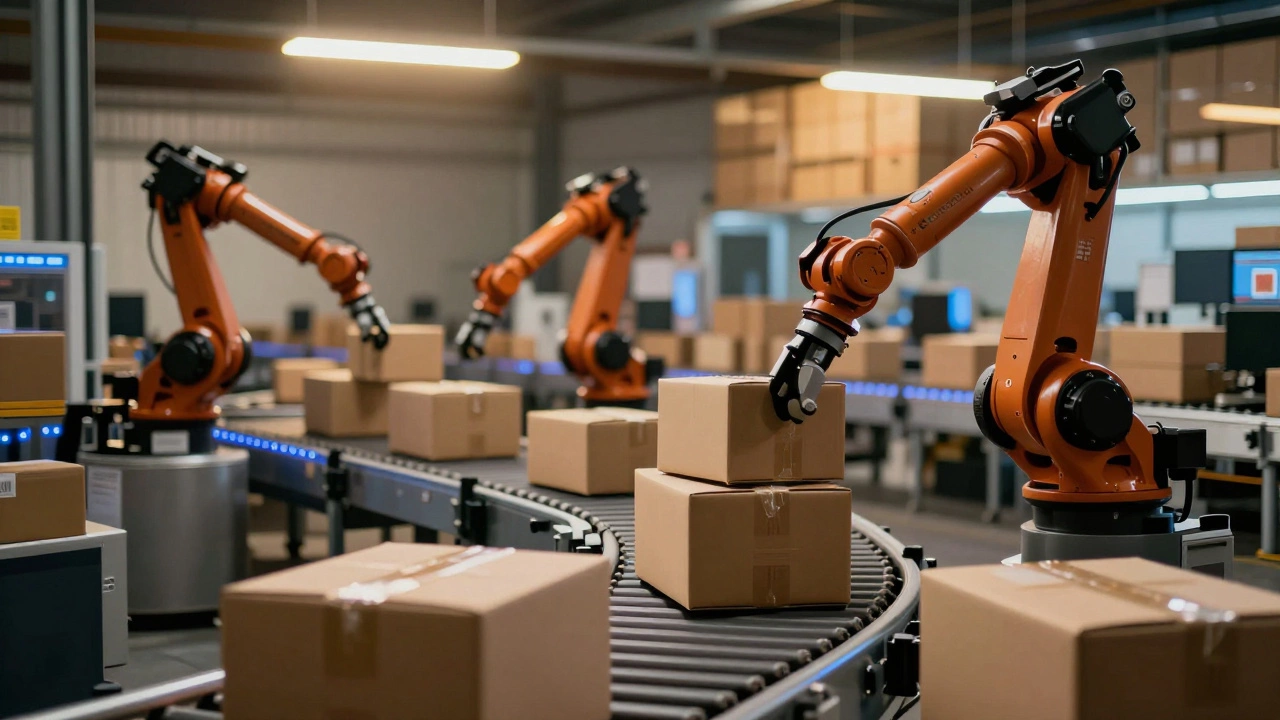
Looking ahead, the definition of a successful e-commerce site will continue to evolve. Automation is becoming standard. Robots in warehouses are picking and packing orders faster than humans. This reduces errors and speeds up processing.
Sustainability is also becoming a requirement, not just a nice-to-have. Customers are choosing brands that use electric delivery vehicles or carbon-neutral shipping. Successful sites will need to report their carbon footprint and offer green shipping options.
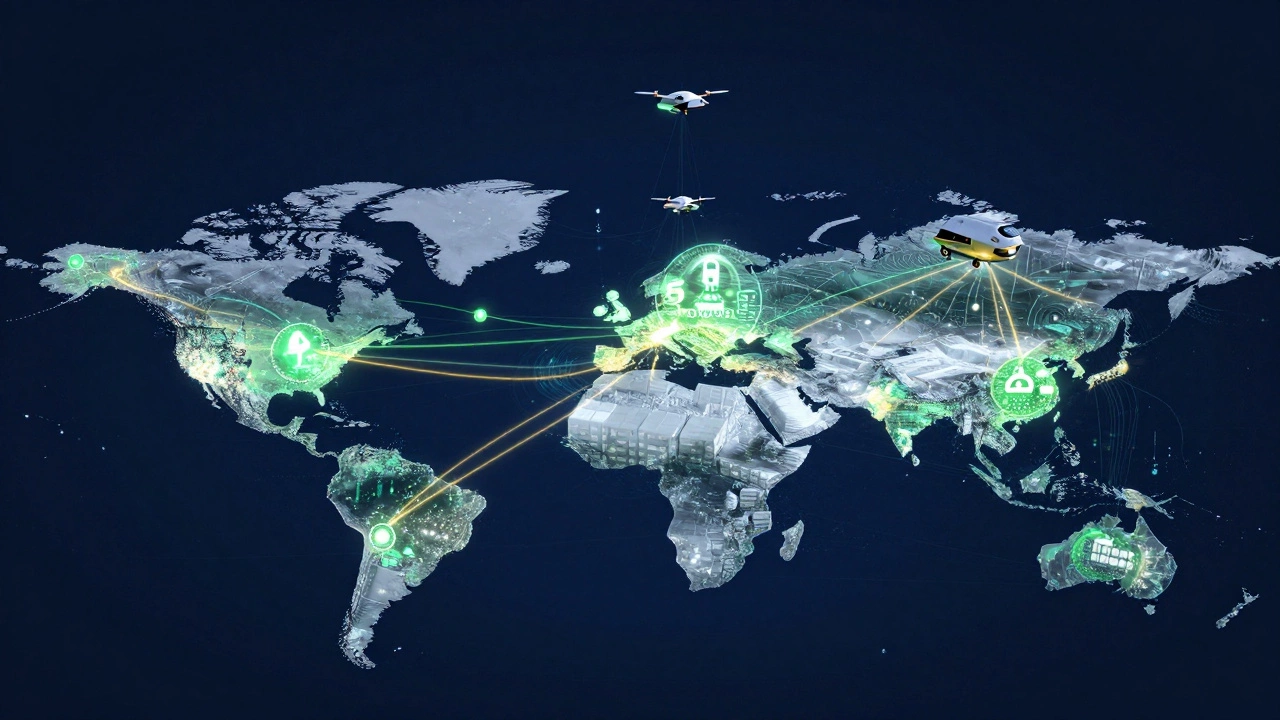
Finally, hyper-local delivery is emerging. Drones and autonomous vehicles are being tested in urban areas. While not everywhere yet, sites that prepare their logistics for this future will have a competitive advantage. The bottom line remains the same: the best e-commerce sites are the ones that deliver on their promises, literally.
What makes an e-commerce site successful in 2026?
Success is no longer just about traffic. It is about logistics efficiency. Sites that offer fast, reliable shipping and handle returns smoothly retain more customers. The ability to manage inventory and reduce shipping costs directly impacts profitability.
Is dropshipping still a viable business model?
Yes, but only if you focus on speed. Traditional dropshipping with 30-day shipping is dead. Successful dropshippers now use domestic suppliers or local warehouses to ensure delivery within a week.
Why is inventory management critical for e-commerce?
Poor inventory management leads to stockouts or overstocking. Both cost money. Successful sites use real-time data to keep the right amount of stock in the right locations, ensuring orders can be fulfilled quickly.
How does BOPIS help logistics?
Buy Online, Pick Up In-Store eliminates last-mile delivery costs. It also drives foot traffic to physical locations. It turns stores into fulfillment hubs, making the supply chain more flexible and efficient.
What role does a 3PL provider play?
A Third-Party Logistics provider handles storage, packing, and shipping. They allow e-commerce sites to scale without building their own warehouses. They also provide technology for tracking and inventory management.
Are subscription models easier to manage logistically?
Yes, because demand is predictable. You know exactly how many units to pack each month. This allows for better negotiation with carriers and optimized warehouse space, reducing overall costs.
What is the most important logistics metric to track?
Order Cycle Time is crucial. It measures how fast you get the product to the customer. If this time increases, customer satisfaction drops. Keeping it under 48 hours for domestic orders is a good benchmark.
How does sustainability affect e-commerce logistics?
Customers prefer brands with green shipping options. Using recyclable packaging and carbon-neutral carriers can improve brand loyalty. It also reduces waste, which can lower disposal costs.
Can small businesses compete with Amazon on shipping?
They can by focusing on niche markets and personalized service. While Amazon has scale, small businesses can offer faster local delivery or custom packaging that Amazon cannot match.
What technology is essential for modern e-commerce logistics?
Real-time inventory management systems and API integrations are essential. They connect your store to your warehouse and carriers, ensuring accurate stock levels and tracking information for customers.
Next Steps for Improving Your Logistics
If you are running an e-commerce site, start by auditing your current logistics. Look at your shipping costs and delivery times. Are you losing customers because shipping is too slow or too expensive? Identify the bottleneck.
Consider partnering with a 3PL if you are struggling to keep up with volume. They can provide the infrastructure you need without the upfront cost of building a warehouse. Also, invest in software that gives you visibility into your supply chain. You cannot improve what you cannot measure.
Finally, listen to your customers. If they complain about packaging or delivery times, take it seriously. Their feedback is the best indicator of where your logistics need improvement. Success in e-commerce is a journey, and logistics is the vehicle that gets you there.