Ecommerce Logistics Partner Selector
Configure your store's shipping profile below to get a tailored recommendation from major US logistics providers.
Recommended Logistics Strategy
Running an online store in the United States means your success often depends on who handles your boxes after you hit 'send.' The landscape of ecommerce logistics companies in the USA is vast, fragmented, and constantly evolving. Whether you are a solo entrepreneur shipping handmade goods from a garage or a mid-sized brand moving thousands of units daily, choosing the right partner can make or break your customer experience. You need more than just a truck; you need speed, reliability, and visibility.
The market is dominated by a few giants, but specialized third-party logistics (3PL) providers have carved out significant niches. Understanding the difference between national carriers, regional specialists, and full-service fulfillment centers is crucial. This guide breaks down the major players, their strengths, and how they fit into different business models. We will look at who handles high-volume e-commerce best, who offers the fastest last-mile delivery, and who provides the most cost-effective warehousing solutions.
The Big Three: National Carriers
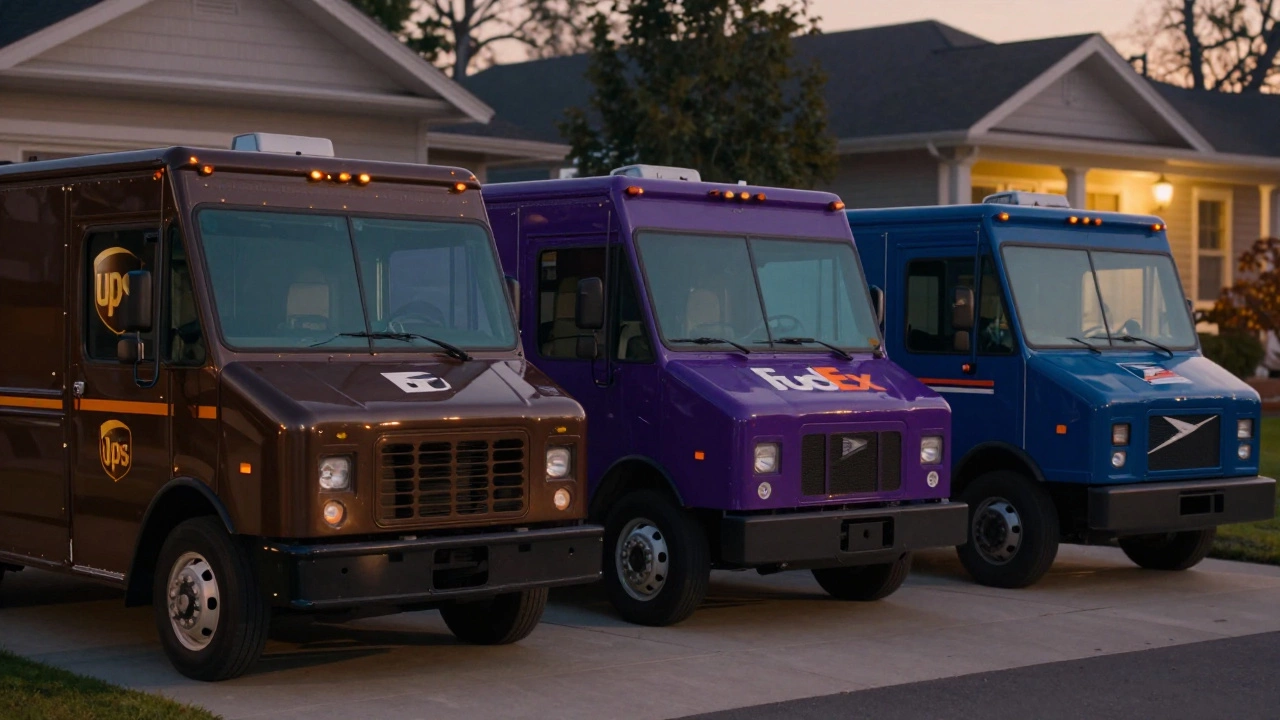
When people think of shipping, they usually picture UPS, FedEx, or USPS. These are the backbone of US logistics. They don't just deliver; they provide the infrastructure that almost all other logistics companies rely on for the final leg of the journey. For many small businesses, these carriers are the default choice because of their ubiquitous coverage.
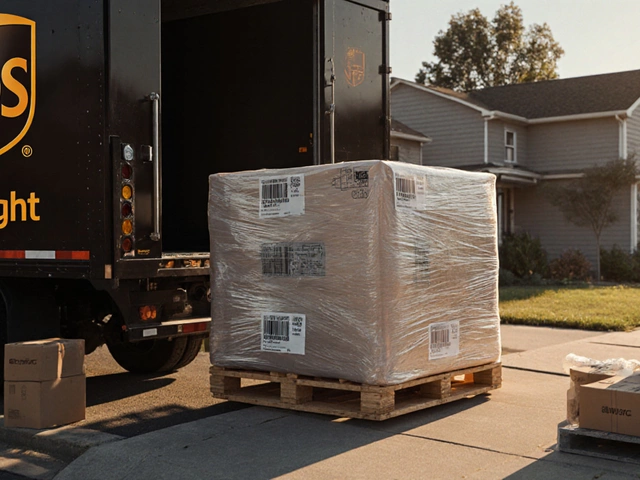
United Parcel Service (UPS) is a global leader in package delivery and supply chain management. Known for its brown trucks, UPS excels in B2B shipping and heavy packages. Their technology stack is robust, offering detailed tracking and predictive delivery windows. If you sell furniture or electronics, UPS is often the go-to due to their handling protocols for larger items.
FedEx is a multinational delivery services company specializing in express transportation. FedEx dominates the overnight and next-day air market. For time-sensitive orders, especially cross-country, their network is unmatched in speed. However, their residential delivery rates can be steep compared to ground options, making them better suited for premium or urgent shipments rather than standard e-commerce bulk.
USPS (United States Postal Service) is the federal postal service of the United States. Despite being a government entity, USPS remains the king of small, lightweight packages. Their "Last Mile" advantage is real: they deliver to every address in the country, including PO Boxes, where private carriers often charge extra or refuse service. For e-commerce sellers using platforms like Shopify or Amazon, USPS Ground Advantage is frequently the most cost-effective option for items under 1-2 pounds.
Third-Party Logistics (3PL) Providers
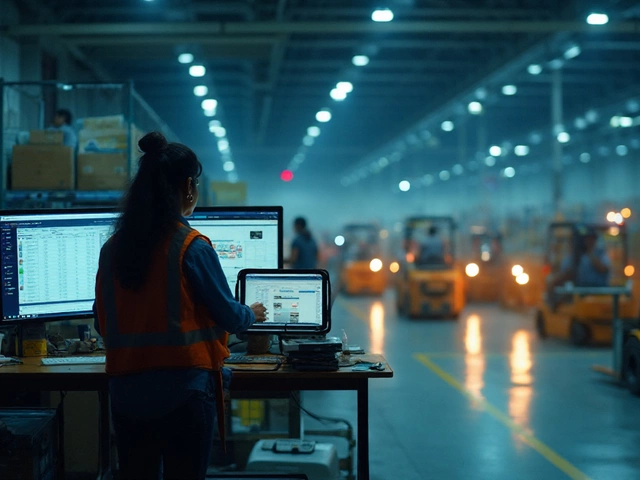
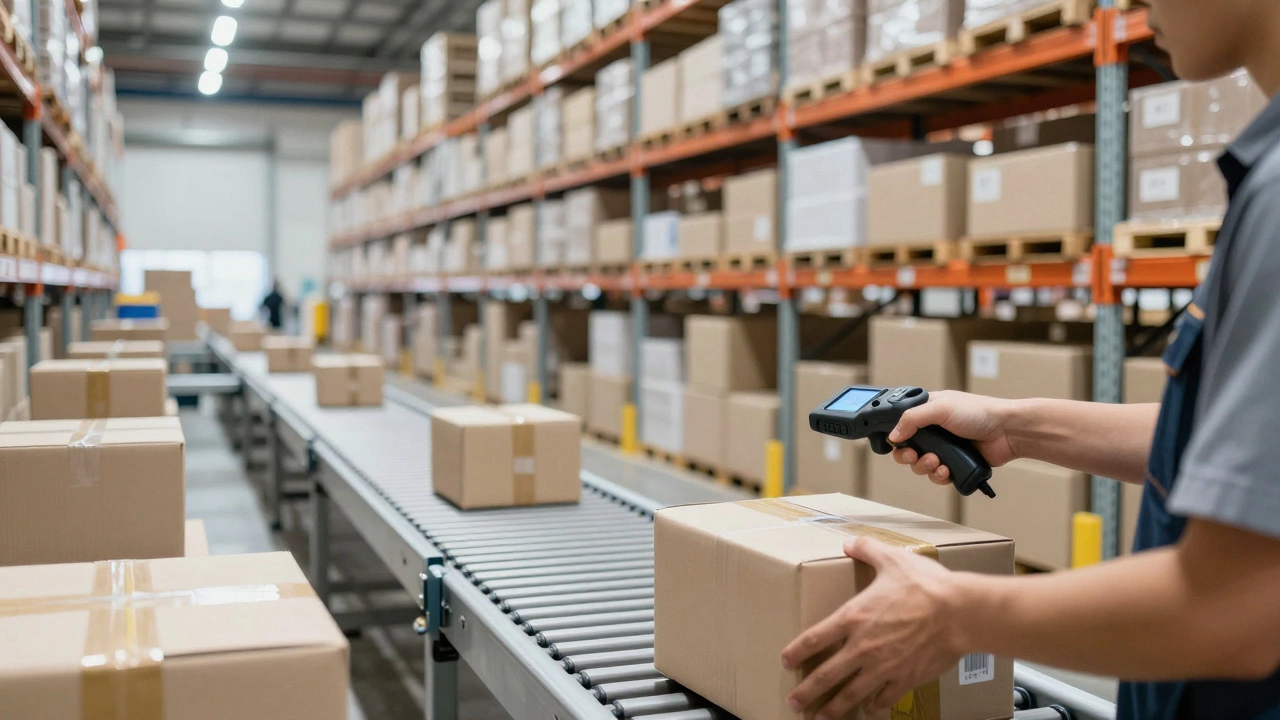
If you are scaling beyond packing boxes in your living room, you likely need a 3PL. These companies offer warehousing, pick-and-pack services, and returns management. They integrate directly with your e-commerce platform, automating the flow from order placement to shipment.
ShipBob is a tech-forward 3PL provider focused on fast, reliable ecommerce fulfillment. ShipBob’s selling point is its distributed inventory model. By storing your products in multiple warehouses across the US, they ensure most orders ship from a location close to the customer, enabling two-day delivery without paying for expedited air freight. They are ideal for brands that prioritize speed and want to compete with Amazon Prime.
Fulfillment by Amazon (FBA) is Amazon's comprehensive fulfillment service for third-party sellers. While technically a marketplace service, FBA functions as a massive 3PL. Using FBA gives your products the Prime badge, which significantly boosts conversion rates. However, it comes with strict fees, long-term storage costs, and less control over branding. It is a powerful tool but locks you into Amazon’s ecosystem.
Rakuten Super Logistics is a global logistics provider offering end-to-end supply chain solutions. Rakuten has been expanding its footprint in the US, offering competitive rates for international shipping as well as domestic fulfillment. They are particularly strong for brands that sell both domestically and globally, as they handle customs and cross-border complexities seamlessly.
Specialized and Regional Players
Not every business needs a national solution. Some logistics companies specialize in specific verticals, such as cold chain for food, hazardous materials, or oversized freight. Others focus on regional density to offer cheaper, faster local delivery.
LaserShip is a regional carrier acquired by OnTrac, focusing on last-mile delivery. LaserShip operates primarily in the Northeast and parts of the Midwest. They are known for efficient, localized delivery routes. For merchants based in these regions, using LaserShip can reduce costs and improve delivery times compared to national carriers that might route packages through distant hubs.
OnTrac is a leading regional package delivery company serving the Western and Southern United States. OnTrac competes directly with UPS and FedEx Ground in its service areas. Their strength lies in density; by focusing on specific states, they can offer lower prices and faster transit times for intra-regional shipments. If your customer base is concentrated in California, Texas, or Florida, OnTrac is worth investigating.
For niche markets, companies like Chex Systems is a consumer reporting agency, not a logistics provider-wait, let's correct that. For perishable goods, Arctic Slope Logistics or similar cold-chain specialists are essential. They maintain temperature-controlled environments throughout the supply chain, ensuring food, pharmaceuticals, and cosmetics arrive in perfect condition.
Comparison of Major Logistics Providers
| Provider | Type | Best For | Key Strength | Weakness |
|---|---|---|---|---|
| UPS | National Carrier | Heavy/B2B packages | Reliability & Tech | Higher cost for small items |
| FedEx | National Carrier | Overnight/Urgent | Speed | Expensive residential rates |
| USPS | National Carrier | Small/Lightweight items | Coverage & Price | Inconsistent tracking/speed |
| ShipBob | 3PL | Scaling DTC brands | Distributed Inventory | Minimum volume requirements |
| FBA | Marketplace 3PL | Amazon sellers | Prime Badge & Trust | High fees & Brand dilution |
| OnTrac | Regional Carrier | West/South US shipping | Regional Density/Cost | Limited geographic reach |
How to Choose the Right Partner
Selecting a logistics provider isn't one-size-fits-all. You need to evaluate your specific operational needs. Start by analyzing your average order value (AOV) and weight. If you sell $5 t-shirts, USPS is likely your only profitable option. If you sell $500 gym equipment, UPS Freight or LTL (Less Than Truckload) carriers become relevant.
Consider your growth trajectory. If you plan to scale rapidly, a 3PL like ShipBob or Red Stag Fulfillment can handle the surge in volume without you needing to hire staff or lease warehouse space. However, if you are just starting, self-fulfilling might be cheaper until you hit a certain volume threshold, typically around 50-100 orders per month.
Customer experience is another critical factor. Does your brand promise same-day delivery? Then you need local courier partners or a hyper-local fulfillment center. Do you promise free returns? Ensure your logistics partner has a streamlined reverse logistics process. Returns are a major pain point in e-commerce, and a smooth return experience can increase customer loyalty.
Integration capabilities matter too. Your logistics provider must integrate seamlessly with your e-commerce platform (Shopify, WooCommerce, Magento, etc.). Look for APIs that update inventory levels in real-time and automate label generation. Manual data entry is a recipe for errors and delays.
Emerging Trends in US Logistics
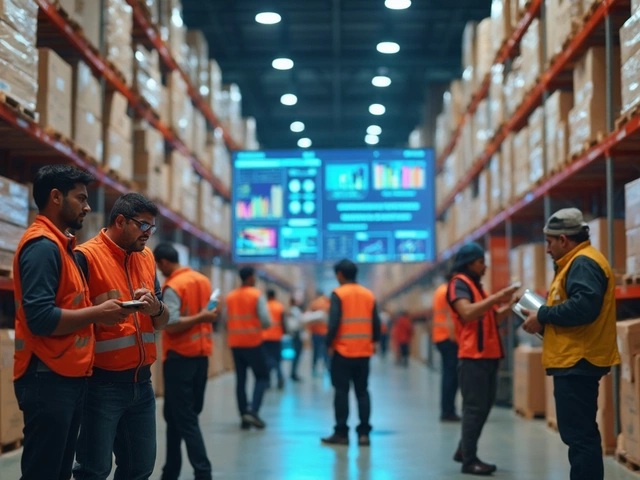
The logistics industry is undergoing a technological revolution. Automation in warehouses, using robots for picking and packing, is becoming standard among top 3PLs. This reduces labor costs and increases accuracy. For consumers, this means faster processing times.
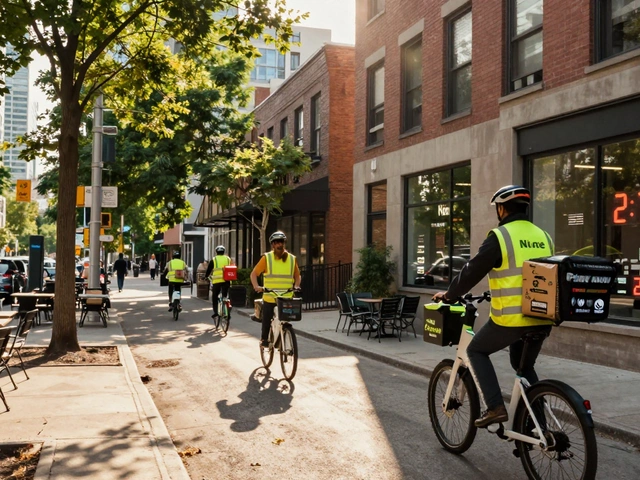
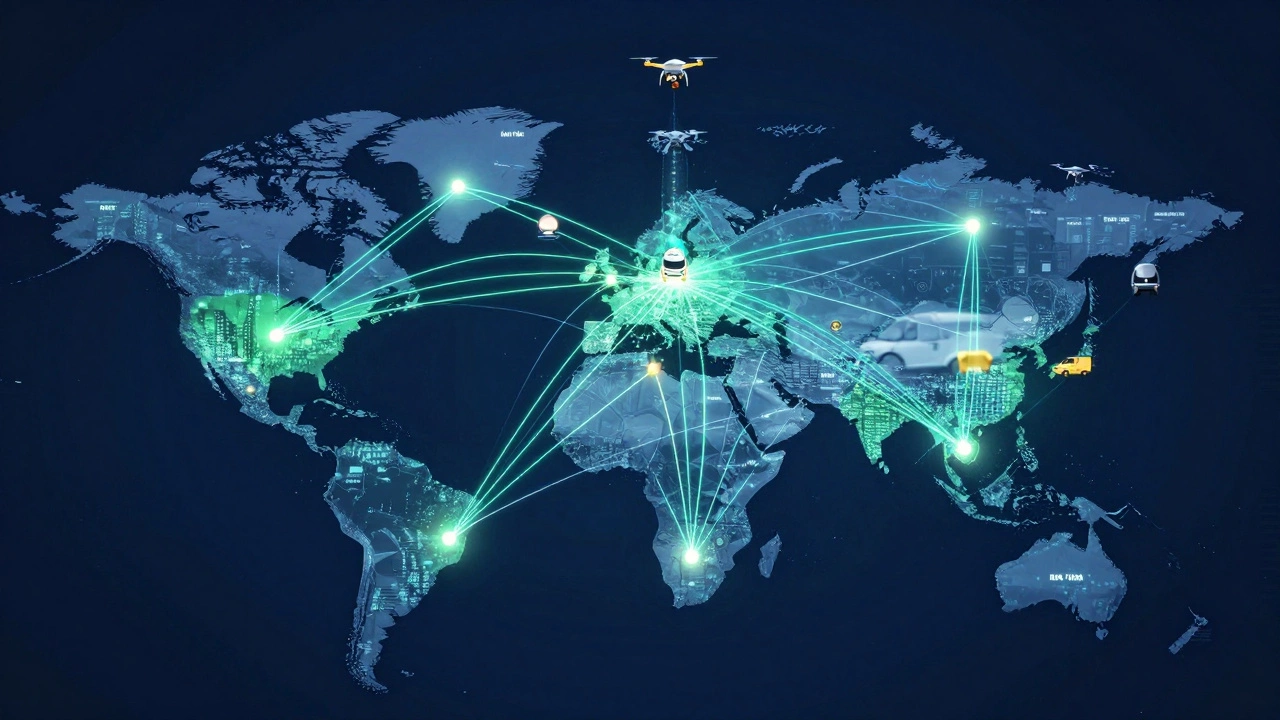
Last-mile innovation is also accelerating. Drones and autonomous vehicles are being tested by companies like Amazon and UPS. While not yet widespread, these technologies promise to cut delivery times and costs further. Additionally, there is a growing emphasis on sustainability. Consumers are increasingly conscious of carbon footprints, pushing logistics companies to offer green shipping options, such as electric delivery vans and carbon-neutral packaging.
Micro-fulfillment centers (MFCs) are popping up in urban areas. These small warehouses allow brands to store inventory closer to dense population centers, enabling same-day or even hour-by-hour delivery. This trend is reshaping how cities handle e-commerce deliveries, reducing traffic congestion from long-haul trucks entering city centers.
As we move through 2026, the line between retail and logistics continues to blur. Brands are taking more control over their supply chains, investing in proprietary logistics networks to differentiate themselves. For smaller players, partnering with agile, tech-savvy 3PLs is the way to compete with retail giants.
What is the cheapest shipping option for small ecommerce businesses in the USA?
For most small businesses shipping lightweight items (under 1 lb), USPS Ground Advantage is typically the cheapest option. It offers nationwide coverage, including PO Boxes, at a lower rate than UPS or FedEx Ground. For slightly heavier items, comparing rates via shipping software like Pirate Ship or Shippo can help find the best discount.
Should I use FBA or a third-party 3PL?
Use FBA if the majority of your sales come from Amazon and you want the Prime badge to boost conversions. Use a third-party 3PL like ShipBob if you sell on your own website or multiple marketplaces (like Etsy or eBay) and want to maintain brand consistency and avoid Amazon's high fees. Many successful brands use a hybrid approach.
How do regional carriers differ from national carriers?
Regional carriers like OnTrac or LaserShip operate in specific geographic areas, allowing them to offer lower prices and faster delivery times within those regions due to higher route density. National carriers like UPS and FedEx cover the entire country but may have longer transit times and higher costs for short-distance, regional shipments.
What is reverse logistics?
Reverse logistics refers to the process of managing returned goods. It includes receiving returns, inspecting items, restocking inventory, and issuing refunds. Efficient reverse logistics is crucial for customer satisfaction and minimizing losses. Top 3PLs offer integrated return portals to streamline this process.
Can I negotiate shipping rates with carriers?
Yes, but it depends on your volume. Small businesses usually pay published rates or slight discounts via online platforms. Once you reach a certain volume (e.g., 50+ packages per week), you can negotiate contractual rates directly with carriers like UPS or FedEx. Using a freight broker or 3PL can also leverage their aggregated volume for better rates.