Logistics Profitability Calculator
Estimate your net profit margins based on operational costs and technology investments
Operational Parameters
Cost Structure (% of Revenue)
Reduces fuel by 15%, labor by 10%, and maintenance by 8% through optimization
Profitability Analysis
Financial Summary
| Revenue | $1,000,000 |
| Total Costs | $965,000 |
| Net Profit | $35,000 |
Software Savings Potential
Investing in TMS/WMS could save you $0 annually
How Logistics Software Boosts Profits
Route Optimization AI
10-20% fuel savings through intelligent path calculation
Automated Dispatching
15% faster turnaround with automatic load assignment
Real-Time Visibility
30% fewer complaints with live GPS/IoT tracking
Inventory Analytics
25% reduction in dead stock with predictive analytics
You might think moving boxes from Point A to Point B is a simple business. You own a truck, you drive it, you get paid. But if you look at the actual numbers behind the logistics industry a sector responsible for the movement of goods, services, and information from origin to consumption, the reality is much grittier. It is a game of thin margins, massive volume, and relentless pressure on costs.
So, how profitable is logistics really? For most traditional carriers and third-party logistics providers (3PLs), net profit margins hover between 2% and 5%. That sounds small, but when you are moving billions of dollars worth of freight, that percentage adds up to significant revenue. However, the winners-the companies actually keeping their doors open and growing-are those who squeeze every penny out of inefficiency using logistics software digital tools designed to optimize route planning, warehouse management, and fleet tracking.
The Brutal Reality of Logistics Margins
To understand profitability, you have to look at where the money goes. The logistics sector is capital-intensive. You need trucks, warehouses, fuel, labor, and insurance. In 2026, fuel prices remain volatile due to global geopolitical shifts, and labor costs have risen sharply as driver shortages persist in North America and Europe.
Consider the breakdown for a mid-sized freight carrier:
- Fuel: Typically consumes 15-20% of operating expenses.
- Labor: Drivers and warehouse staff account for 30-40% of costs.
- Maintenance & Repairs: Another 10-15% goes into keeping the fleet running.
- Insurance & Compliance: Regulatory fees and liability coverage take up 5-10%.
After these deductions, what’s left? Often, less than 5%. This is why many smaller logistics firms fail within their first five years. They cannot absorb unexpected spikes in diesel prices or sudden drops in shipping demand. The margin for error is virtually non-existent.
Why Some Companies Thrive While Others Struggle
If the margins are so tight, why do some logistics giants report healthy growth while others go bankrupt? The difference usually comes down to two factors: scale and technology.
Large players like DHL, FedEx, or Maersk benefit from economies of scale. They negotiate better fuel contracts, buy trucks in bulk, and spread fixed costs over millions of shipments. But even they aren’t immune to inefficiency. The real edge in 2026 belongs to companies that use data to make smarter decisions.
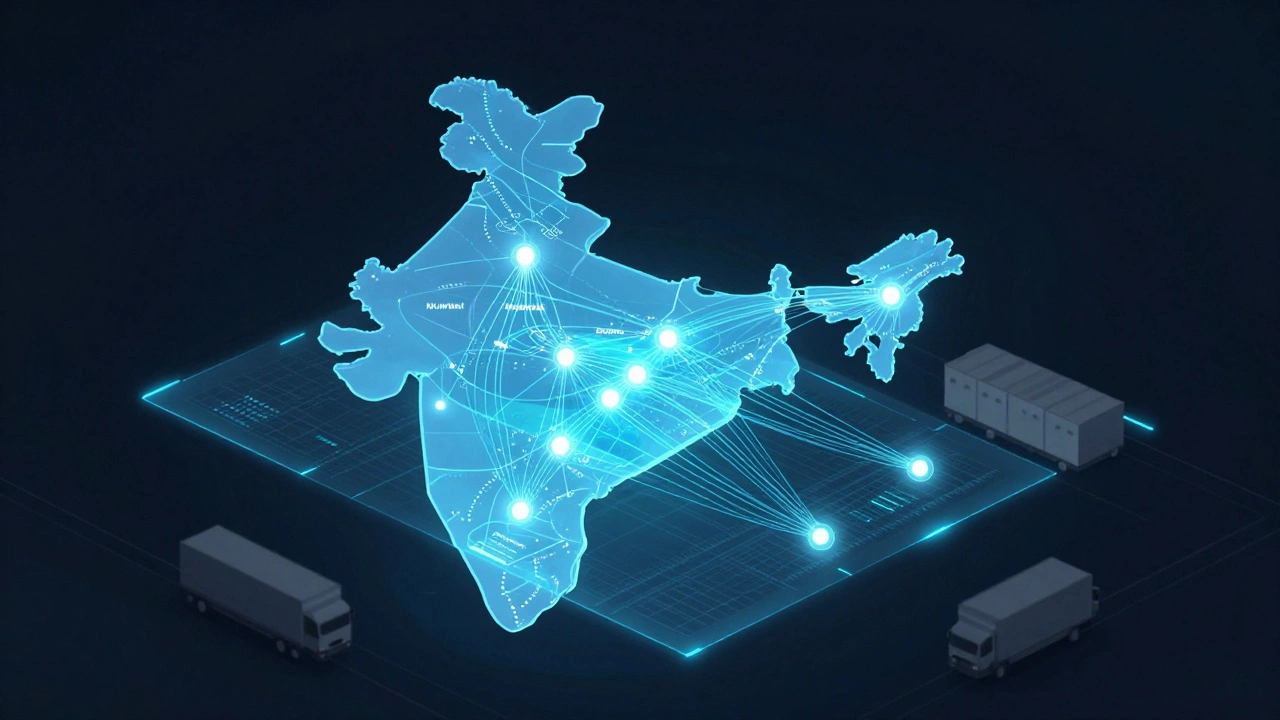
This is where Transportation Management Systems (TMS) software platforms that plan, execute, and optimize the physical movement of goods come into play. A TMS doesn’t just track packages; it analyzes historical data to predict delays, optimize routes to save fuel, and automate carrier selection. A company using a robust TMS can reduce empty miles by up to 15%, which directly boosts profitability.
The Role of Logistics Software in Boosting Profits
Let’s talk about the elephant in the room: software. Many logistics managers still rely on spreadsheets or outdated legacy systems. This is a costly mistake. Modern Warehouse Management Systems (WMS) applications that control and administer warehouse operations including inventory management and order fulfillment and TMS platforms are no longer optional luxuries-they are survival tools.
Here is how specific software solutions impact the bottom line:
| Technology | Primary Function | Estimated Efficiency Gain | Profit Impact |
|---|---|---|---|
| Route Optimization AI | Calculates fastest/cheapest paths | 10-20% fuel savings | Direct reduction in variable costs |
| Automated Dispatching | Assigns loads to drivers automatically | 15% faster turnaround | More shipments per day per vehicle |
| Real-Time Visibility Platforms | Tracks shipments live via GPS/IoT | 30% fewer customer complaints | Higher retention rates and premium pricing |
| Inventory Analytics | Predicts stock levels and demand | 25% reduction in dead stock | Improved cash flow and storage efficiency |
When you implement these tools, you aren’t just saving time; you are increasing your capacity without buying more trucks. If your existing fleet can handle 20% more load because routes are optimized, your profit per mile increases significantly.
Niche Markets vs. General Freight
Not all logistics is created equal. The profitability varies wildly depending on the niche you serve. General dry freight-moving pallets of non-perishable goods-is highly competitive and low-margin. However, specialized sectors offer higher returns.
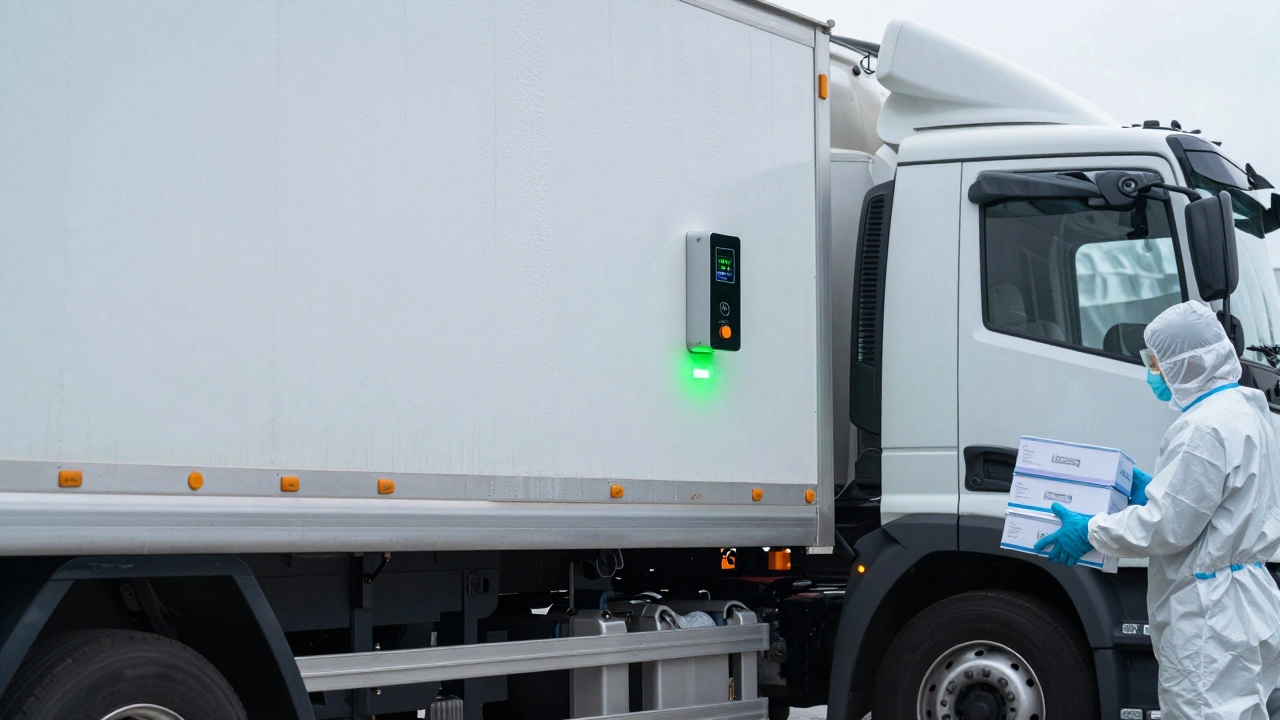
Cold chain logistics, which involves transporting temperature-sensitive products like pharmaceuticals or fresh food, commands higher rates. The barrier to entry is higher because you need specialized refrigerated trucks and strict compliance monitoring. Similarly, hazardous materials transport requires special licensing and safety protocols, reducing competition and allowing for better pricing power.
E-commerce last-mile delivery is another area with mixed results. While volume is huge, customer expectations for same-day delivery drive costs up. Companies that integrate Last-Mile Delivery Software tools focused on optimizing the final step of the delivery process from distribution center to consumer can mitigate this by consolidating stops and offering flexible delivery windows.
Risks That Eat Into Profits
Even with great software, risks exist. Supply chain disruptions, such as port strikes or natural disasters, can halt operations overnight. In 2026, climate-related events continue to pose a threat to infrastructure. A flooded highway or a closed port means idle trucks, which burn money.
Another risk is regulatory change. Emissions standards are tightening globally. The EU’s Green Deal and similar initiatives in Canada and the US require fleets to transition to electric or hybrid vehicles. This transition is expensive. Upfront costs for electric trucks are 20-30% higher than diesel equivalents. However, long-term fuel and maintenance savings can offset this, provided the charging infrastructure is reliable.
Cybersecurity is also a growing concern. As logistics becomes more digital, it becomes a target for ransomware attacks. A breach can paralyze a company’s ability to dispatch trucks or manage inventory, leading to massive financial losses and reputational damage.
How to Improve Your Logistics Profitability Today
If you run a logistics operation, you don’t need to wait for the next economic boom to improve your margins. Here are actionable steps you can take right now:
- Audit Your Current Tech Stack: Are you still using manual entry for invoices? Switch to an integrated ERP system that connects finance, operations, and sales.
- Optimize Load Factors: Ensure every truck leaves the depot fully loaded. Partial loads kill profitability. Use software to match partial shipments with other clients heading in the same direction.
- Negotiate Carrier Rates: If you are a broker, leverage data to negotiate better rates with carriers. Show them consistent volume commitments in exchange for lower prices.
- Invest in Driver Retention: High turnover is expensive. Offer better schedules, fair pay, and user-friendly mobile apps for drivers to reduce friction.
- Diversify Revenue Streams: Consider offering value-added services like packaging, kitting, or reverse logistics (returns management) to increase revenue per customer.
Remember, profitability in logistics isn’t about charging more; it’s about costing less. Every hour saved, every gallon of fuel conserved, and every error avoided adds directly to your net income.
The Future Outlook for Logistics Margins
Looking ahead to the rest of 2026 and beyond, the trend points toward consolidation. Smaller, inefficient players will be acquired or forced out. The survivors will be those who embrace automation and data-driven decision-making.
Autonomous trucks are still years away from widespread adoption, but semi-autonomous features like lane-keeping assist and adaptive cruise control are already improving safety and fuel efficiency. Meanwhile, AI-powered demand forecasting is becoming standard, allowing companies to adjust capacity proactively rather than reactively.
The bottom line? Logistics remains a profitable business, but only for those who treat it as a science, not just a service. If you rely on gut feelings and spreadsheets, you will struggle. If you leverage modern logistics software to sharpen your operations, you can thrive even in a tough market.
What is the average profit margin for a logistics company?
The average net profit margin for traditional logistics and freight companies typically ranges from 2% to 5%. However, specialized niches like cold chain or hazardous materials transport can achieve margins of 8% to 12% due to higher barriers to entry and premium pricing.
Is logistics software worth the investment?
Yes, absolutely. Modern logistics software, such as Transportation Management Systems (TMS) and Warehouse Management Systems (WMS), can reduce operational costs by 10-20% through route optimization, reduced fuel consumption, and improved labor efficiency. The ROI often pays for itself within 12-18 months.
What are the biggest costs in the logistics industry?
The three largest cost drivers are labor (30-40%), fuel (15-20%), and maintenance/repairs (10-15%). Insurance, regulatory compliance, and technology subscriptions also contribute significantly to overhead.
How does e-commerce affect logistics profitability?
E-commerce increases volume but decreases margins per shipment due to the high cost of last-mile delivery. Consumers expect fast, free shipping, which pressures logistics providers to operate more efficiently. Those who use advanced routing algorithms and micro-fulfillment centers tend to maintain better profitability.
Can small logistics companies compete with large ones?
Yes, by focusing on niche markets and superior customer service. Small companies can be more agile and personalized. By leveraging cloud-based logistics software, they can access the same analytical tools as larger competitors without the heavy upfront IT costs.