Bucket Shipping Cost & Weight Estimator
Box Dimensions (Inches)
Key Takeaways for Bucket Shipping
- Cost Range: Domestic shipping usually costs between $25 and $80, while international rates can jump from $120 to over $400.
- Weight Matters: A full 5-gallon bucket of water weighs roughly 42 lbs; this pushes you into higher pricing tiers.
- The Shape Trap: Buckets are bulky. Carriers charge based on the space they take up (Dimensional Weight), not just the scale weight.
- Packaging is Non-Negotiable: Never ship a bucket without a secondary outer box, or you risk a total loss.
Why the Price Varies So Much
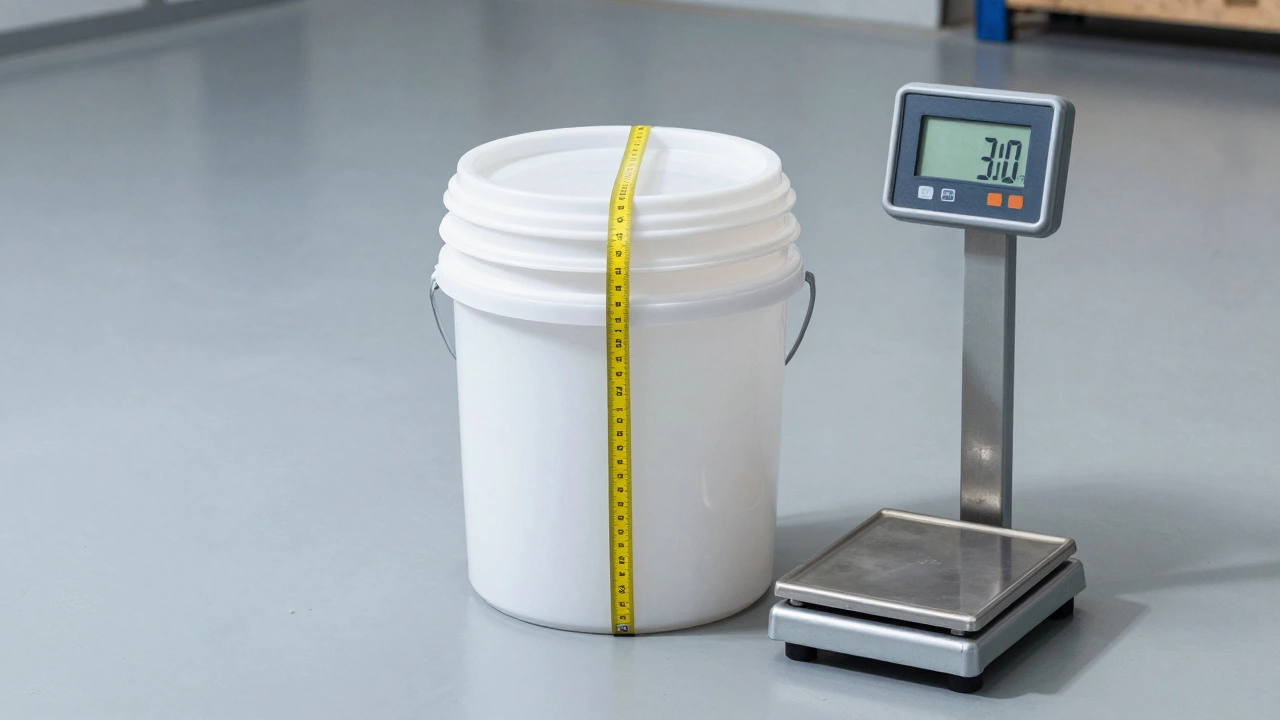
When you ask about the cost to ship a 5-gallon bucket, the first thing a logistics expert will ask is: "What's inside?" A 5-gallon bucket is a standard industrial container typically measuring 12 inches in diameter and 15 inches in height. Because of this volume, you are fighting against dimensional weight.
Most carriers, like FedEx or UPS, use a formula to determine the price. They take the Length x Width x Height and divide it by a divisor (often 139 for international). If that calculated number is higher than the actual weight on the scale, you pay for the higher number. For a bucket in a box, you're likely paying for at least 20-30 lbs of "space" even if the bucket is empty.
Comparing Shipping Methods and Estimated Costs
Depending on your budget and how fast you need the item to arrive, you have a few different paths. Sending a single bucket internationally usually means choosing between a courier or a freight forwarder.
| Method | Average Cost (International) | Speed | Best For... |
|---|---|---|---|
| Express Courier (DHL/FedEx) | $150 - $450 | 3-7 Days | Urgent, high-value contents |
| LTL Freight (Palletized) | $200 - $600 (per shipment) | 10-20 Days | Shipping 4+ buckets at once |
| Postal Service (USPS/Canada Post) | $100 - $300 | 14-30 Days | Non-urgent, light contents |
The Hidden Costs of International Shipping
The sticker price you see on a calculator is rarely the final amount. When moving a bucket across borders, you have to account for Customs Duties and taxes. If you're shipping a bucket of a commercial product, the receiving country will apply a tariff based on the HS Code (Harmonized System code) of the contents.
For example, if you ship a bucket of specialized paint from Toronto to London, the UK customs agency will look at the chemical composition. If it's classified as a hazardous material, you'll need a Material Safety Data Sheet (MSDS). Failing to provide this doesn't just cost you money in fines; it can result in the carrier destroying the shipment at your expense.
How to Pack a Bucket to Avoid Damage
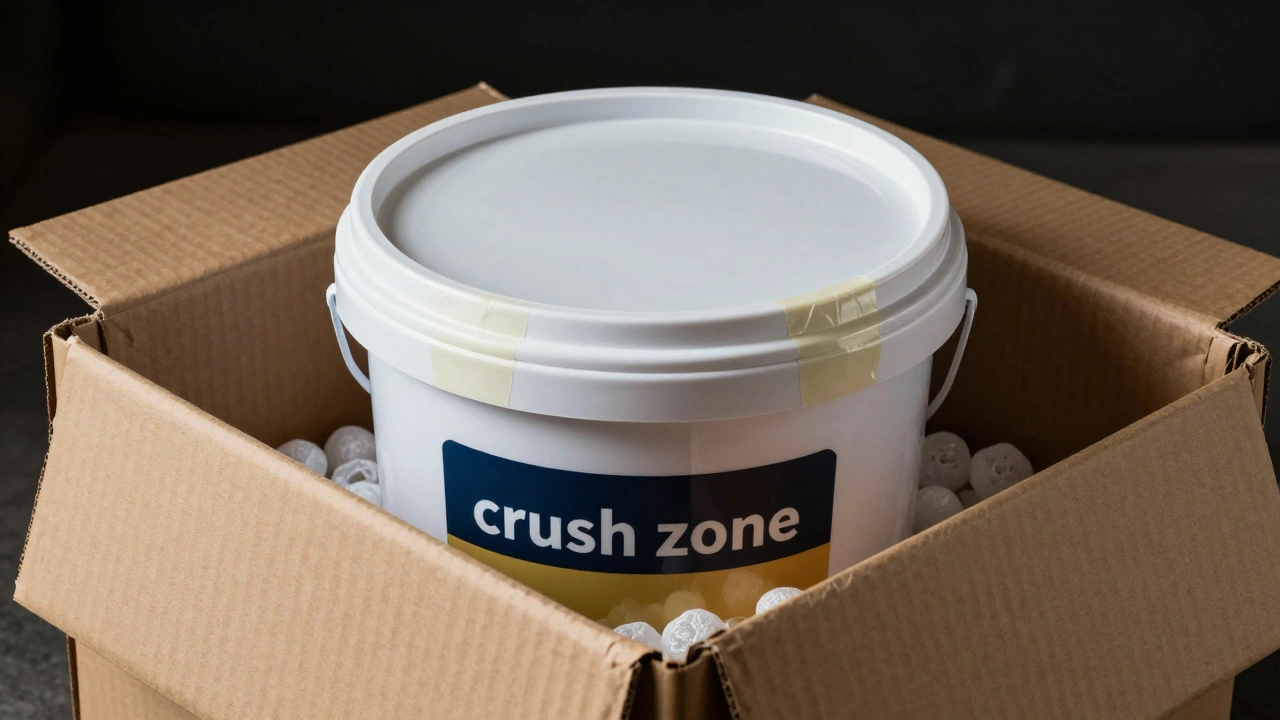
If you just put a bucket in a shipping bag, it will leak or crack. Period. The constant vibration of an airplane or truck, combined with other heavy boxes being stacked on top, creates a "crush zone." To keep your costs down by avoiding insurance claims, follow these steps:
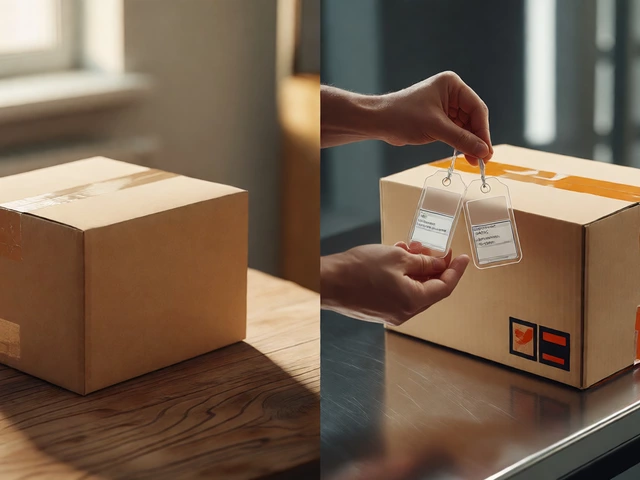
- Seal the Lid: Use heavy-duty packing tape or a shrink-wrap band around the lid. If the contents are liquid, consider a gamma seal lid or a plastic liner inside the bucket.
- The Box Fit: Find a double-walled corrugated box that is at least 2 inches wider than the bucket on all sides.
- Void Fill: Use crumpled kraft paper or biodegradable packing peanuts. The bucket should not move when you shake the box.
- Base Support: Place a piece of thick cardboard at the bottom of the box to distribute the weight and prevent the bucket from punching through the floor.
When to Use LTL Freight Instead of Parcels
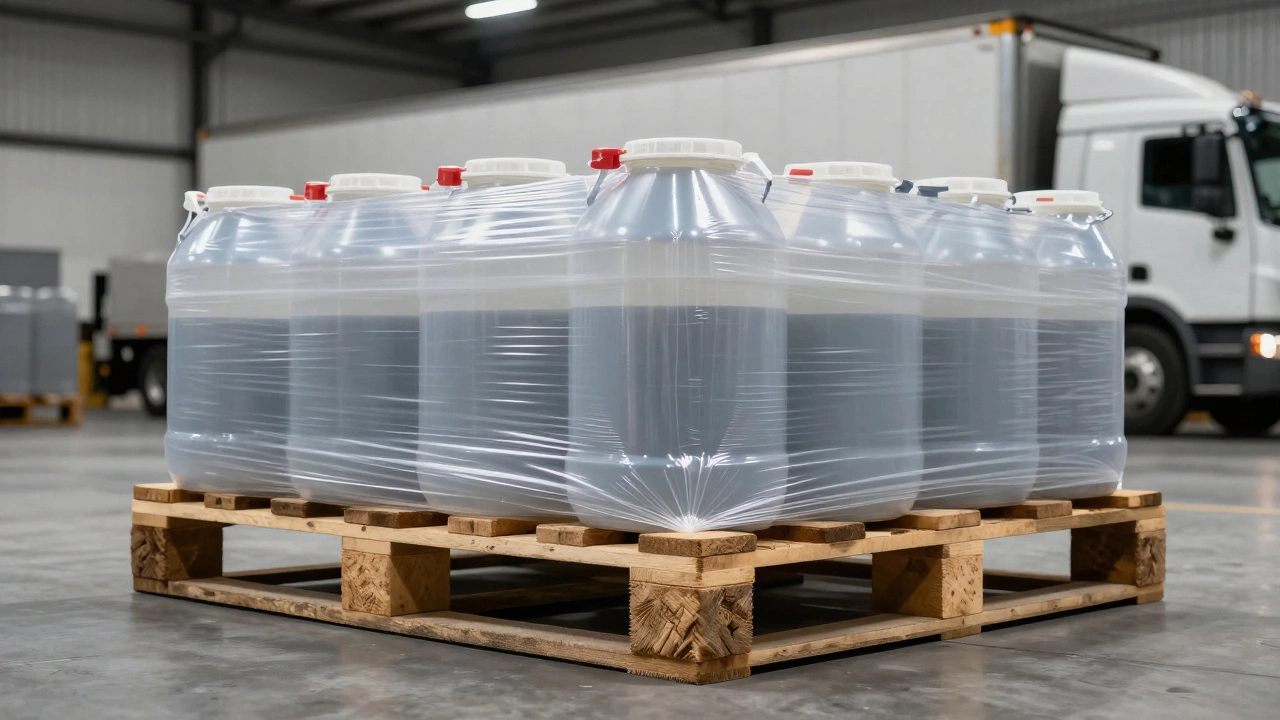
If you are shipping more than two buckets, stop looking at courier prices. You've entered the realm of LTL Shipping (Less Than Truckload). LTL is a method where you pay for a portion of a truck's capacity rather than a per-package rate.
The trick here is the pallet. By securing your buckets to a Wooden Pallet and shrink-wrapping them tightly, you reduce the risk of tipping. While the initial cost of a pallet shipment is higher (often starting around $200), the cost per bucket drops significantly. For instance, shipping ten 5-gallon buckets via LTL might cost $40 per bucket, whereas shipping them individually via a courier could cost $150 each.
Avoiding Common Costly Mistakes
One of the biggest mistakes people make is underestimating the weight of the contents. A 5-gallon bucket filled with something like resin or liquid detergent can easily exceed 50 lbs. Many courier services have a "heavy package" surcharge that kicks in at 50 lbs, adding another $15 to $30 to your bill automatically.
Another pitfall is the "Residential Delivery" fee. If the bucket is going to a home address rather than a commercial warehouse, the carrier adds a surcharge because residential stops are less efficient for their drivers. If you can have the shipment delivered to a local business or a shipping hub, you can shave a bit off the total.
Can I ship a 5-gallon bucket without a box?
Technically, some carriers might accept it, but it's a huge risk. Most international carriers require a sturdy outer box to protect the label and prevent the contents from leaking. If the bucket cracks and leaks on other packages, you could be held liable for the damages.
How does dimensional weight affect my cost?
Dimensional weight is calculated by multiplying the box dimensions (L x W x H) and dividing by a set number. Because buckets are wide and tall, they occupy a lot of cubic space. If your bucket weighs 10 lbs but the box size suggests it should weigh 25 lbs based on the formula, you'll be charged for 25 lbs.
What is the cheapest way to ship a bucket internationally?
For a single, lightweight bucket, national postal services are usually the cheapest, though they are slower. For multiple buckets, LTL freight via a pallet is the most cost-effective way to move the weight without paying astronomical per-item courier fees.
Do I need special paperwork for liquids in a bucket?
Yes. If the liquid is flammable, corrosive, or toxic, you must provide a Material Safety Data Sheet (MSDS) and ensure the package is labeled as hazardous materials (HazMat). Shipping these without proper documentation can lead to heavy fines or shipment seizure.
How much weight can a 5-gallon bucket actually hold?
While the volume is 5 gallons, the weight depends on the density. Water weighs about 8.34 lbs per gallon, so a full bucket is roughly 42 lbs. Heavier materials like sand or metal shavings can push the weight over 70 lbs, which may require special handling or reinforced packaging.
Next Steps for Your Shipment
If you're ready to ship, start by weighing your filled bucket and measuring the box you plan to use. Use a shipping aggregator tool to compare real-time rates between carriers. If you're sending more than three buckets, contact a freight forwarder to get a quote for a palletized LTL shipment. Finally, double-check the customs regulations for the destination country to see if your contents require a specific permit or a detailed commercial invoice to avoid delays at the border.