Courier vs. Postal Service Decision Tool
Configure Your Shipment
Answer the following questions to determine the best delivery method for your needs.
Use this tool to visualize why businesses choose couriers for specific high-stakes shipments despite higher costs. Try changing the settings to see how the recommendation shifts.
Picture this: you order a replacement part for your laptop at 10 AM. By 2 PM, a driver is knocking on your door with the package. You didn’t call a trucking company. You didn’t hire a freight forwarder. You used a delivery courier service that specializes in moving small parcels quickly from point A to point B.
But what exactly is a delivery courier service, and how is it different from the standard mail carrier who leaves a letter in your slot? The distinction matters more than you think, especially if you run an online store or need to send urgent documents.
The Core Definition of a Courier Service
At its simplest, a courier service is a logistics provider that handles the pickup, transport, and delivery of packages, documents, or goods, usually with speed and tracking as primary features. Unlike traditional postal services that rely on mass sorting centers and fixed schedules, couriers operate on a more flexible, often direct route model.
Think of the postal service like a bus system-it runs on set routes, picks up everyone along the way, and drops them off at designated stops. A courier service is more like a taxi or rideshare app. It responds to specific requests, often picks up items directly from your desk or warehouse dock, and delivers them straight to the recipient’s hand.
This model creates a higher level of security and speed. When you hand a package to a courier, it typically stays in one vehicle until it reaches the destination. There are fewer touchpoints, which means less chance for loss or damage. For businesses sending high-value electronics or legal contracts, this reliability is non-negotiable.
Courier vs. Postal Service: What’s the Real Difference?
People often use the terms "shipping" and "courier" interchangeably, but they serve different needs. Understanding the gap between them helps you choose the right partner for your logistics.
| Feature | Courier Service | Traditional Postal Service |
|---|---|---|
| Speed | Same-day, next-day, or express (hours) | Standard ground (3-7 days) or priority (2-3 days) |
| Pickup Method | Door-to-door pickup scheduled by customer | Dropped off at post office or mailbox collection |
| Tracking Detail | Real-time GPS tracking, proof of delivery photos | Basic scan updates, limited visibility |
| Cost Structure | Higher per-package cost, premium pricing | Lower base rate, volume discounts |
| Package Size | Small to medium parcels, documents | Letters, small boxes, some larger items |
If you are sending a birthday card across town, the postal service is fine. But if you are sending a signed contract that must arrive before 5 PM today, or a medical sample that needs temperature control, a courier is the only logical choice. The trade-off is cost. Couriers charge a premium for their speed and personalized handling.
How Courier Services Operate Behind the Scenes
You see the van pulling up to your curb, but the operation behind that delivery is complex. Modern courier services rely on three pillars: technology, routing algorithms, and human drivers.
First, there is the software. When you book a shipment, the courier’s platform calculates the most efficient route. This isn’t just about distance; it accounts for traffic patterns, time windows, and even weather conditions. In cities like Toronto or New York, dynamic routing can save hours of driving time. The system assigns the package to a driver whose current load and location make sense for your stop.
Second, there is the physical network. Most major courier companies don’t own every truck on the road. They use a hub-and-spoke model. Packages are picked up locally, driven to a central sorting facility (the hub), sorted by destination, and then loaded onto vehicles for regional distribution (the spokes). For same-day deliveries, the hub might be a local depot rather than a national center.
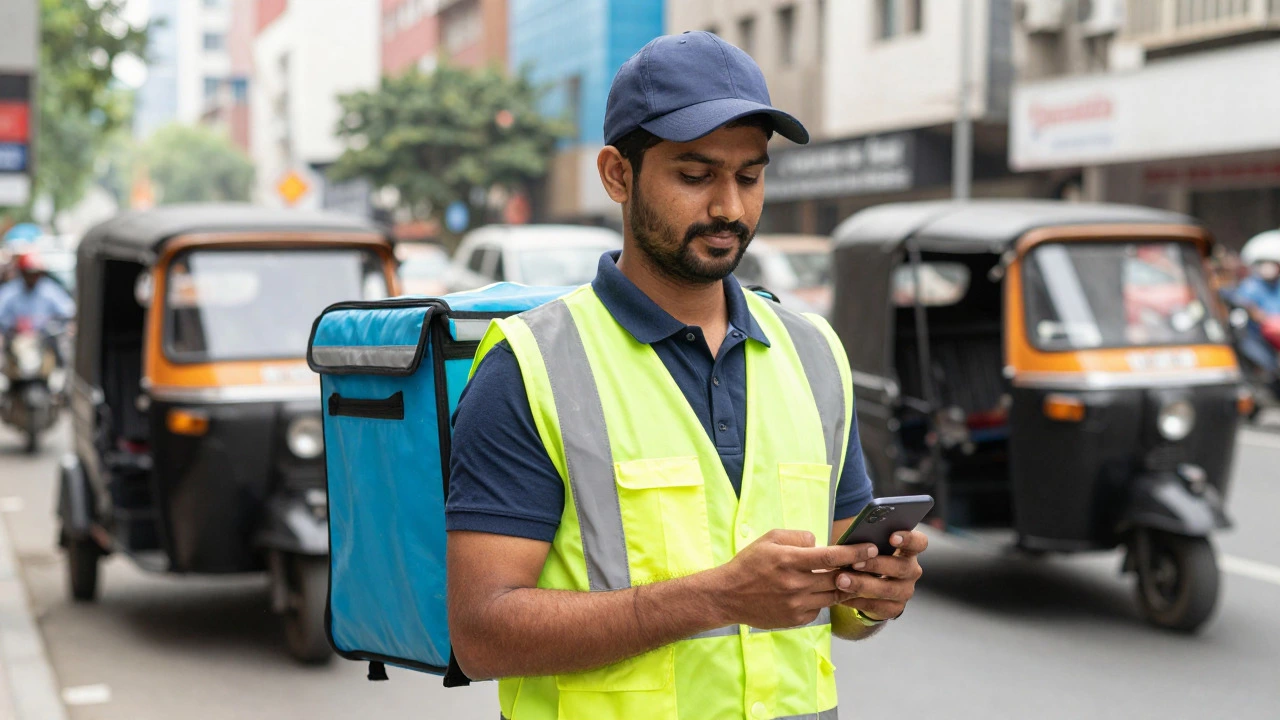
Third, there is the driver. Whether it is a full-time employee or an independent contractor using a gig-economy app, the driver is the face of the service. They handle the "last mile," which is notoriously the most expensive and difficult part of logistics. They deal with parking issues, building access codes, and customers who aren’t home. Good courier services train their drivers to handle these friction points professionally.
Types of Courier Services You Should Know
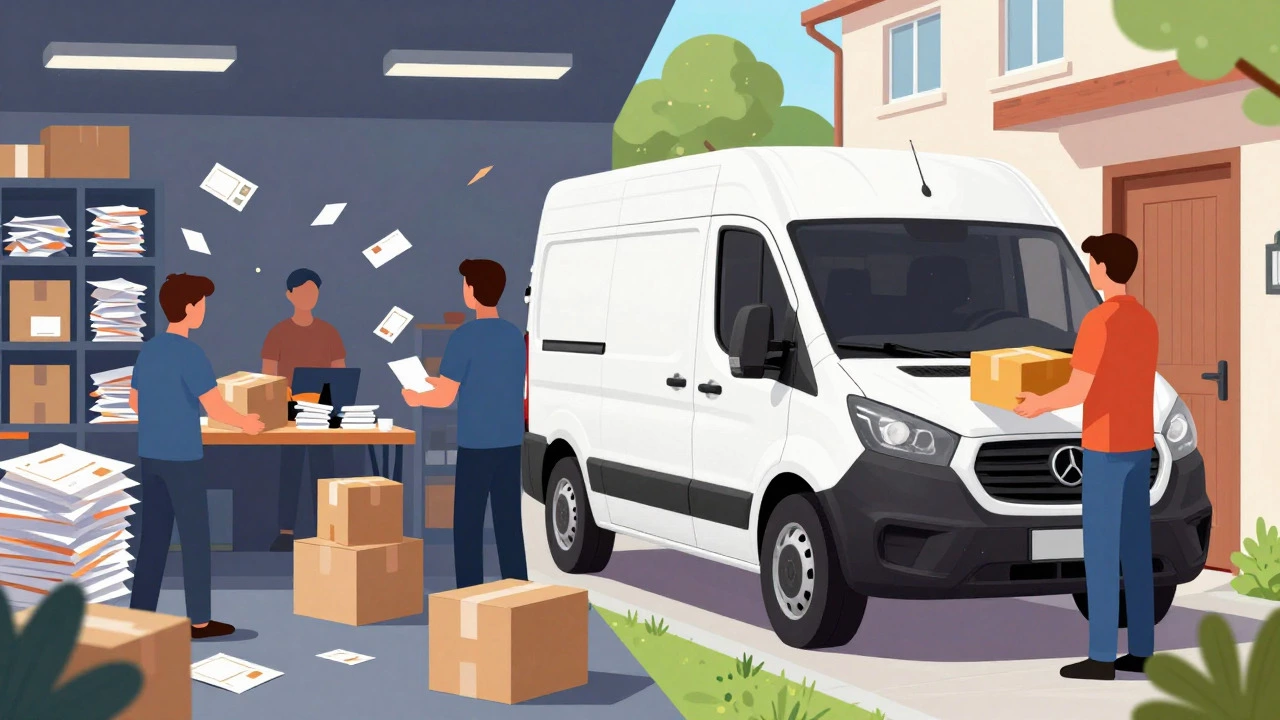
Not all couriers are built the same. Depending on your needs, you might encounter several different models:
- National/Global Carriers: Companies like FedEx, UPS, and DHL dominate this space. They offer extensive networks, meaning they can deliver almost anywhere in the world. They are ideal for e-commerce businesses that ship nationwide or internationally. Their strength is scale and consistency.
- Last-Mile Specialists: These companies focus solely on the final leg of delivery. Often, they partner with larger carriers who handle the long-haul transport, while the specialist handles the local drop-off. This is common in dense urban areas where large trucks cannot navigate narrow streets.
- On-Demand/Gig Couriers: Think of apps like Uber Connect or DoorDash Drive. You request a pickup via smartphone, and a nearby driver grabs your item. This is perfect for individual users needing to send a single document or package urgently within a city. It lacks the infrastructure for heavy commercial volume but wins on immediacy.
- Specialized Couriers: Some services handle only specific types of cargo. Medical couriers transport blood samples and organs with temperature-controlled containers. Art handlers move fragile sculptures. Legal messengers carry confidential documents with chain-of-custody protocols.
Choosing the wrong type can lead to delays or extra fees. If you are a small business sending five packages a day locally, a national carrier might be overkill and too expensive. A local on-demand service would likely be faster and cheaper.
Why Businesses Rely on Courier Services
For consumers, couriers are a convenience. For businesses, they are a critical operational tool. Here is why companies integrate courier services into their supply chains:
Customer Expectations: In 2026, shoppers expect fast delivery. Amazon popularized two-day shipping, but now same-day and next-day are becoming standard. If your website offers free shipping but it takes ten days, you lose sales to competitors who use courier networks to fulfill orders quickly.
Inventory Management: Many retailers use courier services to move stock between warehouses. If Store A runs out of blue jeans, a courier can transfer inventory from Store B within hours. This reduces the need for each location to hold massive safety stocks, freeing up capital and space.
Returns Processing: Returns are a headache for e-commerce. Courier services offer reverse logistics solutions. They pick up returned items from customers, inspect them if necessary, and return them to the seller’s warehouse. This streamlines the refund process and keeps customers happy.
B2B Transactions: Manufacturers often need parts delivered just-in-time to keep assembly lines running. A delayed component can shut down a factory costing thousands of dollars per hour. Courier services provide the reliability needed to prevent these costly stoppages.
Key Factors to Consider When Choosing a Courier
Selecting a courier partner is not just about picking the lowest price. You need to evaluate several factors to ensure they fit your business model.
- Coverage Area: Does the courier deliver to your target customers? If you sell rural customers, a city-focused gig courier won’t help. Check their service map carefully.
- Tracking Technology: Do they offer real-time tracking? Can you share a link with your customer so they know exactly when the package will arrive? Transparency reduces customer service calls.
- Insurance and Liability: What happens if a package is lost or damaged? Standard coverage is often low. Ensure the courier offers adequate insurance options for high-value items.
- Integration Capabilities: If you run an online store, does the courier integrate with your e-commerce platform (like Shopify or WooCommerce)? Automated label printing and rate calculation save hours of manual work.
- Flexibility: Can they handle peak seasons? During holidays, demand spikes. A good courier has contingency plans to handle increased volume without breaking down.
It is also wise to test multiple providers. Send a few test shipments with different couriers to compare actual delivery times, driver professionalism, and ease of booking. Don’t rely solely on marketing promises.
The Future of Courier Delivery
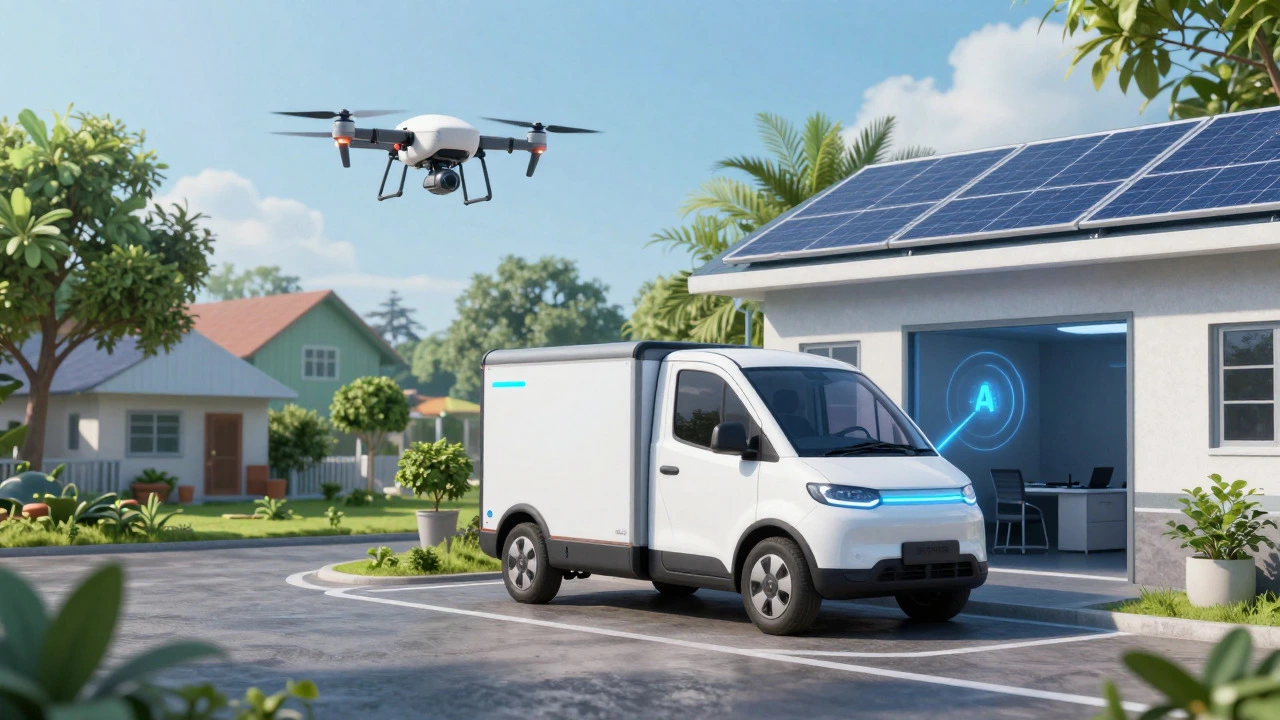
The industry is evolving rapidly. Automation is playing a bigger role. Drones are being tested for remote deliveries, though regulatory hurdles remain. Electric vehicles are becoming standard for urban fleets to reduce emissions and meet city regulations. In Toronto, for example, many courier companies are transitioning to EVs to comply with green zones.
Another trend is micro-fulfillment centers. Instead of shipping from a distant warehouse, couriers work with small storage units located in neighborhoods. This allows for sub-two-hour deliveries. As consumer patience shrinks, these hyper-local models will become more common.
Artificial intelligence is improving route optimization further. AI predicts traffic jams before they happen and adjusts routes dynamically. This means faster deliveries and lower fuel costs, which can eventually translate to better prices for customers.
Is a courier service the same as a shipping company?
Not exactly. While both move goods, "shipping" often refers to bulk freight or standard postal services that prioritize cost over speed. Courier services focus on smaller parcels, faster delivery times, and door-to-door handling with detailed tracking. Think of shipping as moving furniture and courier as delivering a passport.
How much does a courier service cost compared to regular mail?
Courier services are generally more expensive. Prices vary by distance, weight, and speed. A same-day local courier might cost $15-$30 per package, while standard postal shipping could be under $5. However, for urgent or high-value items, the premium is worth the security and speed.
Can I track my courier package in real-time?
Most modern courier services offer real-time GPS tracking. Once the driver picks up your package, you can often see their location on a map and get an estimated time of arrival. This level of transparency is rare with traditional postal services.
What should I do if my courier package is lost?
Contact the courier immediately. Most have a claims process for lost or damaged items. Keep your receipt and any proof of value. If you purchased additional insurance, file a claim through that channel. Reputable couriers resolve these issues quickly to maintain trust.
Are courier services environmentally friendly?
The industry is shifting toward sustainability. Many companies are using electric vehicles, optimizing routes to reduce fuel consumption, and offering carbon-neutral shipping options. However, the environmental impact depends on the specific provider and their fleet policies. Look for couriers with published green initiatives.