Courier Industry Matchmaker
Select your primary business sector or shipment priority to see which courier characteristics match your operational needs.
E-Commerce Retail
High volume consumer goods. Need speed & tracking.
Volume: High Cost Sensitivity: MedHealthcare
Specimens, meds, blood products. Critical time slots.
Priority: Life-Critical Regulation: HighLegal Firms
Contracts, court filings. Security & proof of delivery.
Urgency: High Security: StrictFinancial Services
Cash, checks, securities. Armored transport.
Value: High Risk: TheftManufacturing
Spare parts, prototypes. Prevent downtime.
Response: Immediate Reliability: CrucialGeneral SMB
Occasional urgent shipments. On-demand apps.
Flexibility: High Contract: NoneSelect an Industry Above
ReadyClick on a card to view detailed courier requirements, cost drivers, and key benefits for that specific industry.
You might think courier services are just for people who forgot their lunch at home. But that’s a tiny slice of the pie. In reality, specific industries rely on same-day and next-day delivery as a core part of their business model. If you’re wondering who actually keeps these drivers busy, it’s not your average shopper-it’s hospitals, law firms, and online retailers.
Understanding who uses these services helps you see why pricing varies so wildly. A pizza delivery driver isn’t handling the same liability as someone transporting a liver transplant or signed court documents. Let’s break down the heavy hitters in the courier world, starting with the biggest volume driver: retail.
E-Commerce Retailers Drive Volume
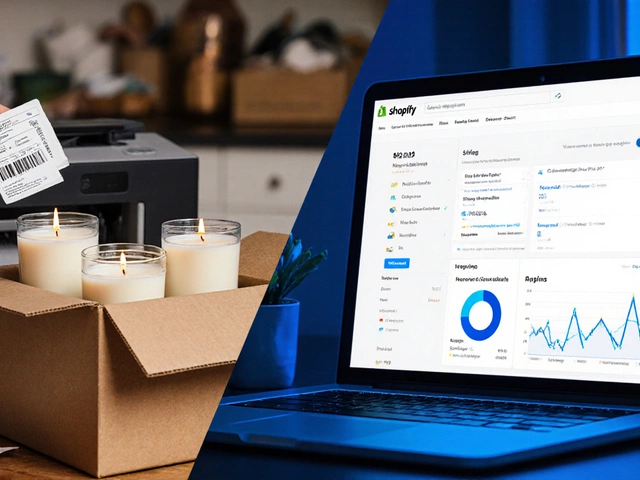
If you look at sheer numbers, E-commerce is the undisputed king of courier usage. The shift from brick-and-mortar shopping to online ordering created a massive demand for last-mile delivery. Companies like Amazon set the expectation for two-day or even one-day shipping, forcing smaller retailers to follow suit.
For small and medium-sized businesses (SMBs), using a courier service is often more cost-effective than maintaining their own fleet. They need reliability without the overhead of vehicles and insurance. When an SMB sends out 50 packages a day, they aren’t hiring a full-time driver; they’re contracting a local courier network. This sector values speed and tracking above all else. Customers want to know exactly when their new shoes will arrive. If the courier fails, the retailer gets the bad review, not the shipping company.
- High Frequency: Daily pickups are standard for active stores.
- Volume Discounts: Retailers negotiate rates based on consistent daily volume.
- Tracking Needs: Real-time updates are non-negotiable for customer satisfaction.
Healthcare Needs Precision, Not Just Speed
While retail moves boxes, Healthcare moves life-or-death items. Hospitals, clinics, and laboratories use courier services for specimens, blood products, medications, and medical equipment. Unlike retail, a late package here can mean a misdiagnosis or a delayed surgery.
Medical couriers operate under strict regulations. They need temperature-controlled containers for vaccines or insulin. They require chain-of-custody documentation to prove who touched the sample and when. A standard FedEx drop-off won’t cut it for a biopsy specimen going from a rural clinic to a specialized lab in Toronto. These clients pay a premium for guaranteed time slots and trained handlers. If you’ve ever seen a bike messenger racing through traffic with a red cooler box, that’s likely a medical courier fulfilling a critical order.
| Industry | Primary Item Type | Key Requirement | Cost Sensitivity |
|---|---|---|---|
| E-Commerce | Consumer Goods | Speed & Tracking | Medium |
| Healthcare | Samples/Meds | Chain of Custody | Low (Priority) |
| Legal | Documents | Security & Proof | Low (Urgency) |
| Manufacturing | Parts/Prototypes | Reliability | Medium |
Legal Firms Rely on Secure Document Transfer
Lawyers are notorious for needing things done yesterday. Whether it’s filing a motion before a court deadline or delivering a signed contract to opposing counsel, Legal Couriers provide a secure alternative to email or regular mail. In many jurisdictions, physical delivery still holds weight for certain legal notices.
The main concern here is security and proof of delivery. A lawyer can’t afford to have a confidential settlement agreement lost in transit. Legal couriers often offer signature-required deliveries and tamper-evident packaging. They also handle sensitive information, meaning drivers are vetted and trained on privacy protocols. For big firms in downtown hubs, having a dedicated account with a reliable courier firm saves partners hours of administrative stress. It’s not about saving money; it’s about avoiding malpractice risks.

Financial Institutions Move Cash and Checks
Believe it or not, cash is still moving around. Banks, credit unions, and armored car services fall under the broader umbrella of specialized courier work. While ATMs handle consumer withdrawals, inter-branch transfers and large deposits still require physical transport. Financial Services use couriers to move checks, currency, and valuable securities between branches and clearing houses.
This sector demands high security. Vehicles are often armored, and drivers undergo rigorous background checks. The risk of theft or loss is higher, so insurance coverage is much deeper than what you’d get with a standard parcel delivery. For smaller financial institutions, outsourcing this logistics need allows them to focus on customer service rather than managing a security fleet. The frequency might be lower than retail, but the value per shipment is astronomical.
Manufacturing and Automotive Keep Lines Running
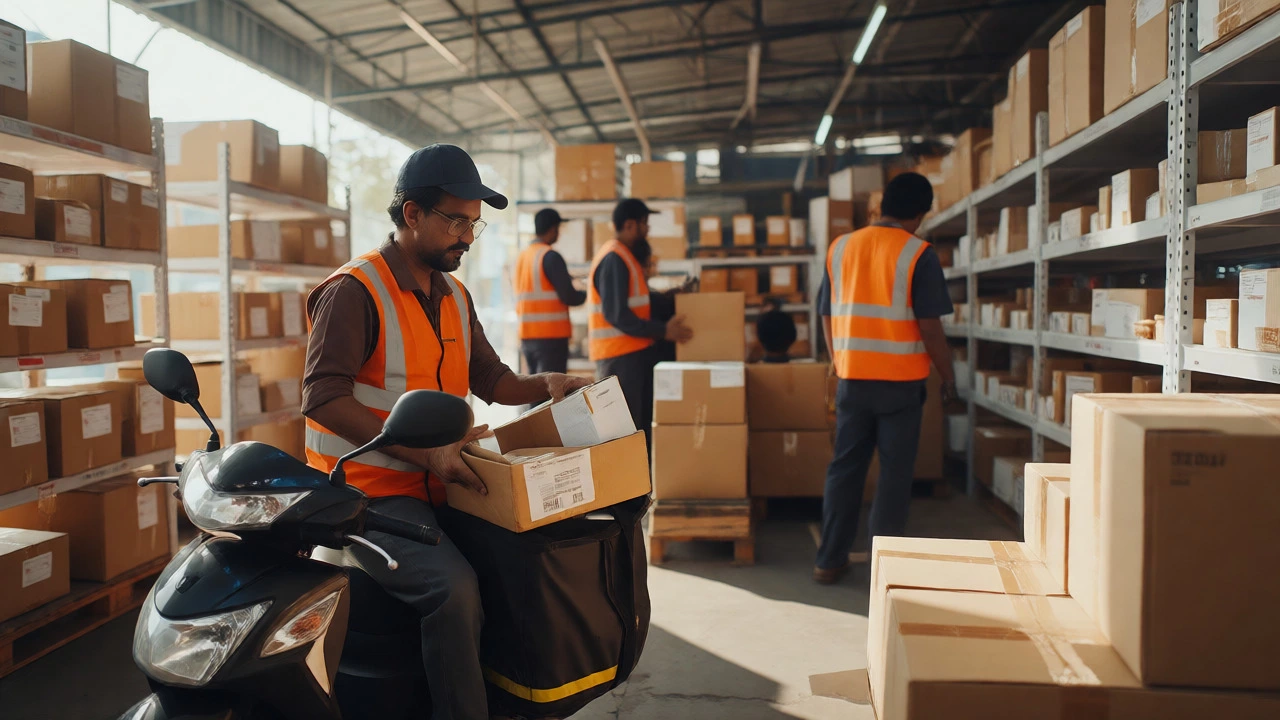
In manufacturing, downtime costs thousands of dollars per hour. If a machine breaks because a spare part is missing, production stops. That’s why Manufacturing plants lean heavily on emergency courier services. They need parts delivered within hours, not days.
Automotive dealerships also use couriers frequently. When a customer orders a custom part for a repair, waiting three days for standard shipping means the car sits idle. Dealerships often partner with local courier networks to pull parts from regional warehouses instantly. This “hot shot” delivery ensures technicians stay productive. The relationship here is built on trust and response time. A manufacturer knows which courier will answer the phone at 2 AM if a line goes down.

Why Do These Industries Choose Couriers Over Standard Shipping?
It comes down to control. Standard postal services or major carriers like UPS or DHL are optimized for bulk efficiency. They have fixed routes and schedules. Couriers offer flexibility. If you need a document across town in 45 minutes, a courier can reroute instantly. If you need a fragile prototype handled with care, a courier can assign a single driver who stays with the package until it’s handed over.
Moreover, direct communication matters. In B2B relationships, calling a dispatcher and getting immediate answers beats navigating an automated phone tree. Businesses that rely on just-in-time inventory models cannot tolerate the unpredictability of mass-market shipping. They pay for the certainty that their goods will arrive exactly when promised.
How Technology Changed Who Uses Couriers
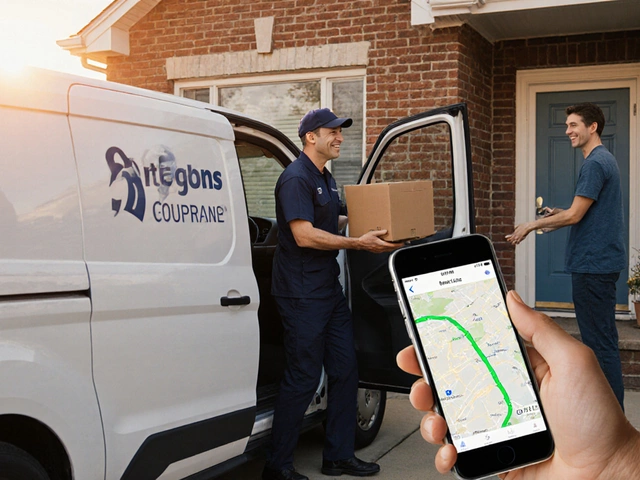
Ten years ago, finding a courier meant calling a dispatch office and hoping for the best. Today, apps and platforms have democratized access. Small businesses that couldn’t previously justify a courier contract now use on-demand apps for occasional urgent shipments. This has expanded the user base beyond traditional corporate accounts.
However, the heavy users remain the same. Large enterprises still prefer contracted fleets or dedicated accounts because they need predictable billing and integrated software solutions. APIs allow companies to plug courier tracking directly into their own systems. This level of integration is crucial for ERP systems in manufacturing or patient record systems in healthcare. The tech layer doesn’t change who needs the service; it just makes it easier to book.
Which industry spends the most on courier services?
E-commerce typically spends the most due to high volume, but healthcare and finance spend more per shipment due to security and speed requirements. The total dollar amount often favors retail, while profit margins favor specialized sectors.
Do small businesses use courier services?
Yes, increasingly so. On-demand courier apps allow small businesses to send urgent packages without long-term contracts. However, established SMBs with steady volume often negotiate better rates with local courier firms.
What is the difference between a courier and a standard carrier?
Couriers typically offer faster, door-to-door service with direct routing and real-time tracking. Standard carriers consolidate shipments in hubs, which takes longer but is cheaper for non-urgent goods. Couriers prioritize speed and security; carriers prioritize cost-efficiency.
Is medical courier service expensive?
Yes, it is generally more expensive than standard delivery. Costs reflect specialized training, temperature-controlled equipment, regulatory compliance, and higher insurance premiums required for handling biological samples or medications.
Can I use a courier for international shipping?
Local couriers usually handle domestic last-mile delivery. For international shipments, they often partner with global freight forwarders or airlines. Some specialized international couriers exist, but they are less common than domestic same-day services.