E-commerce Readiness Assessment
Take this quick assessment to determine if it's time to transition from online selling to e-commerce. Based on your current business situation, we'll provide personalized recommendations.
Your Assessment Results
People use the terms e-commerce and online selling like they mean the same thing. They don’t. Mixing them up can cost you time, money, and clarity-especially when you’re trying to scale your business or pick the right tools. If you’re running a small shop on Etsy or selling a few items on Facebook Marketplace, you’re doing online selling. But if you’re running a full digital storefront with inventory management, automated shipping rules, and customer data tracking, you’re running e-commerce. The difference isn’t just semantics-it’s strategy.
What Is Online Selling?
Online selling is any transaction where you list a product and get paid over the internet. It’s simple, often one-off, and doesn’t need a system. Think of it like setting up a lemonade stand on a street corner-but instead of a sidewalk, you’re using Instagram, eBay, or Amazon.
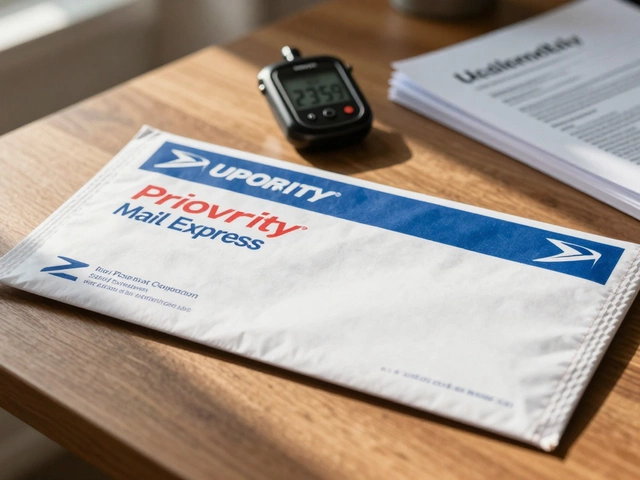
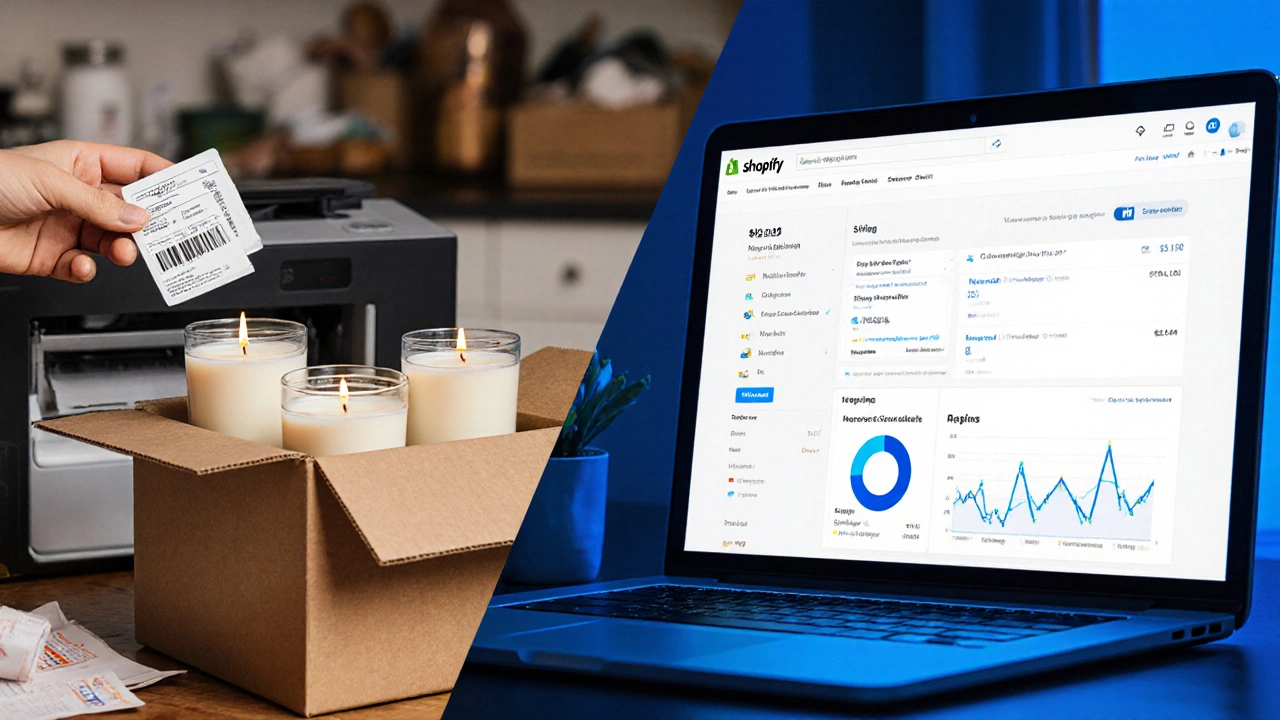
Someone posts a photo of handmade candles on Pinterest, gets a DM, sends an invoice via PayPal, ships the order in a padded envelope, and calls it done. No website. No CRM. No analytics. Just a person selling something they made or found. That’s online selling. It’s low barrier, flexible, and perfect for side hustles. But it doesn’t scale well. Every sale is a manual task. You’re not building a business-you’re running a series of transactions.
Platforms like Etsy, Depop, and Facebook Marketplace make this easy. You don’t need to code, hire developers, or buy software. But you’re also stuck inside their rules. They control your pricing, your visibility, your fees, and even your customer data. If they change their algorithm, your sales drop overnight.
What Is E-Commerce?
E-commerce is a system. It’s not just selling online-it’s running a business that’s built for online sales from the ground up. You own your store. You control your brand, your pricing, your shipping methods, your customer relationships, and your data.
Think of Shopify, WooCommerce, or BigCommerce. These aren’t just websites. They’re platforms that connect payment gateways, inventory trackers, tax calculators, email automations, and shipping carriers into one workflow. When someone buys a pair of sneakers from your Shopify store, the system automatically:
- Reduces stock in your warehouse
- Generates a shipping label through your carrier
- Sends a confirmation email
- Updates your accounting software
- Logs the customer’s behavior for future ads
That’s e-commerce. It’s automated, measurable, and scalable. You’re not just selling-you’re operating a machine designed to repeat itself efficiently.
Why the Confusion Exists
The confusion comes from overlap. Both involve selling products over the internet. Both use credit cards. Both need packaging and shipping. But that’s like saying a bicycle and a delivery truck are the same because they both move things from point A to point B.
Amazon is a marketplace where sellers do online selling. But Amazon itself runs e-commerce. It has warehouses, fulfillment centers, return systems, AI-driven recommendations, and data pipelines that track every click, cart abandonment, and delivery delay. A small seller on Amazon is doing online selling. Amazon is running e-commerce.
Even big brands blur the lines. Nike sells through its own website (e-commerce) and also through Amazon (online selling). They’re not the same thing-they’re two different channels with different costs, risks, and rewards.
Logistics: The Hidden Divide
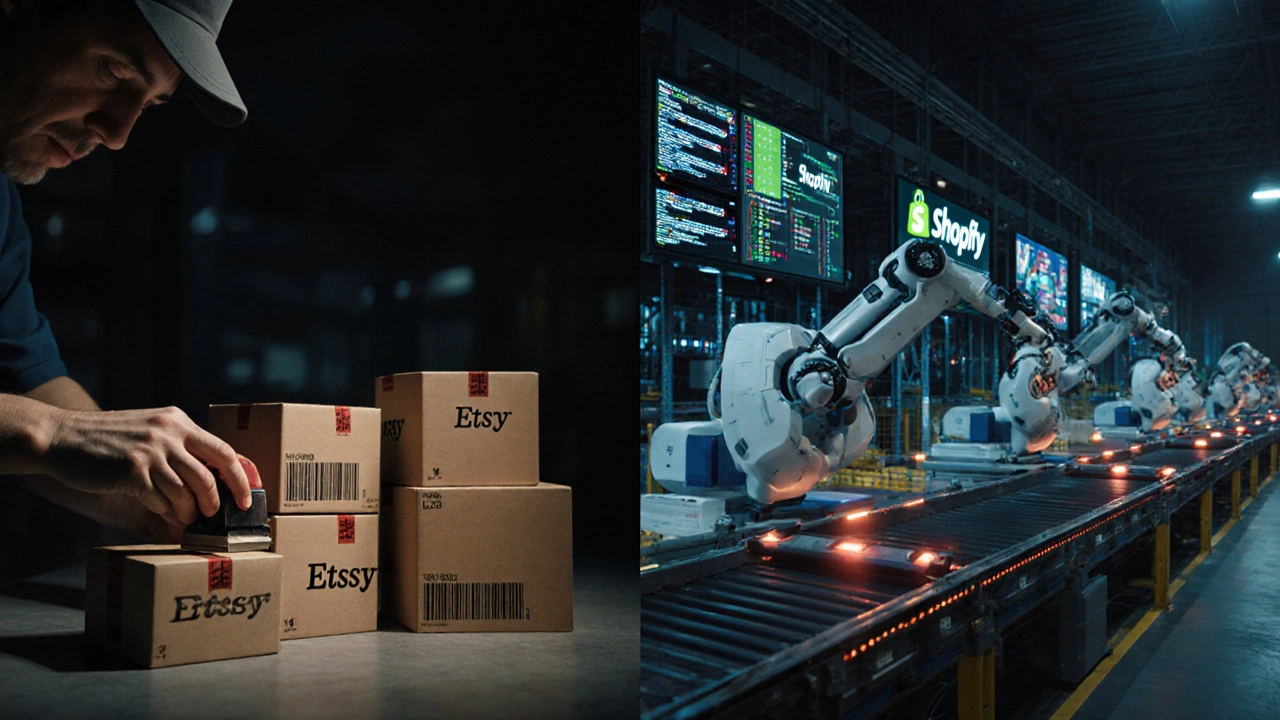
If you’re thinking about logistics, the difference becomes even clearer. Online sellers often ship via standard postal services like USPS or local couriers. They print labels manually. They pack orders in cardboard boxes from the dollar store. They check tracking numbers by hand.
E-commerce businesses? They use integrated logistics platforms. They negotiate bulk rates with FedEx, UPS, or regional carriers. They use software like ShipStation or Easyship to auto-generate labels, track inventory across warehouses, and calculate real-time shipping costs. They set up return labels that customers can print themselves. They sync stock levels between their online store and their warehouse management system.
One seller ships 50 orders a week. The other ships 5,000. The tools, the processes, the cost per unit-they’re worlds apart. You can’t run a high-volume e-commerce business with manual shipping. The errors pile up. The customers get frustrated. The returns explode.
Which One Should You Choose?
Start with online selling if:
- You’re testing a product idea
- You have fewer than 20 sales a month
- You don’t want to invest in tech or systems
- You’re selling handmade, vintage, or unique items
Move to e-commerce if:
- You’re selling the same product repeatedly
- You want to build a brand, not just make sales
- You’re hitting 100+ orders a month
- You need to track customer behavior or run retargeting ads
- You’re planning to scale beyond one platform
Many businesses start with online selling. That’s fine. But if you’re growing, you’ll hit a wall. You’ll spend more time packing orders than making them. You’ll lose customers because you can’t offer fast shipping. You’ll miss data that tells you what’s selling and why. That’s when you upgrade.
Real-World Example: From Etsy to Shopify
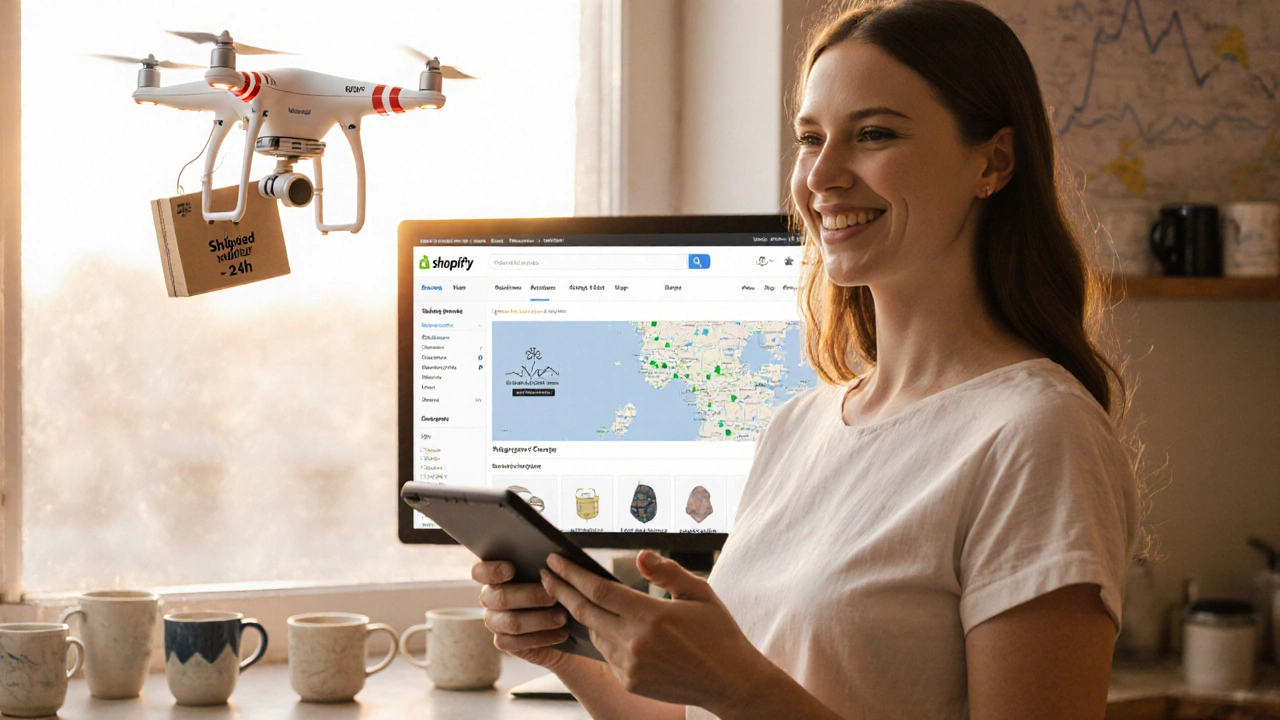
A ceramic artist in Portland started selling mugs on Etsy in 2023. She made $1,200 a month. She answered every DM. She printed labels by hand. She had no idea who her customers were.
In early 2024, she launched her own Shopify store. She kept Etsy as a side channel. Within six months, her direct sales hit $5,800 a month. Why? Because she could:
- Offer free shipping over $50 (Etsy didn’t let her control that)
- Collect emails and send post-purchase thank-you notes
- Run Facebook ads targeting people who visited her site
- Use a fulfillment center to ship orders in 24 hours
She didn’t stop online selling-she added e-commerce on top of it. That’s the smart move.
Final Thought: It’s Not Either/Or
You don’t have to pick one. Most successful sellers use both. But you need to know which is which. Online selling is your testing ground. E-commerce is your growth engine. Confusing them means you’ll either stay stuck in the beginner phase or burn out trying to scale without the right tools.
Ask yourself: Are you selling products-or running a business? If it’s the latter, you’re not just doing online selling. You’re running e-commerce. And that changes everything.
Is Etsy considered e-commerce?
No, Etsy is an online selling platform. It’s a marketplace where individuals list products. The seller doesn’t own the storefront, the customer data, or the shipping infrastructure. True e-commerce means you control your own website, domain, and systems-like Shopify or WooCommerce. Etsy sellers are doing online selling, even if they’re making good money.
Can you do e-commerce without a website?
Technically, yes-but it’s not real e-commerce. If you’re selling through Amazon, Instagram Shopping, or TikTok Shop, you’re still using someone else’s platform. You’re missing out on brand control, customer ownership, and logistics automation. You might be generating sales, but you’re not building a scalable business system. A true e-commerce setup requires your own digital storefront.
Do I need special software for e-commerce?
You don’t need enterprise software, but you do need tools that connect your sales, inventory, and shipping. Platforms like Shopify, BigCommerce, or WooCommerce include these by default. Without them, you’ll be manually updating spreadsheets, printing labels one by one, and losing track of returns. That’s not scalable. Even small e-commerce businesses benefit from integrated systems.
What’s the biggest mistake people make mixing these up?
They think more sales equals more growth. But if you’re selling on 10 marketplaces with no central system, you’re not growing-you’re spreading yourself thin. You can’t track your profit margins, optimize shipping, or build customer loyalty. The real growth comes from owning your channel and automating your operations-not just listing more products.
Can online selling turn into e-commerce?
Absolutely. Many successful e-commerce brands started as side hustles on Facebook or Etsy. The key is recognizing when you’re ready to upgrade. If you’re spending more time on logistics than on product development, it’s time to build your own store. You don’t need to quit your marketplace channels-you just need to add a direct-to-consumer channel that you control.