Shipping Cost Estimator & Carrier Selector
Package Details
Estimated Rates
The Truth About Finding the Cheapest Courier
There is no single answer to which courier is the cheapest. If you are sending a letter-sized envelope across town, one service wins. If you are mailing a heavy box to another continent, a completely different company offers the best rate. The cost of shipping depends on three main factors: weight, distance, and speed.
In 2026, the landscape of logistics has shifted again. Traditional giants like USPS, UPS, and FedEx still dominate, but regional carriers and digital freight marketplaces have squeezed their margins. For most people, "cheap" means getting the item there without paying for features they don't need, like next-day delivery or signature confirmation.
To find the lowest price, you first need to understand how couriers calculate their bills. It isn't just about how heavy your package is. It's about how much space it takes up in the truck. This concept, known as dimensional weight, often surprises new shippers. A large, light box might cost more to ship than a small, dense one because it occupies valuable cargo space.
How Couriers Calculate Shipping Rates
Before comparing prices, you must know what you are paying for. Most major carriers use a hybrid pricing model based on actual weight and dimensional weight. They take whichever number is higher.
- Actual Weight: The physical weight of the package on a scale.
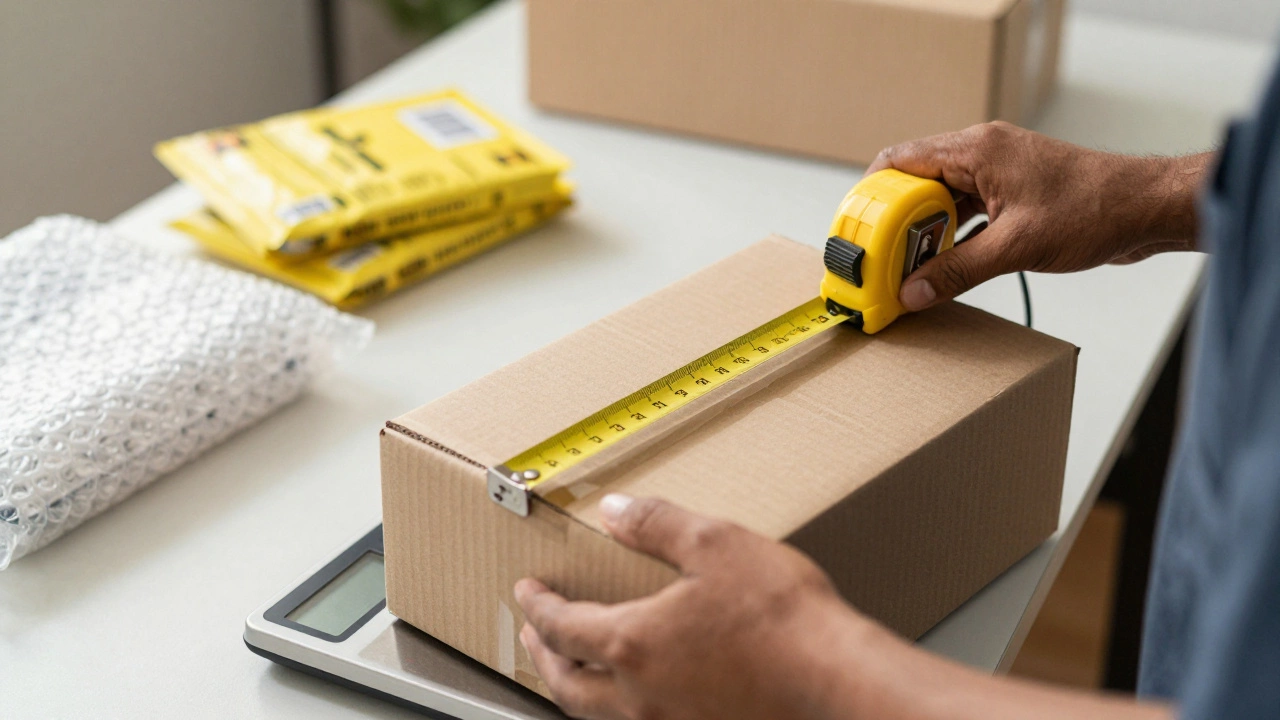
- Dimensional (Dim) Weight: Calculated by multiplying length x width x height and dividing by a divisor (usually 139 or 166). This charges you for air inside the box.
- Zones: The distance between the origin zip code and the destination zip code. Zone 1 is local; Zone 8 is cross-country.
- Fuel Surcharges: A percentage added to the base rate that fluctuates with global oil prices.
If you want the absolute cheapest rate, you need to minimize all three variables. Use the smallest box possible. Ship to nearby zones when possible. And avoid peak seasons like November and December, when surcharges spike.
The Big Three: USPS, UPS, and FedEx
For domestic shipping within North America, these three companies control the majority of the market. Each has a specific niche where they offer the best value.
USPS (United States Postal Service) is the government-owned postal operator that provides universal service obligation. Also known as The Post Office, it is generally the cheapest option for packages under 2 pounds. Their "Ground Advantage" service replaced First Class Package and Priority Mail Ground, offering a flat-rate structure that is hard to beat for small items. However, tracking can sometimes be less precise than private carriers, and delivery times vary widely by location.
UPS (United Parcel Service) is a global leader in package delivery and supply chain management. Known for its reliability and extensive network, UPS often offers competitive rates for heavier packages (over 5 lbs) through their "Ground" service. They provide excellent tracking and customer service, but their base rates are high. The trick is to never pay list price; negotiated discounts or third-party platforms can cut UPS rates by 40-70%.
FedEx is a multinational delivery services company specializing in overnight and express shipping. While famous for speed, FedEx also has a "Ground Economy" service that competes directly with UPS Ground. For medium-sized packages (2-10 lbs), FedEx can sometimes undercut USPS if you use their discounted online rates. They are particularly strong for shipments requiring reliable residential delivery windows.
| Carrier | Best For | Weakness | Avg. Discount Potential |
|---|---|---|---|
| USPS | Light items (<2 lbs), Documents | Heavy packages, Remote areas | Low (Public rates are standard) |
| UPS | Heavy items (>5 lbs), Business-to-Business | Small envelopes, High base rates | High (Up to 70% off list) |
| FedEx | Medium items, Residential deliveries | Very light items, Complex customs | High (Up to 60% off list) |

The Rise of Regional Carriers
If you are shipping domestically, especially within the US, ignoring regional carriers is a mistake. Companies like LaserShip (now OnTrac), LSO, and local postal networks often fill the "last mile" gap for the big guys. But you can also book directly with them.
Regional carriers operate in specific geographic zones. Because they don't have to maintain a nationwide aircraft fleet, their overhead is lower. This translates to cheaper rates for short-to-medium distances. For example, shipping from New York to Chicago via a regional carrier might be 30% cheaper than using national ground services. The trade-off is limited coverage. If your recipient is outside their zone, they will hand off the package to a national partner, which adds time and potential fees.
Digital Freight Marketplaces: The Secret Weapon
This is where the real savings happen in 2026. Platforms like Pirate Ship, Shippo, EasyPost, and Sendle act as aggregators. They buy shipping volume in bulk and pass those discounts to individual users.
You do not need a massive e-commerce store to use them. These platforms allow you to compare rates from USPS, UPS, and FedEx side-by-side in seconds. Often, the cheapest rate available is a UPS or FedEx label purchased through a marketplace at a deeply discounted commercial price. You might see a $15 package drop to $6 simply by buying the label online instead of walking into a post office.
International Shipping: Where Costs Explode
Cross-border shipping introduces customs duties, taxes, and complex regulations. The "cheapest" international courier is rarely the fastest, and vice versa.
For documents and small packets under 4 lbs, USPS International remains the most affordable entry point for global mail. Their Global Express Guaranteed is expensive, but their First-Class International Package Service is unbeatable for low-value items. Just be aware that delivery can take 2-4 weeks, and tracking stops once the package leaves the US.
For heavier international shipments, DHL Express is a German multinational logistics company specializing in international shipping. Unlike domestic shipping, DHL dominates the international express market due to its vast air network. While their upfront rates look high, they include customs clearance assistance, which saves money and headaches if your package gets stuck at border control. For non-urgent, heavy freight, consider FedEx International Economy or UPS Worldwide Saver, which balance cost and speed better than premium express options.

Hidden Fees That Kill Your Budget
A low base rate can turn into a bill shock if you ignore ancillary fees. Here is what to watch out for:
- Residential Delivery Surcharge: UPS and FedEx charge extra (often $3-$10) to deliver to a home address instead of a business. USPS does not.
- Oversize Fees: Packages over certain dimensions (e.g., 130 inches long + girth) incur steep penalties. Always measure accurately.
- Fuel Surcharges: These change weekly. In 2026, with volatile energy markets, this can add 10-20% to your bill.
- Return Label Fees: If you sell products, factor in the cost of returns. Some carriers offer free return labels for eligible customers.
Strategies to Lower Shipping Costs
Finding the cheapest courier isn't just about picking a name; it's about optimizing your process. Here are actionable steps to reduce costs immediately.
- Right-size your packaging: Buy boxes that fit your product snugly. Every inch of empty space increases dimensional weight.
- Use poly mailers: For soft goods like clothing, switch from boxes to padded envelopes. They weigh less and often qualify for cheaper "First Class" rates.
- Shop around digitally: Never buy a label at the counter. Use a comparison tool to see the discounted commercial rates.
- Negotiate contracts: If you ship more than 50 packages a month, contact carriers directly. You can get significant discounts.
- Consider consolidation: If you have multiple small orders going to the same region, combine them into one shipment to save on per-package handling fees.
FAQ: Common Questions About Cheap Shipping
Is USPS always the cheapest option?
Not necessarily. USPS is usually the cheapest for packages under 2 pounds and for local deliveries. However, for packages weighing 5 pounds or more, UPS Ground or FedEx Ground purchased through a discount platform can be significantly cheaper. Always compare rates for items over 2 lbs.
What is the cheapest way to ship internationally?
For lightweight items under 4 lbs, USPS First-Class International Package Service is typically the most affordable. For heavier items or faster delivery, DHL Express or FedEx International Economy may offer better value when considering reliability and customs handling, though the upfront cost is higher.
Do I need a business account to get cheap shipping rates?
No. You can access discounted commercial rates through third-party shipping software like Pirate Ship, Shippo, or EasyPost. These platforms aggregate volume from many small businesses to negotiate lower rates with carriers, passing the savings on to you without requiring a formal business contract.
Why is my shipping cost so high even though the package is light?
You are likely being charged for dimensional weight. If your box is large but contains light items, carriers charge based on the space it occupies rather than its actual weight. To fix this, use smaller boxes or switch to poly mailers to reduce the package's footprint.
Are regional carriers reliable?
Yes, regional carriers like OnTrac and LSO are highly reliable within their specific zones. They often provide same-day or next-day delivery locally. However, their tracking systems may not be as robust as national carriers, and they cannot handle long-distance or international shipments independently.