International Shipping Cost Optimizer
Package Details
Enter your package dimensions to see how much you could save by optimizing packaging and using a freight forwarder.
Shipping a package from New York to London feels like a breeze until you see the final bill. Suddenly, that small box of handmade candles costs more than the inventory itself. If you are an e-commerce seller or a business owner looking to expand globally, this is your biggest headache. You want to reach customers in Tokyo, Berlin, and Sydney, but high logistics fees eat your margins alive.
You don’t have to accept these rates as fixed. The truth is, most businesses overpay because they rely on default carrier options without negotiating or optimizing their packaging. Reducing overseas shipping costs isn't about finding the cheapest courier blindly; it's about smart strategy, better negotiation, and understanding how global logistics actually work.
1. Stop Guessing: Negotiate with Freight Forwarders
The biggest mistake small and mid-sized businesses make is using retail pricing from major carriers like DHL, FedEx, or UPS directly. These companies offer 'list prices' that include a massive markup. They assume you are a one-off sender who won't shop around.
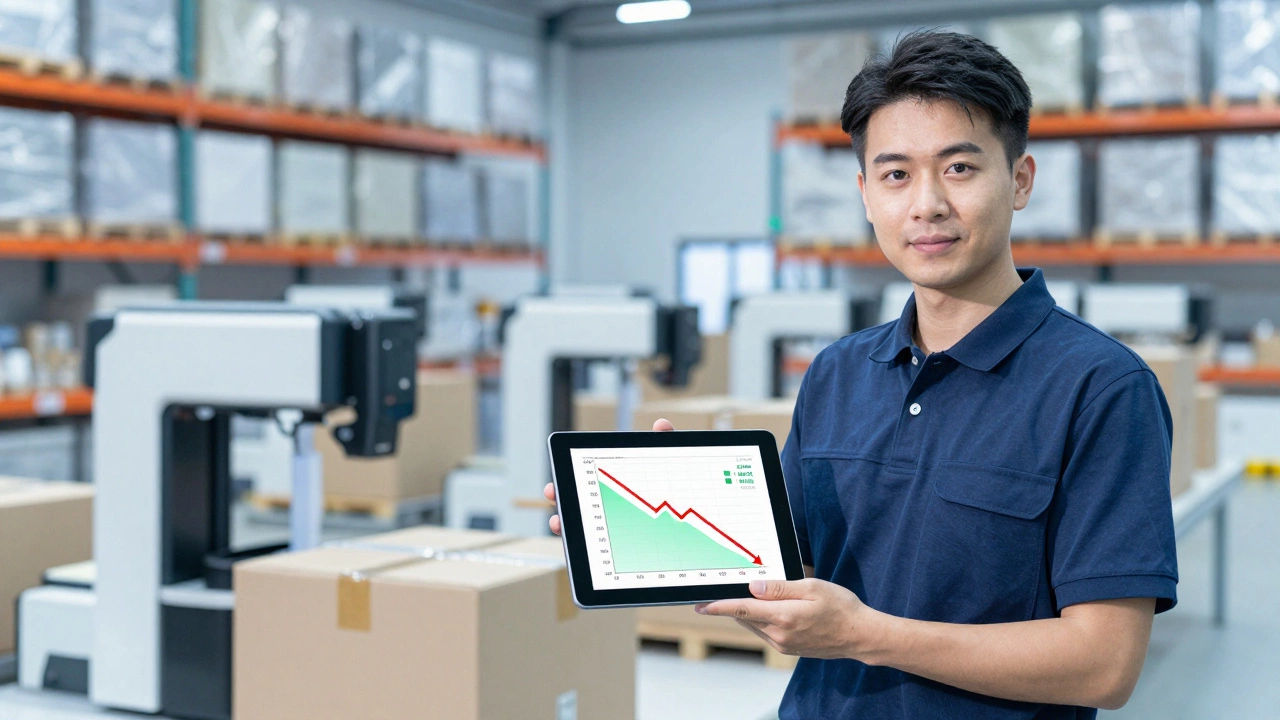
Enter the Freight Forwarder. A freight forwarder acts as your broker. They buy shipping space in bulk from airlines and ocean carriers, then sell it to you at a discounted rate. Even if you only ship ten packages a month, a forwarder can often secure rates 30% to 50% lower than what you’d pay walking into a local drop-off point.
Don’t just pick the first forwarder you find. Ask them specifically about their volume discounts. Many platforms now offer dynamic pricing where your rate drops automatically as your shipment volume increases. This is crucial for scaling. You need a partner who grows with you, not one who locks you into a static contract that becomes expensive as you succeed.
2. Master the Art of Packaging Optimization
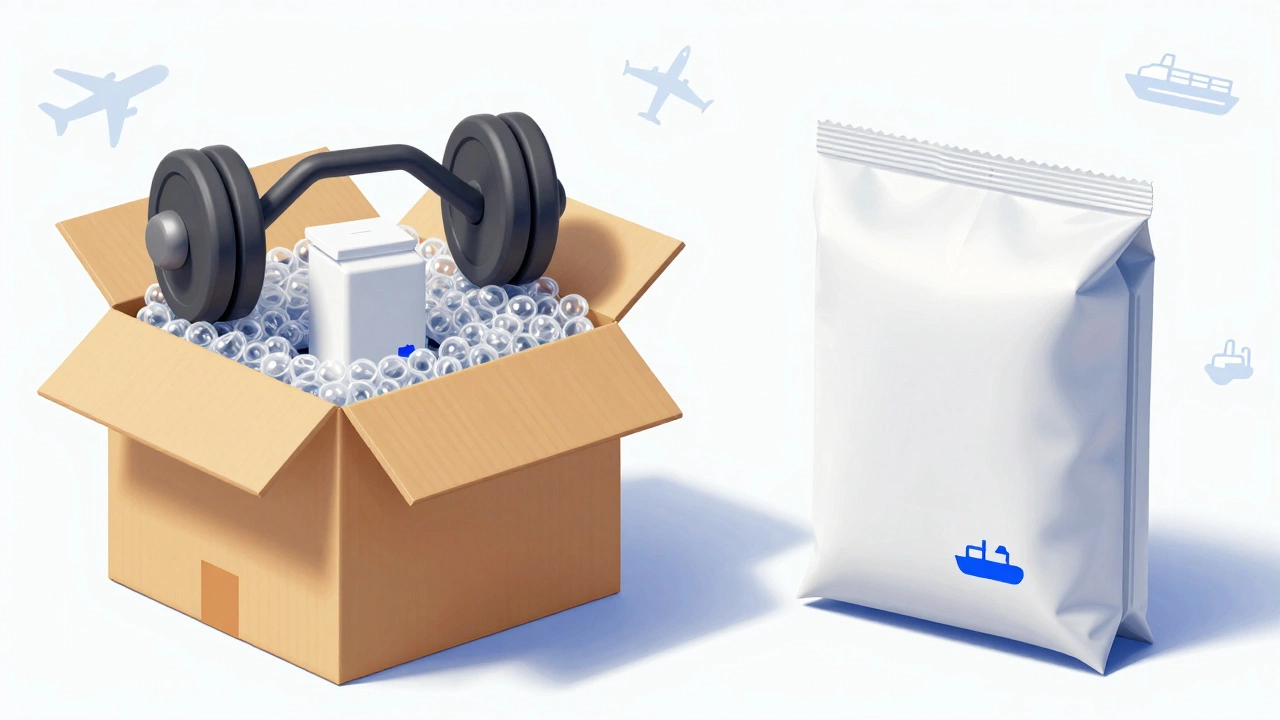
Let’s talk about air. Literally. When you ship internationally, you are often paying for empty space. Carriers use dimensional weight (DIM weight) to calculate costs. This means they charge based on the size of the box, not just its actual weight. If your box is large but light, you pay for the size.
Dimensional weight is calculated by multiplying length × width × height and dividing by a specific divisor (usually 139 or 166 depending on the carrier and region). If this number is higher than the actual weight, you pay for the dimensional weight.
To fix this:
- Right-size your boxes: Invest in variable-sized boxes or use void fill to shrink the package down to the product’s exact dimensions.
- Use poly mailers when possible: For non-fragile items like clothing, a padded envelope is significantly cheaper than a cardboard box because it has less dimensional weight.
- Remove excess padding: Don’t wrap a phone in three layers of bubble wrap inside a shoebox. Use minimal, protective packaging that meets safety standards without adding bulk.
A simple audit of your last 100 shipments might reveal that 40% of your cost comes from oversized packaging. Fixing this requires zero extra software-just smarter packing practices.
3. Choose the Right Incoterms
If you’re selling B2B or handling larger volumes, understanding Incoterms is non-negotiable. Incoterms (International Commercial Terms) define who pays for what part of the shipping process. The wrong choice can lead to unexpected fees and unhappy customers.
| Incoterm | Who Pays Shipping? | Risk Transfer Point | Best For |
|---|---|---|---|
| EXW (Ex Works) | Buyer | Seller’s Warehouse | Maximum control for buyer; lowest seller cost |
| FOB (Free on Board) | Buyer (after loading) | Port of Export | Balanced risk; common in ocean freight |
| DDP (Delivered Duty Paid) | Seller | Buyer’s Door | E-commerce DTC; highest customer experience |
For direct-to-consumer (DTC) brands, DDP is usually the best choice. While it seems expensive upfront because you cover duties and taxes, it prevents cart abandonment. Customers hate surprise fees at checkout. By bundling these costs into your price, you streamline the experience and reduce returns caused by refusal to pay duties upon delivery.
4. Leverage Cross-Border Fulfillment Centers
Shipping from China to Europe takes weeks and costs a fortune per unit. But what if you could ship from Poland to Germany? Or from Texas to Mexico? This is the power of Cross-border fulfillment.
By storing inventory in regional warehouses closer to your target markets, you drastically cut down on transit time and last-mile delivery costs. Last-mile delivery is often the most expensive leg of the journey. Moving your stock to a local warehouse turns an international shipment into a domestic one.
Many third-party logistics providers (3PLs) offer integrated solutions where you ship bulk goods to their hub in Europe or Asia, and they handle the individual orders locally. This also simplifies customs clearance, as the bulk import happens once, rather than for every single customer order.
5. Optimize Customs Documentation
Customs delays are costly. Every day a package sits in a warehouse waiting for inspection, you incur storage fees. Worse, incorrect documentation leads to fines or returned goods. To avoid this, ensure your commercial invoices are accurate and detailed.
Key elements to get right:
- HS Codes: Use the correct Harmonized System codes for your products. Incorrect codes can lead to higher duty rates.
- Product Descriptions: Be specific. "Gift" or "Sample" will get your package flagged and inspected, causing delays. Use clear terms like "Cotton T-Shirt" or "Ceramic Mug."
- Value Declaration: Declare the true transaction value. Under-declaring is illegal and risky; over-declaring hurts your customer with unnecessary taxes.
Investing in automated software that generates compliant customs documents saves hours of manual work and reduces error rates. Tools like ShipStation or Easyship integrate directly with marketplaces to auto-fill these fields.

6. Consolidate Shipments
If you are sending multiple items to the same destination, never ship them separately. Combine them into one package. International shipping rates often have a base fee plus a per-kilogram charge. One heavy box is almost always cheaper than three lighter ones due to reduced handling fees and administrative overhead.
For B2B clients, consider consolidating orders weekly instead of shipping daily. This allows you to negotiate better rates with carriers for larger, predictable loads. It also gives you time to optimize packaging further before dispatch.
7. Monitor Fuel Surcharges and Currency Fluctuations
Shipping costs aren’t static. They fluctuate with fuel prices and exchange rates. Most carriers apply a Fuel Surcharge (FSC) that changes monthly. Keep an eye on these trends. If you notice a spike, consider pre-paying for shipping labels during periods of low fuel prices if your contract allows it.
Currency fluctuations also matter. If you’re paying for shipping in USD but earning revenue in EUR, a weak dollar can inadvertently increase your costs relative to your income. Using multi-currency accounts or hedging strategies can protect your margins against volatile exchange rates.
What is the cheapest way to ship internationally?
The absolute cheapest method is usually surface mail or economy sea freight, but these take months. For faster delivery, using a freight forwarder to access discounted air freight rates is typically the most cost-effective balance of speed and price. Always compare dimensional weight vs. actual weight to choose the right service level.
How do I avoid customs fees on international orders?
You cannot legally avoid customs fees, but you can minimize surprises. Use DDP (Delivered Duty Paid) shipping so you collect duties at checkout. Alternatively, ensure your product descriptions and HS codes are accurate to prevent misclassification, which can lead to higher-than-necessary tariffs.
Is it worth using a freight forwarder for small businesses?
Yes, even for small volumes. Retail carrier prices include significant markups. A freight forwarder provides access to wholesale rates. Many modern digital forwarders have no minimum volume requirements, making them accessible for startups shipping just a few dozen packages a month.
What causes dimensional weight charges?
Dimensional weight charges occur when your package is bulky but lightweight. Carriers charge based on the space your package occupies in their aircraft or truck. To reduce this, use smaller boxes, remove excess padding, and switch to poly mailers for soft goods.
How can I track my international shipments effectively?
Use a unified tracking platform that aggregates data from multiple carriers. This provides real-time updates to both you and your customers. Good visibility helps identify bottlenecks early, such as customs holds, allowing you to proactively resolve issues before they result in refunds or complaints.