Logistics Business Model Estimator
Model Comparison Insight
Compare how changing from an asset-based to an asset-light model affects your bottom line.
Imagine you order a pair of sneakers online. You click "buy," and two days later, they’re on your doorstep. It feels magic, but it’s actually a complex dance involving trucks, planes, warehouses, and software. That dance is orchestrated by a logistics company, which is a service provider that manages the flow of goods from supplier to consumer. But what exactly does that mean for the business model? Is it a manufacturing firm? A tech startup? Or something else entirely?
The short answer: a logistics company is a service industry focused on movement and storage. Unlike a retailer that sells products or a manufacturer that builds them, logistics firms sell efficiency, speed, and reliability. They don’t own the goods; they move them. This distinction shapes everything from their revenue models to their daily operations.
Core Functions: What Logistics Companies Actually Do
To understand the type of work involved, you have to look at the core activities. Most logistics companies operate in one or more of these three main areas:
- Transportation: Moving goods via truck, rail, ship, or plane. This is the most visible part of the job. Companies like FedEx or UPS are classic examples here, focusing heavily on last-mile delivery and long-haul freight.
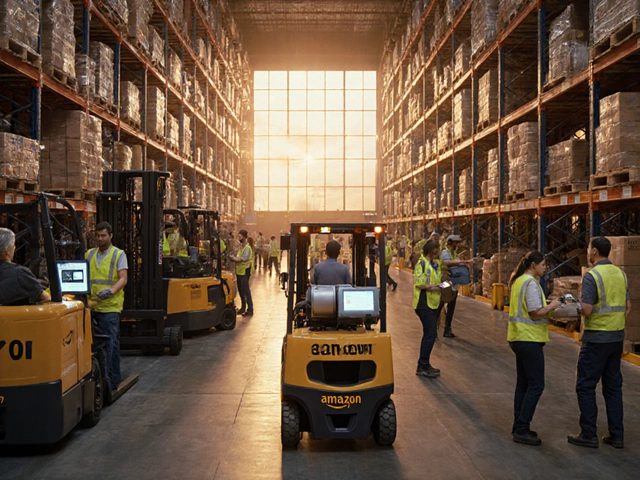
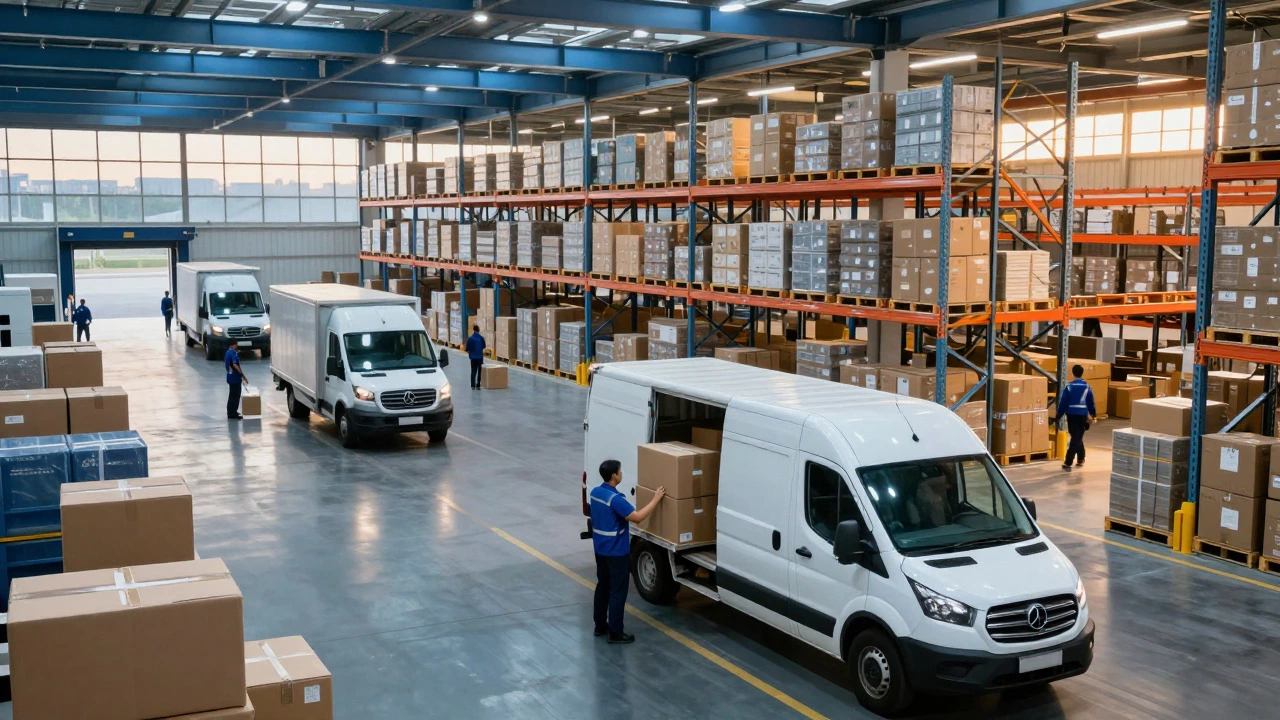
- Warehousing: Storing goods safely until they are needed. Think of massive distribution centers where inventory is picked, packed, and shipped. This requires significant real estate investment and strict inventory control systems.
- Freight Forwarding: Acting as an agent between shippers and carriers. If you’re importing furniture from China, a freight forwarder handles customs clearance, documentation, and booking space on cargo ships. They are the brokers of the global trade world.
Many modern firms combine all three into a single offering known as Third-Party Logistics (3PL). This means one contract covers storage, transportation, and even data analytics. For businesses, this simplifies operations dramatically because they deal with one partner instead of five different vendors.
The Business Model: How They Make Money
If logistics isn’t about selling physical products, how do these companies generate profit? The answer lies in volume and margins. Logistics is often described as a low-margin, high-volume business. Here’s why:
- Asset-Based vs. Asset-Light: Some companies own their own trucks, planes, and warehouses (asset-based). Others rent equipment or outsource transport to subcontractors (asset-light). Asset-heavy models carry higher fixed costs but offer more control. Asset-light models scale faster but rely on partners for execution.
- Pricing Structures: Rates are typically calculated per mile, per pallet, or per weight unit. Fuel surcharges, handling fees, and storage charges add layers to the final invoice. Transparency here is critical for client retention.
- Recurring Revenue: Once a client signs a long-term contract, the revenue stream becomes predictable. This stability makes logistics companies attractive to investors, despite the thin margins.
However, the rise of e-commerce has squeezed these margins further. Consumers expect free or cheap shipping, forcing retailers to pass pressure down to logistics providers. To survive, many companies now invest heavily in technology to optimize routes and reduce waste.
Technology: The Invisible Engine
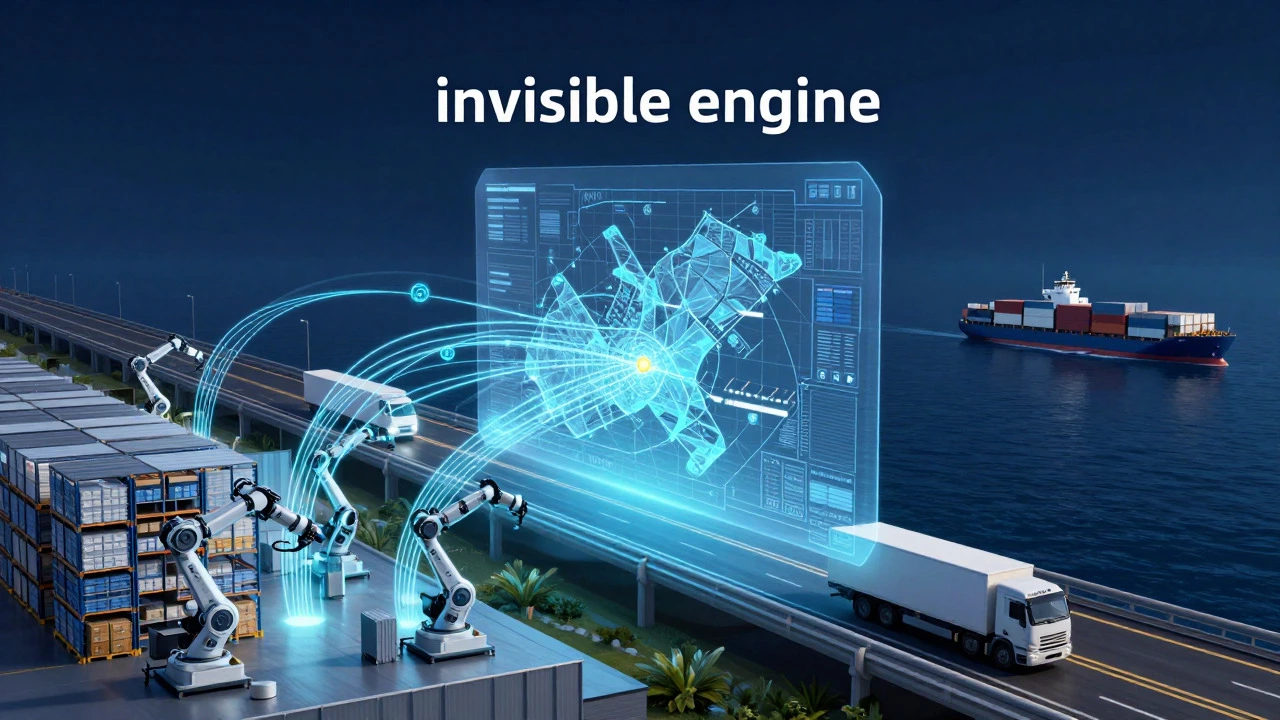
You might think logistics is all about steel wheels and cardboard boxes, but today it’s equally about data. Software is the backbone of modern supply chain management. Without digital tools, tracking a shipment across borders would be nearly impossible.
Key technologies include:
- Warehouse Management Systems (WMS): These track every item in a warehouse, optimizing picking paths to save time. A well-run WMS can reduce labor costs by up to 20%.
- Transportation Management Systems (TMS): These plan and execute the physical delivery of goods. They compare carrier rates in real-time to find the cheapest or fastest option.
- IoT Sensors: Small devices attached to cargo monitor temperature, humidity, and shock. This is crucial for sensitive goods like pharmaceuticals or fresh produce.
For a logistics company, technology isn’t just a tool-it’s a competitive advantage. The ability to provide real-time visibility to clients is no longer optional; it’s expected. If a customer can’t see where their package is, they assume it’s lost.
Comparison: Logistics vs. Other Service Industries
How does a logistics company stack up against other service sectors? Let’s break it down:
| Feature | Logistics Company | Consulting Firm | Software Provider (SaaS) |
|---|---|---|---|
| Primary Output | Movement & Storage of Goods | Advice & Strategy | Digital Tools & Platforms |
| Revenue Model | Per Unit / Mile / Pallet | Hourly / Project Based | Subscription / License |
| Capital Intensity | High (Trucks, Warehouses) | Low (Office Space) | Medium (R&D, Servers) |
| Scalability | Moderate (Requires Physical Assets) | High (Add Staff) | Very High (Cloud Infrastructure) |
| Customer Retention Driver | Reliability & Speed | Expertise & Results | Integration & Ease of Use |
This table highlights a key difference: logistics is physically constrained. You can’t just "scale" a truck fleet overnight without buying new vehicles or leasing space. In contrast, a software company can serve ten times more users with minimal additional cost. This makes logistics a capital-intensive business with slower growth cycles but higher barriers to entry.
Common Misconceptions About Logistics Work
There are several myths that cloud people’s understanding of this industry. Let’s clear them up.
Misconception 1: It’s just driving trucks. While drivers are essential, they represent only a fraction of the workforce. Modern logistics teams include data analysts, customs brokers, inventory planners, and software engineers. The mental work of coordinating thousands of shipments daily is far more complex than the physical act of moving a box.
Misconception 2: Margins are always thin. True for basic transportation, but not for specialized services. Cold chain logistics (for food or medicine) commands premium prices due to strict requirements. Similarly, last-mile delivery in dense urban areas is expensive but highly profitable if optimized correctly.
Misconception 3: Technology is optional. In 2026, manual processes are a liability. Clients demand API integrations with their own e-commerce platforms. If a logistics company still relies on email updates and spreadsheets, they will lose business to competitors who offer real-time dashboards.
Future Trends Shaping the Industry
The logistics landscape is evolving rapidly. Three trends are particularly noteworthy for anyone considering working in or investing in this sector.
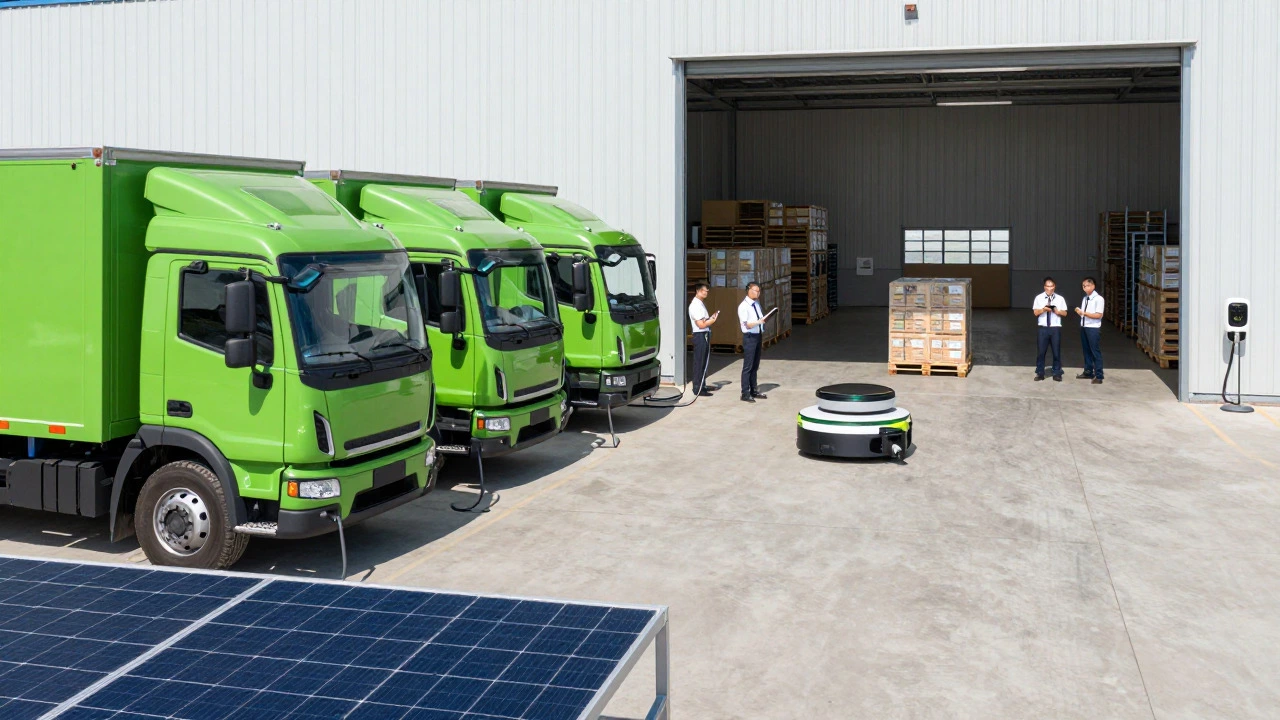
- Sustainability Pressures: Governments and consumers are demanding greener solutions. Electric trucks, solar-powered warehouses, and carbon-neutral shipping options are becoming standard features, not niche offerings. Companies that ignore this risk losing contracts with eco-conscious brands.
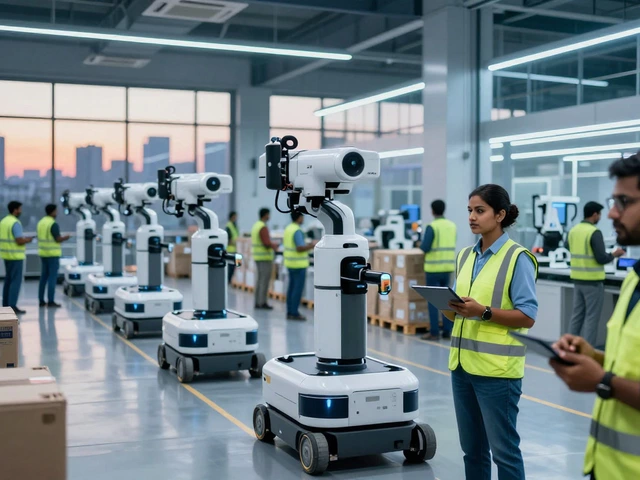
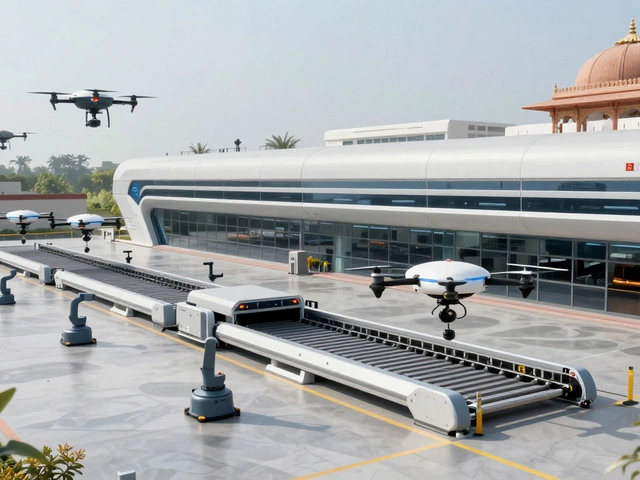
- Automation in Warehouses: Robotic arms and autonomous mobile robots are replacing manual pickers in large distribution centers. This reduces errors and speeds up processing times, though it also changes the nature of entry-level jobs.
- Global Supply Chain Resilience: After recent disruptions, companies are diversifying their suppliers. This means more complex routing and shorter lead times. Logistics providers who can offer flexible, multi-modal solutions (combining sea, air, and road) are gaining market share.
These shifts suggest that the "type of work" in logistics is becoming more technical and strategic. The future belongs to those who can blend physical operations with digital intelligence.
FAQ
Is a logistics company considered a service industry?
Yes, absolutely. Logistics companies sell services-specifically transportation, storage, and management-rather than physical goods. Their value comes from efficiency, reliability, and expertise in moving products through the supply chain.
What is the difference between a 3PL and a freight forwarder?
A freight forwarder primarily arranges international transport and handles customs paperwork. A 3PL (Third-Party Logistics) provider offers a broader range of services, including warehousing, inventory management, and domestic transportation, often acting as an outsourced supply chain department for the client.
Do logistics companies need to own their own trucks?
Not necessarily. Many operate on an asset-light model, partnering with independent carriers or leasing equipment. However, owning assets can provide better control over service quality and costs in the long run. The choice depends on the company’s strategy and scale.
Why are logistics margins so low?
Margins are low due to high operational costs (fuel, labor, maintenance) and intense competition. Prices are often driven down by e-commerce expectations for fast, cheap shipping. Profitability comes from scaling volume and optimizing efficiency through technology rather than raising prices significantly.
What skills are needed to work in logistics management?
Key skills include analytical thinking, problem-solving, and familiarity with supply chain software. Communication is also vital since coordinators interact with drivers, clients, and customs officials daily. Understanding data analytics is increasingly important for optimizing routes and inventory levels.