E-Commerce Delivery Time Estimator
Estimate delivery time for your online orders based on location and shipping speed. See how different choices impact your supply chain efficiency.
When you order a pair of sneakers online and get them delivered in two days, it looks simple. But behind that quick delivery is a complex system made up of several moving parts. This system is the e-commerce supply chain. It’s not just about shipping a box. It’s about planning, sourcing, storing, packing, and delivering products to real people in real time-often with zero room for error.
Stage 1: Planning and Demand Forecasting
Before a single product is ordered from a supplier, the supply chain starts with prediction. E-commerce businesses need to know what customers will buy, when, and in what quantities. This isn’t guesswork. It’s data-driven planning.Companies use sales history, seasonal trends, marketing campaigns, and even social media buzz to predict demand. For example, a retailer selling winter coats in Toronto will see spikes in orders starting in late September. If they don’t plan ahead, they’ll run out of stock-or end up stuck with too much inventory.
Tools like SAP Integrated Business Planning or Oracle Demand Management help automate this. But even small sellers use Google Trends or their own Shopify analytics to adjust orders. Poor forecasting leads to overstocking (wasting money on storage) or stockouts (losing sales and trust).
Stage 2: Sourcing and Procurement
Once you know what you need, you buy it. This is where suppliers come in. E-commerce businesses source products from manufacturers, wholesalers, or even dropshipping partners.Some brands make their own goods. Others buy from factories in China, Vietnam, or Mexico. The key is reliability. A delay in sourcing one component can hold up the entire chain. That’s why many businesses work with multiple suppliers for critical items.
For example, a company selling smart home devices might source batteries from one vendor and circuit boards from another. If one supplier has a quality issue, they can switch temporarily without stopping production. This isn’t just about cost-it’s about resilience.
Stage 3: Warehousing and Inventory Management
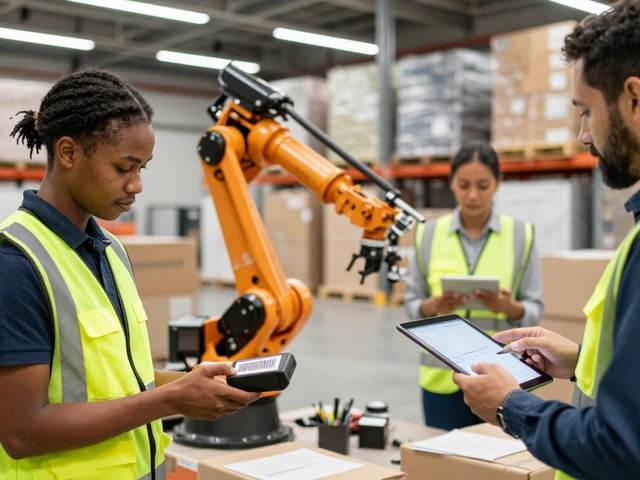
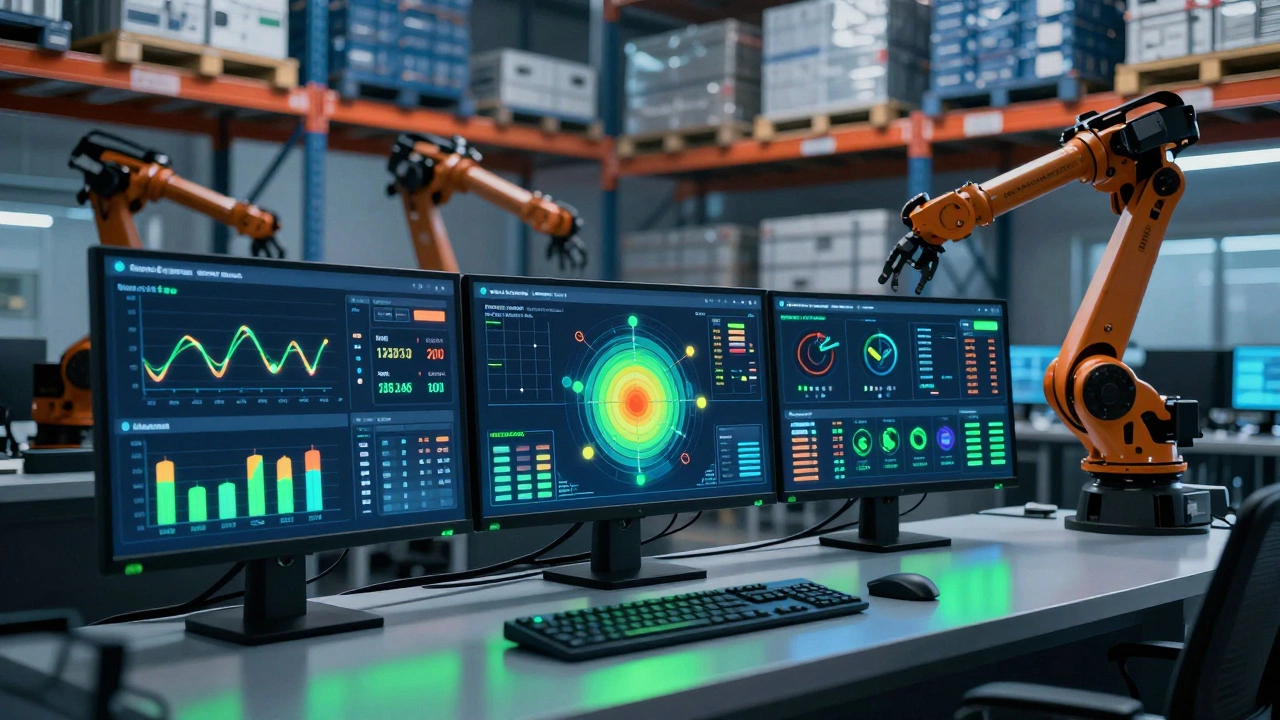
Products don’t stay at the factory. They move to warehouses. And not just any warehouse-modern e-commerce fulfillment centers are highly automated.Think of Amazon’s fulfillment centers: robots move shelves, barcode scanners track every item, and AI tells workers exactly where to pick and pack. But even small businesses use cloud-based inventory systems like Zoho Inventory or TradeGecko to track stock levels across multiple locations.
Inventory isn’t just stored-it’s organized for speed. Fast-moving items go closer to packing stations. Slow-movers get tucked away. And if you’re selling internationally, you might have warehouses in the U.S., Canada, and Germany to cut shipping times.
One mistake many new sellers make? Holding too much stock in one place. That creates bottlenecks. If your only warehouse is in Toronto and a storm knocks out power, your whole operation stops. Smart businesses spread inventory across regions.
Stage 4: Order Processing and Fulfillment
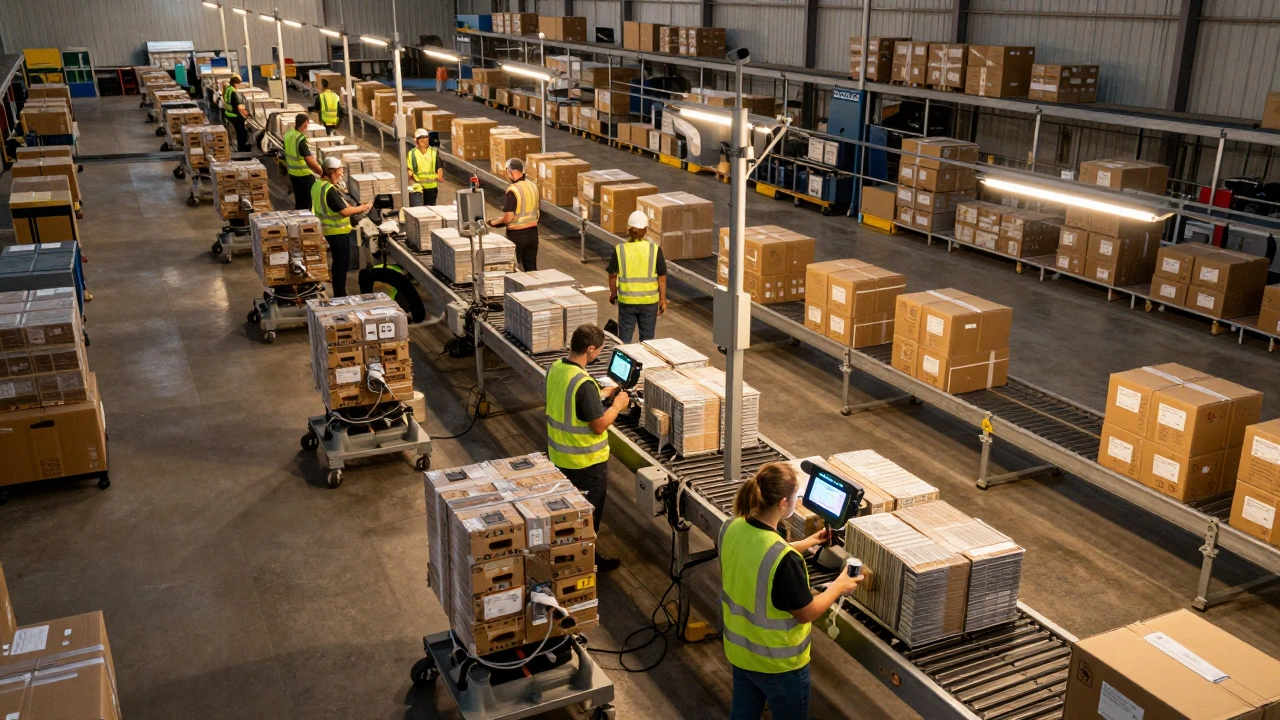
This is where the customer’s order becomes real. When someone clicks “Buy Now,” the system checks inventory, reserves the item, and sends a pick list to a warehouse worker-or a robot.Fulfillment includes:
- Locating the product in the warehouse
- Picking it off the shelf
- Packing it securely with the right materials
- Printing the shipping label
- Handing it off to a carrier
Speed matters. A 2024 study by McKinsey found that 68% of online shoppers expect delivery within 2 days-and 42% will abandon their cart if fast shipping isn’t offered.
Some companies handle this in-house. Others outsource to third-party logistics (3PL) providers like ShipBob, Red Stag Fulfillment, or FedEx Fulfillment. These partners offer tech integration, multi-carrier shipping, and returns handling-all for a fee.
Automation here isn’t optional. Manual packing at 100 orders per day? That’s unsustainable. Even small shops use barcode scanners and label printers to keep up.
Stage 5: Shipping and Transportation
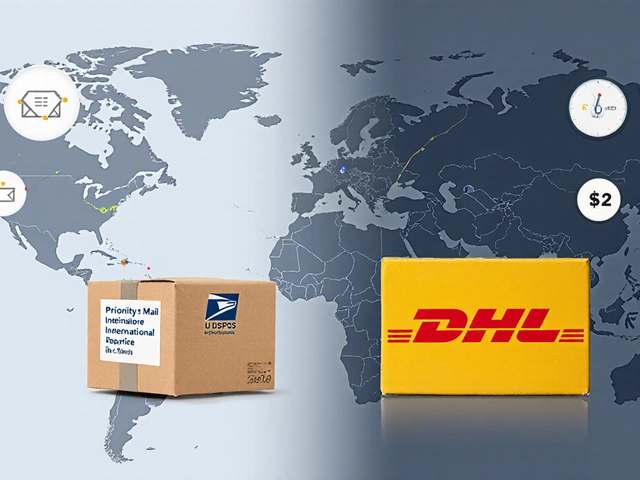
Now the package leaves the warehouse. This is where carriers come in: Canada Post, UPS, FedEx, DHL, or local couriers.But shipping isn’t just about choosing the cheapest option. It’s about matching the right carrier to the right delivery promise. A high-value item might go via overnight express. A low-cost book might ship via economy ground.
Many e-commerce brands use multi-carrier shipping software like Shippo or Easyship. These tools compare rates, print labels, and track packages across multiple carriers-all from one dashboard.
International shipping adds complexity: customs forms, duties, taxes, and longer transit times. A package from Toronto to Berlin might take 5-7 days and cost $15. But if the buyer doesn’t pay the import tax, the package gets stuck at customs-and the seller loses money.
That’s why smart sellers build customs fees into their pricing or use duty-paid shipping options like DHL Express or UPS Worldwide Saver.
Stage 6: Last Mile Delivery
This is the final, most expensive, and most visible part of the chain. Last mile is when the package goes from a local delivery hub to the customer’s doorstep.It’s also where things go wrong. Missed deliveries, damaged packages, or incorrect addresses ruin the experience. In fact, 35% of online shoppers say poor last-mile delivery is their biggest complaint, according to a 2025 delivery survey by Parcel Monitor.
Companies are fighting back with new solutions:
- Lockers in apartment buildings or grocery stores
- Delivery windows (you pick the time slot)
- Same-day delivery via local couriers
- Driver apps that notify customers when they’re 5 minutes away
Some brands even let customers choose delivery options at checkout-like “leave it by the back door” or “hold at nearby pickup point.” This flexibility reduces failed deliveries and customer service calls.
Stage 7: Returns and Reverse Logistics
Not every order stays with the customer. In e-commerce, return rates average 20-30%, sometimes higher for fashion or electronics.Handling returns isn’t an afterthought-it’s part of the supply chain. A smooth return process keeps customers loyal. A messy one drives them away.
Good returns systems include:
- Prepaid return labels
- Clear instructions on how to pack and send items back
- Quick refunds or exchanges
- Inspection and restocking (or disposal) of returned goods
Some companies use reverse logistics partners like Happy Returns or Loop Returns. These services handle pickup, sorting, and restocking so the seller doesn’t have to.
And here’s a key insight: returns aren’t just costs-they’re data. If 40% of blue shirts in one size are being returned, it’s not a coincidence. It’s a sizing issue. That feedback helps improve product pages, photos, and descriptions for future buyers.
Why This Matters
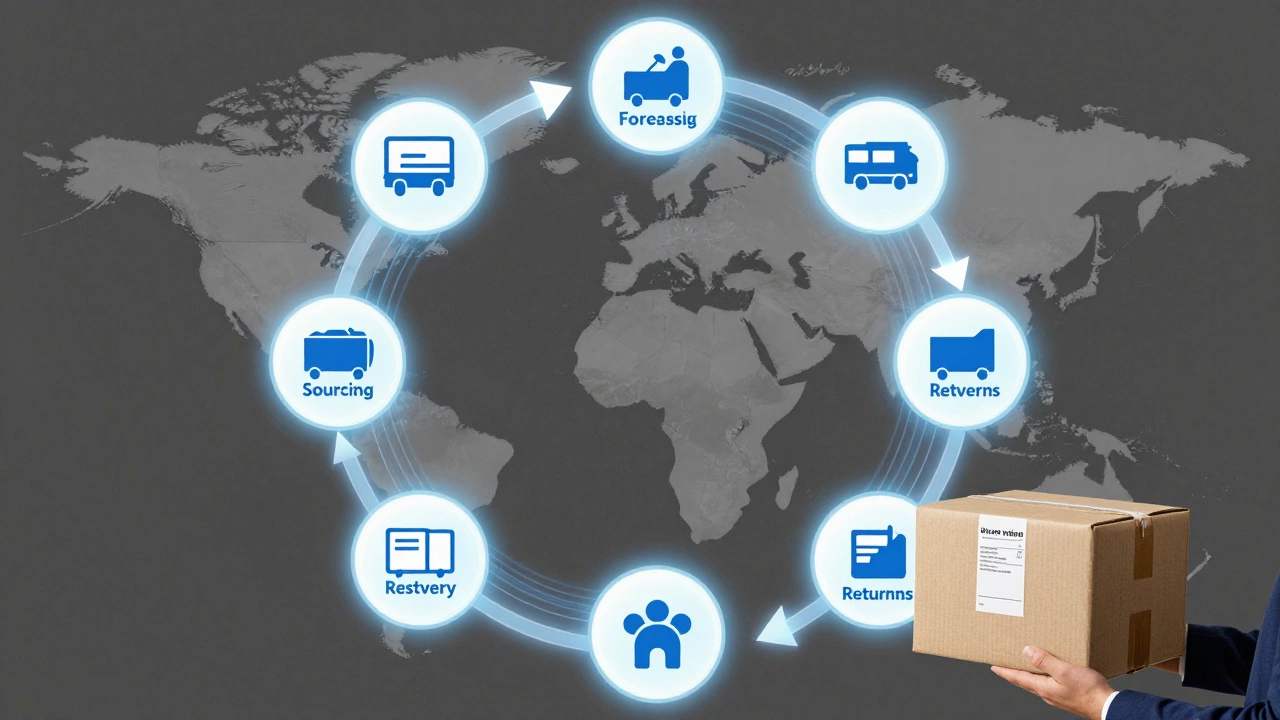
The e-commerce supply chain isn’t a straight line. It’s a loop. Every stage affects the next. A delay in sourcing can mean delayed fulfillment. A bad last-mile experience can mean a lost customer. A slow return process can kill repeat sales.Success doesn’t come from having the fastest courier. It comes from connecting all seven stages smoothly. The best e-commerce businesses don’t just sell products-they manage systems. They track metrics like order-to-delivery time, return rate, and warehouse pick accuracy.
If you’re starting out, don’t try to do everything yourself. Focus on getting the first three stages right: forecast demand, source reliably, and store smartly. Then outsource fulfillment and shipping to experts. Build your returns process early-it’s easier than fixing it later.
The goal isn’t perfection. It’s predictability. When your customers know exactly when their order will arrive-and what to do if something goes wrong-you build trust. And in e-commerce, trust is the real competitive advantage.
What are the 7 stages of an e-commerce supply chain?
The seven stages are: 1) Planning and demand forecasting, 2) Sourcing and procurement, 3) Warehousing and inventory management, 4) Order processing and fulfillment, 5) Shipping and transportation, 6) Last mile delivery, and 7) Returns and reverse logistics. Each stage connects to the next, and a breakdown in one can slow down the whole process.
How long does the e-commerce supply chain take?
It varies by region and service level. For domestic orders in North America, the full chain-from order to delivery-typically takes 1-5 days. International orders can take 5-14 days, depending on customs and carrier. Fast fulfillment centers can process orders in under 2 hours, but shipping and last-mile delivery add the most time.
What’s the biggest challenge in e-commerce supply chains?
The biggest challenge is unpredictability. Demand spikes, supplier delays, weather disruptions, and customs holdups can all break the chain. The most successful businesses plan for these risks by using multiple suppliers, keeping buffer stock, and partnering with flexible logistics providers.
Do I need a warehouse to run an e-commerce business?
Not necessarily. Many small sellers use dropshipping, where the supplier ships directly to the customer. But if you’re selling more than 50-100 orders per month, owning or outsourcing warehouse space becomes more cost-effective and gives you better control over speed and quality.
How do returns affect the supply chain?
Returns add cost and complexity. They require extra handling, inspection, and restocking-or disposal. But they also provide valuable data. High return rates on certain products signal issues with sizing, quality, or product descriptions. Fixing those problems reduces future returns and improves customer satisfaction.