Shipping Cost Estimator
Estimate Your Shipping Costs
Calculate estimated costs for domestic and international shipments based on package size, weight, and delivery speed. Input your details to see how different factors affect pricing.
Weight surcharge: $0.00
Distance surcharge: $0.00
Service fee: $0.00
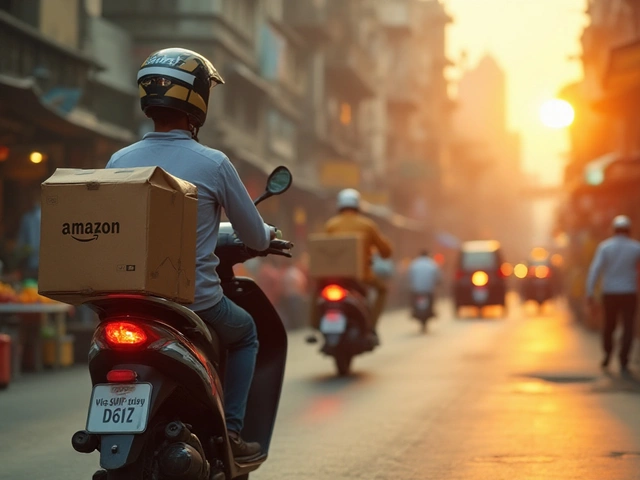
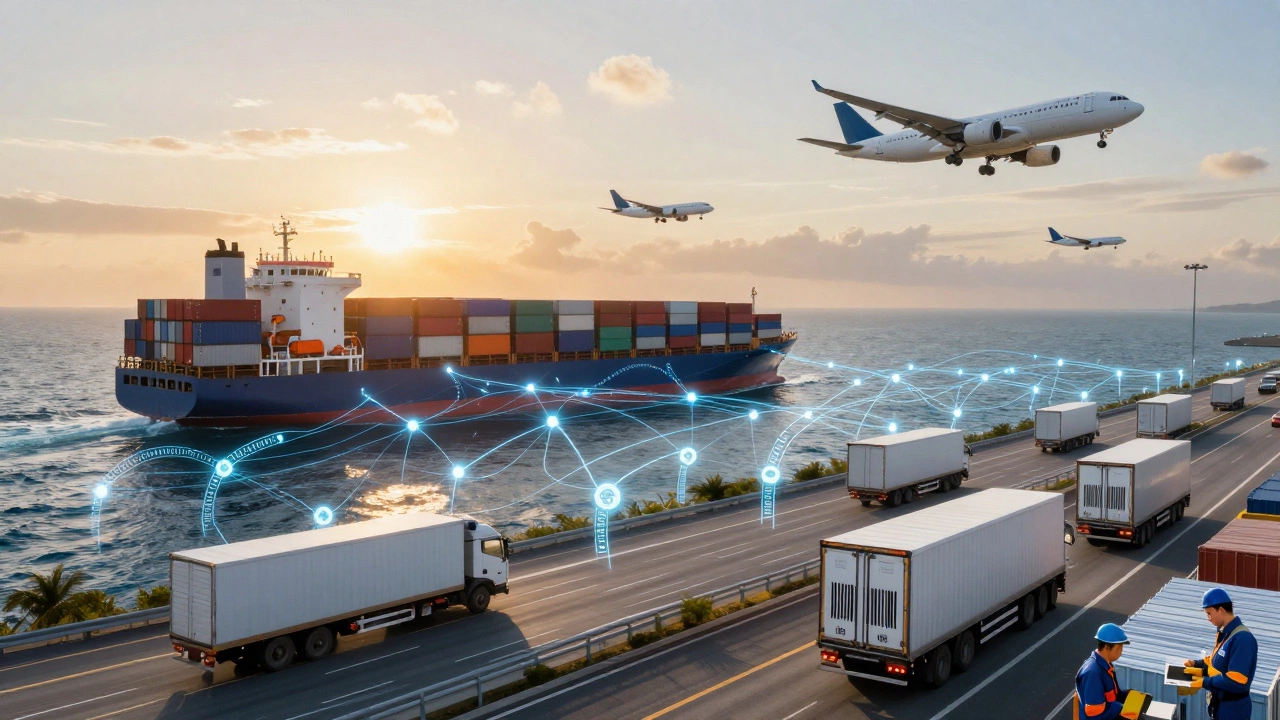
Think about the last time you ordered something online. Maybe it was a pair of shoes, a book, or a coffee maker. You clicked ‘buy’, and a few days later, it showed up at your door. That’s logistics. It’s not magic. It’s not just delivery trucks. It’s the whole invisible system that gets stuff from where it’s made to where you need it-on time, in one piece, and without you ever seeing how it happened.
Logistics Isn’t Just Delivery
Most people think logistics means shipping. But that’s like saying cooking is just putting food in the oven. Logistics is everything before, during, and after that step. It includes planning where to store goods, how to pack them, which routes to use, how to track them, and what to do if something breaks or gets delayed.
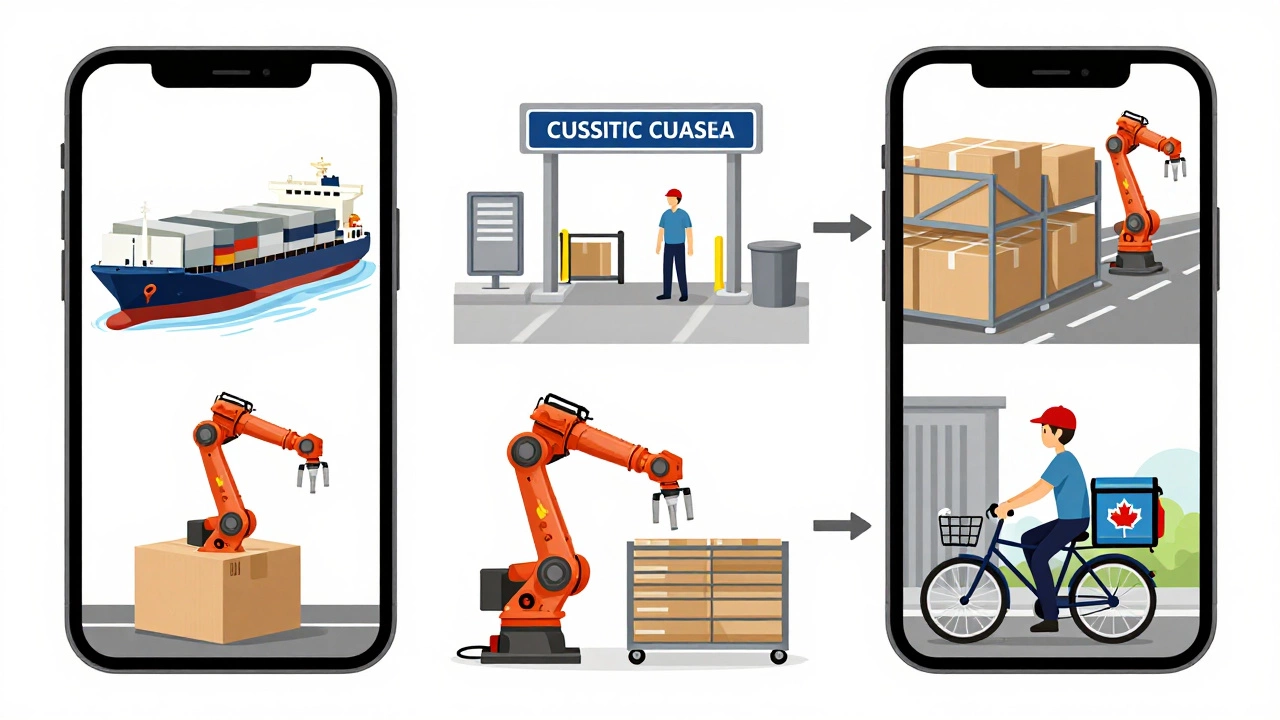
Take a smartphone made in China and sold in Toronto. Before it even leaves the factory, someone has to figure out how many to make, where to store the parts, and when to assemble them. Then it’s packed into boxes, loaded onto a cargo ship, cleared through customs, moved by truck to a warehouse in Ontario, sorted by size and destination, and finally delivered to your mailbox. Every single one of those steps? That’s logistics.
The Four Main Parts of Logistics
Logistics breaks down into four big pieces. You don’t need to memorize them, but knowing them helps you understand why things go wrong-or right.
- Inbound logistics: Getting raw materials or parts into a factory or warehouse. For example, a furniture company receives wood, screws, and fabric from suppliers.
- Outbound logistics: Sending finished products to customers or retailers. This is what most people think of-delivery vans, tracking numbers, and estimated arrival times.
- Reverse logistics: Handling returns, repairs, or recycling. If you send back a defective toaster, that’s reverse logistics. It’s messy, expensive, and often ignored-but it’s growing fast as more people shop online.
- Third-party logistics (3PL): When a company hires someone else to handle all of this. Instead of running their own trucks and warehouses, businesses like Amazon, Zara, or even small online stores use logistics companies like DHL, FedEx, or local 3PLs to do the heavy lifting.
Who Runs Logistics? The Big Players
You’ve heard of FedEx and UPS. But there are dozens of logistics companies out there, and they don’t all do the same thing.
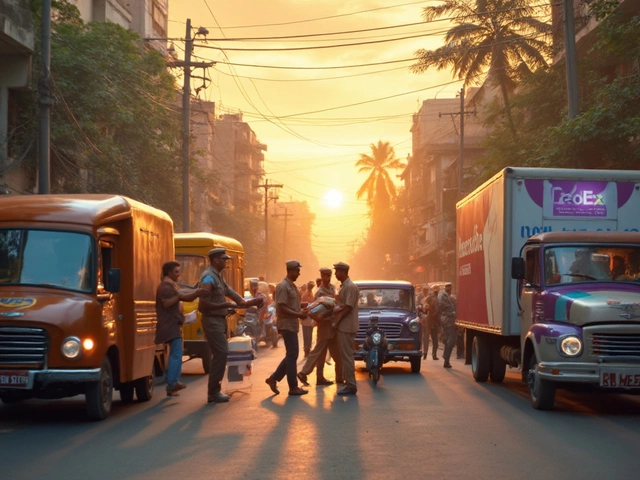
Global carriers like DHL, FedEx, and UPS move packages across borders. They have planes, ships, and networks in over 200 countries. They’re fast, reliable, and expensive.
Regional and local carriers focus on one country or area. In Canada, companies like Purolator or Canada Post handle most of the last-mile delivery. They’re cheaper and slower, but they know local roads, weather, and regulations better than anyone.
Third-party logistics providers (3PLs) don’t own trucks or planes. They manage warehouses, pack orders, and coordinate with carriers. If you run a small online store, you probably use a 3PL like ShipBob or Deliverr. They charge per order, not per mile, which makes budgeting easier.
Freight forwarders handle big shipments-like containers full of machinery or pallets of baby formula. They book space on ships and trains, handle customs paperwork, and make sure everything gets cleared legally. If you’re importing a car from Germany or a shipment of coffee beans from Brazil, you need a freight forwarder.
Why Logistics Matters (Even If You’re Not a Business)
Logistics affects your life every day-even if you never think about it.
When grocery stores have milk on the shelves in winter? That’s logistics. When your pharmacy restocks your prescription in time? Logistics. When your favorite hoodie arrives before your birthday? That’s logistics working well.
But when it fails? That’s when you notice. A delayed package. A broken item. A warehouse strike. A customs hold. These aren’t random accidents. They’re breakdowns in a system that’s been running smoothly for years-until something went wrong.
Logistics isn’t glamorous. No one throws parades for truck drivers. But without it, modern life stops. No online shopping. No fresh produce in winter. No new phones. No medicine when you need it.
Common Logistics Problems (And How They’re Fixed)
Even the best systems have glitches. Here are the top three problems beginners should know about-and how companies deal with them.
- Delays: Weather, strikes, port congestion, or customs delays can hold up shipments. Smart companies use multiple carriers and keep extra stock nearby to avoid running out.
- Lost or damaged goods: A box gets crushed. A label falls off. A package goes to the wrong city. Tracking systems, barcodes, and insurance help. Most logistics companies now offer real-time tracking and digital proof of delivery.
- High costs: Fuel prices, labor shortages, and inflation push shipping costs up. Companies use route optimization software, consolidate shipments, and switch to slower (but cheaper) shipping options when speed isn’t critical.
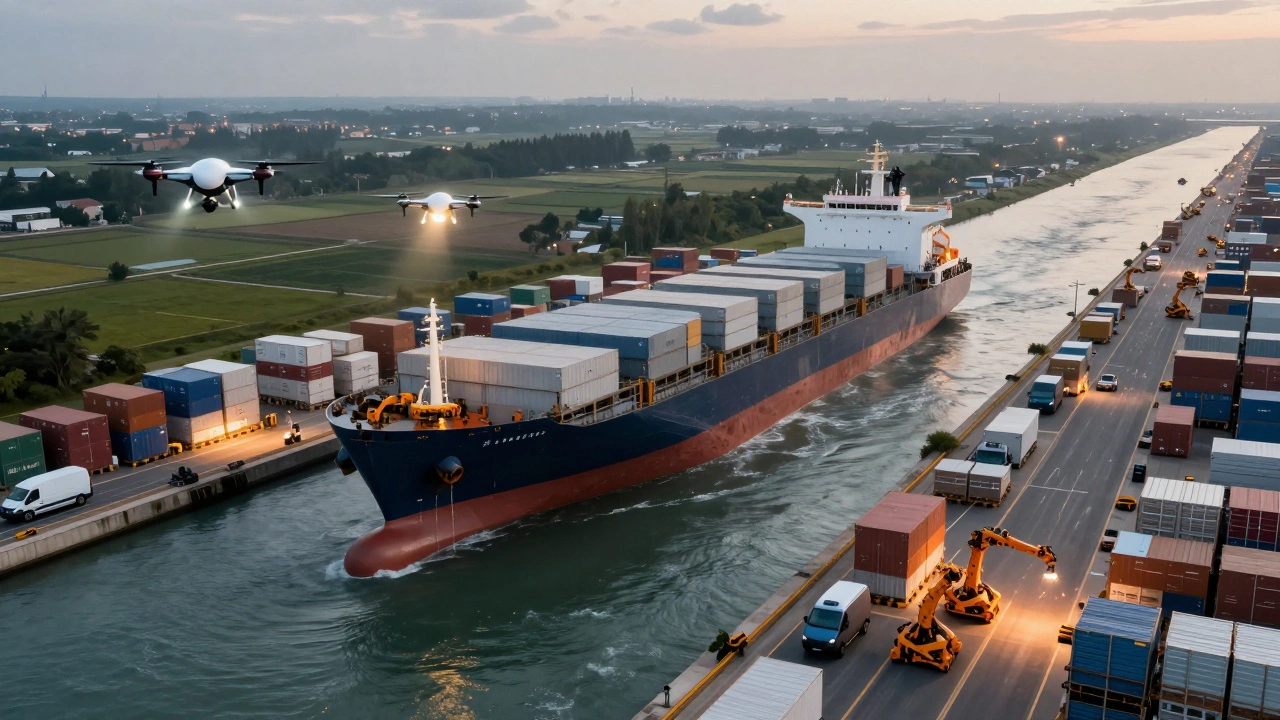
One real example: In 2021, the Suez Canal got blocked by a giant cargo ship. Ships piled up. Delays stretched for weeks. Global supply chains shook. Companies that had backup suppliers in Asia and North America kept delivering. Those that relied on just one route? They ran out of stock.
How to Get Started in Logistics (If You Want To)
Maybe you’re curious. Maybe you’re thinking of a job. Logistics isn’t just for truck drivers or warehouse workers. There are roles in planning, data analysis, customer service, tech, and even sustainability.
Here’s how to explore it:
- Try a part-time job at a local warehouse or delivery center. You’ll see how orders are picked, packed, and loaded.
- Use free tools like Google Maps or FedEx’s tracking page. Watch how a package moves across the country. Ask yourself: Why did it take this route? Why did it stop in Toronto?
- Learn basic terms: SKU, LTL, FTL, POD, ASN. You don’t need to memorize them all, but knowing what they mean helps you talk to people in the industry.
- Look at job postings for logistics coordinators or supply chain assistants. Most don’t require a degree-just attention to detail and good communication.
What’s Changing in Logistics Right Now
Logistics isn’t stuck in the past. It’s changing fast.
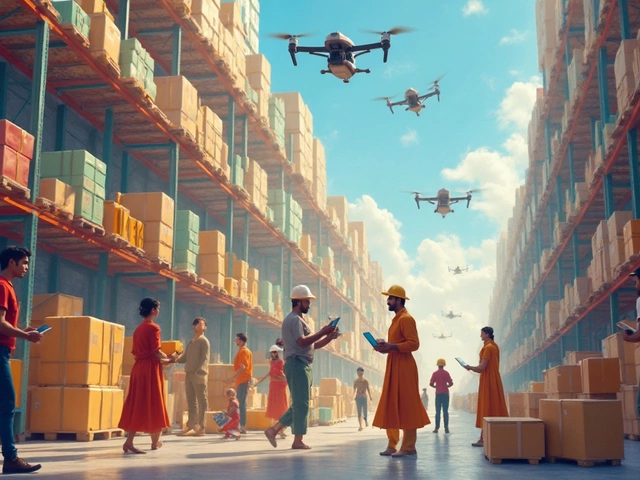
Electric delivery vans are replacing gas trucks in cities like Toronto and Vancouver. Drones are being tested for rural deliveries. AI predicts how many winter coats a store in Calgary will need before the snow even falls. Robots pack boxes in warehouses without breaks. Blockchain tracks where food comes from, so you know it’s really organic.
And sustainability? It’s not optional anymore. Companies are being asked: Where did this product come from? How much carbon was used to ship it? Can we reuse the packaging? Logistics is becoming greener-not because it’s trendy, but because customers and governments demand it.
Final Thought: Logistics Is Everywhere
You don’t need to be an expert to understand logistics. You just need to pay attention.
Next time you get a delivery, look at the tracking page. See the stops. Notice the dates. Ask yourself: What had to happen for this to get here? Who moved it? Who paid for it? Who fixed it when it went wrong?
That’s logistics. It’s not flashy. But it’s the quiet engine behind everything you buy, eat, wear, and use. And if you ever need to ship something, hire a carrier, or just understand why your order is late-you now know what’s really going on.
Is logistics the same as supply chain?
No, but they’re closely related. The supply chain includes everything from mining raw materials to selling the final product. Logistics is just the part that moves things between those steps-transportation, warehousing, and delivery. Think of supply chain as the whole recipe, and logistics as the cooking and serving.
Do I need a degree to work in logistics?
Not at all. Many people start with warehouse jobs, delivery driving, or customer service roles. Certifications from organizations like the Canadian Supply Chain Sector Council or courses on Coursera can help you move up, but hands-on experience matters more than a diploma. Attention to detail, reliability, and problem-solving skills are the real requirements.
What’s the difference between a courier and a freight company?
Couriers handle small packages-think envelopes, books, or phone cases. They’re fast and usually deliver within 1-3 days. Freight companies move large, heavy shipments: pallets, crates, machinery. They use trucks, trains, or ships, and delivery can take days or weeks. If you’re shipping a single shirt, use a courier. If you’re shipping 500 shirts in boxes, you need freight.
How do logistics companies track packages?
Each package gets a unique barcode or RFID tag. Every time it’s scanned-at a warehouse, on a truck, at a sorting center-the location and time are recorded. That data feeds into a system you can access online. Some companies even use GPS trackers on trucks. It’s not perfect, but it’s accurate enough to give you a reliable delivery window.
Why do shipping costs vary so much?
It depends on weight, size, distance, speed, and whether it’s going across borders. A small package sent overnight across Canada costs more than the same package sent in 5 days. International shipping adds customs fees, taxes, and handling charges. Fuel prices and seasonal demand (like before Christmas) also push prices up. That’s why some companies offer free shipping-they absorb the cost to get you to buy.