Pallet Shipping: How It Works and What You Need to Know
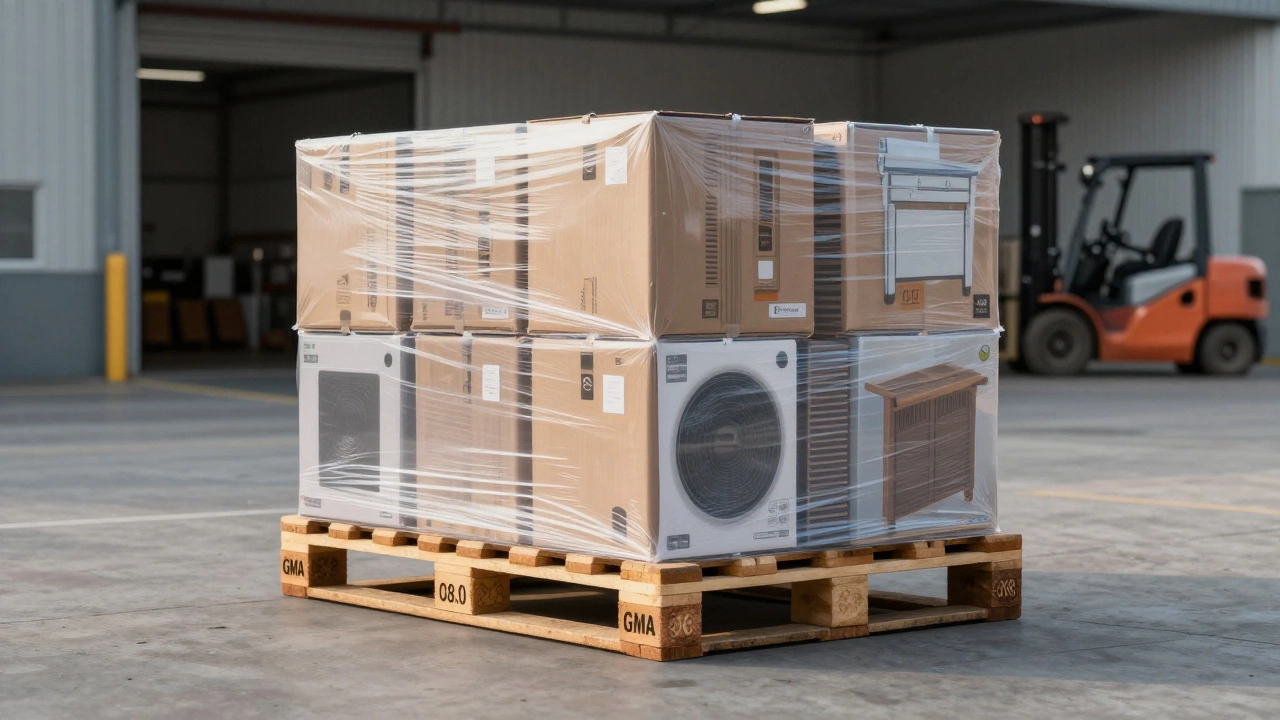
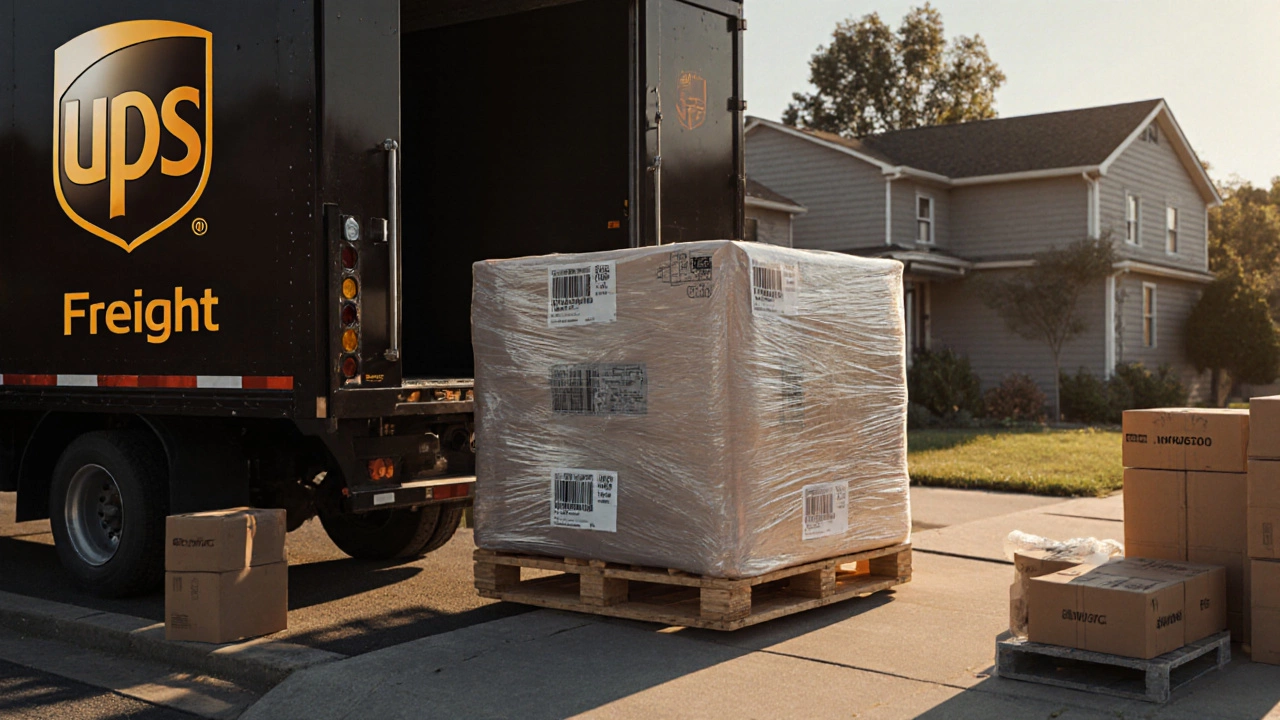
When you ship something heavy—like a stack of boxes, machinery parts, or palletized goods—you’re likely using pallet shipping, a method of transporting goods stacked on a flat wooden or plastic platform called a pallet. Also known as palletized cargo shipping, it’s the backbone of modern logistics because it lets forklifts and pallet jacks move large loads quickly and safely. This isn’t just for big companies. Even small businesses shipping furniture, equipment, or inventory rely on it to cut costs and avoid damage.
Pallet shipping works because it turns a messy pile of items into one stable unit. Instead of handling dozens of boxes separately, you load them onto a single pallet, wrap them in stretch film, and secure them with straps. That single unit can then be lifted, rolled, and stacked with ease. It’s faster, safer, and cheaper than manual handling. That’s why warehouses, distributors, and e-commerce fulfillment centers all use it. The system also plays well with other logistics tools—like warehouse management systems, software that tracks where pallets are stored and when they move—and fits into larger freight shipping, the movement of large quantities of goods over long distances by truck, rail, or ship.
Not all pallets are the same. Standard pallets in the U.S. are usually 48x40 inches, but sizes vary depending on what you’re shipping. Some industries use custom pallets for fragile or oversized items. And while pallet shipping is common in North America and Europe, other regions have different standards. Knowing your pallet size and weight limits helps avoid extra fees or delays. It also makes a big difference when you’re comparing logistics, the overall process of planning, moving, and storing goods from origin to destination providers. Some charge by weight, others by pallet count, and some add fees for special handling or storage.
What you’ll find in the posts below isn’t a list of pallet shipping companies—it’s a real-world look at how pallets fit into the bigger picture. You’ll see how they connect to warehouse automation, freight costs, and even how companies like Amazon and PepsiCo manage their supply chains. Whether you’re shipping your first pallet or trying to optimize your current system, these posts give you the practical details you won’t find in brochures. No fluff. Just what works.