Bottling Logistics Planner
Production Planning
Calculate resource needs and identify warehouse risks.
Ready to Plan?
Configure your scenario and hit analyze to see the logistical impact.
Imagine drinking a Coke while walking down the street in Toronto. You don't think about the sugar cane growing in Florida or the aluminum cans stamped in Mexico City. But behind every sip is a massive logistical machine. Understanding where big companies get their supplies isn't just trivia. It changes how you see your own warehouse operations.
Coca-Cola is a global beverage corporation that manages one of the most complex supply chains in history. For logistics managers, studying this network offers lessons in efficiency, sustainability, and raw material handling. They operate in over 200 countries, which means sourcing isn't simple. It's a web of contracts, regulations, and transportation routes. But the question remains: exactly where do these materials start?
The Core Ingredients and Their Origins
To understand the flow, you first need to know what comes in. A soda isn't just water and flavor. It involves three main categories of inputs. Each has different sourcing rules.
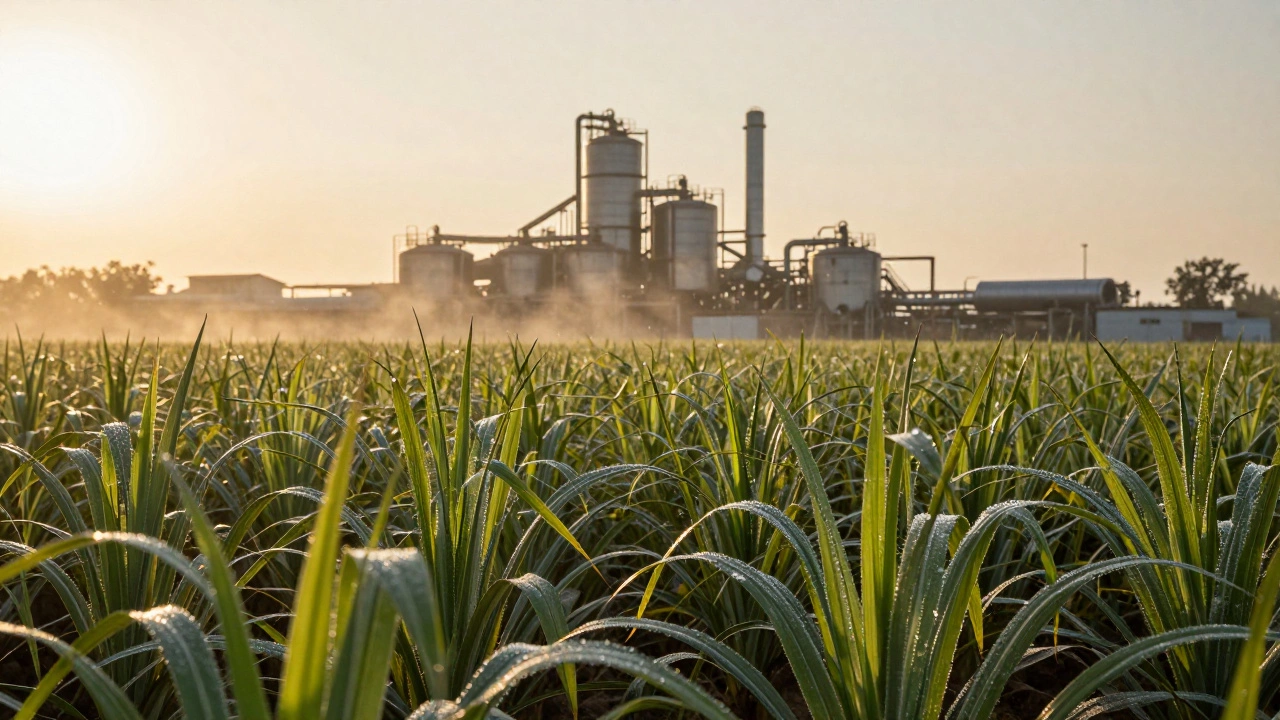
Concentrate is the proprietary formula. This stays highly controlled. It gets manufactured at specific blending facilities and shipped globally. Think of this as high-security cargo. You need strict inventory tracking for this. Sweeteners make up the bulk weight. Depending on the region, this is usually sugar or High Fructose Corn Syrup. In the United States, corn syrup dominates due to pricing. In Europe and South America, cane sugar is more common. This variation requires warehouses to handle different bulk densities.
Water is actually sourced locally at the bottling plant. Shipping water is too expensive. The logistics team taps into municipal sources or dedicated wells nearby. This minimizes transport emissions. Finally, packaging materials like plastic resin, glass, and aluminum arrive from manufacturers. These are heavy, bulky items that dictate warehouse racking systems and loading dock capacity.
| Material Type | Primary Source Location | Logistics Challenge |
|---|---|---|
| Concentrate | Central Blending Facilities | Temperature Control, Security |
| Sweeteners (Sugar/Syrup) | Agricultural Zones (Local/Regional) | Bulk Storage, Silo Capacity |
| Water | Local Municipal or Well | Quality Testing, Filtration |
| Packaging | Third-Party Manufacturers | High Volume, Pallet Stacking |
Regional Sourcing Strategies
There is no single map. Coca-Cola uses a franchise model. Independent bottlers buy the syrup from the parent company and produce the final drink locally. This structure dictates material flow. If you run a warehouse solutions operation, knowing this helps explain why distribution hubs exist near consumption points rather than production sites.
In North America, bottlers source sweeteners from the Midwest agricultural belt. Trucks move corn syrup via rail sidings directly into storage tanks. In Asia, coconut water or sugar cane might play a bigger role in local blends. This localization strategy reduces carbon footprints. Why ship heavy syrup across an ocean when you can grow the crop nearby?
This approach forces warehousing teams to adapt. A facility in Ohio handles liquid tankers differently than one in Japan. The infrastructure for receiving bulk liquids versus palletized goods varies significantly. Flexibility is the keyword. Systems need to track varying input types without disrupting throughput.
The Journey from Farm to Floor
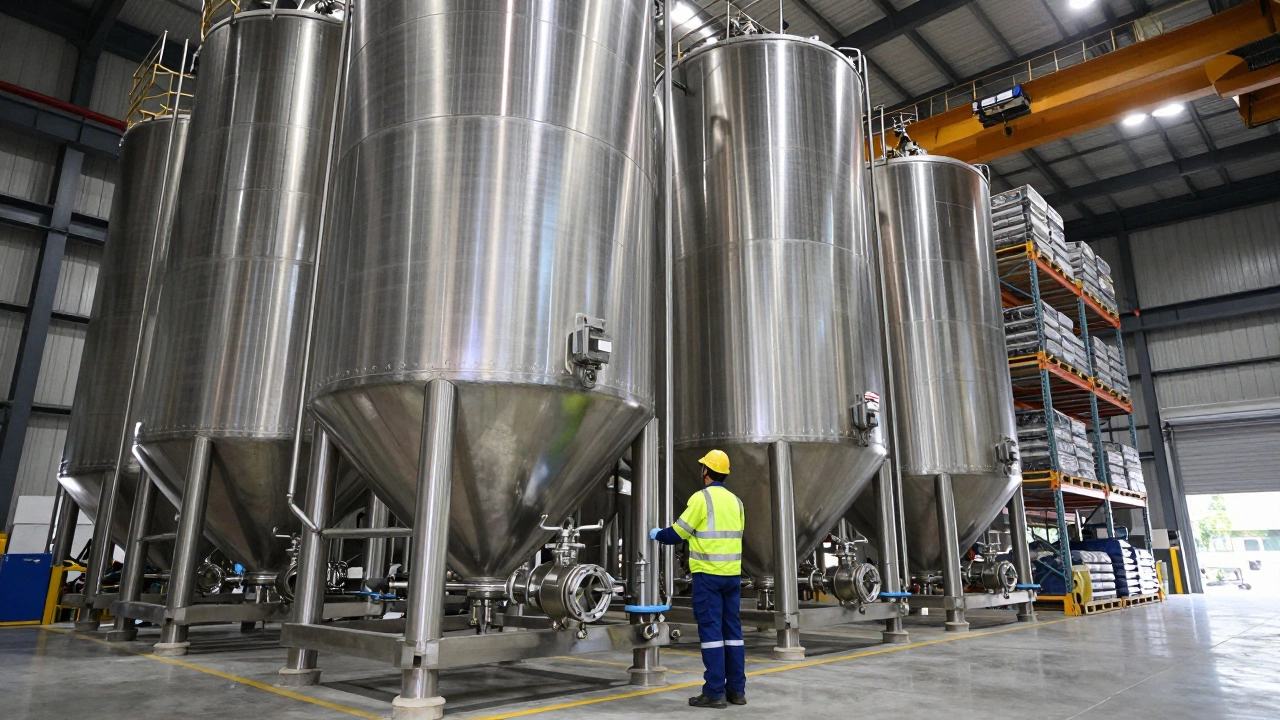
Once the truck arrives at the plant gate, the process shifts to internal logistics. Raw materials enter a receiving area designed for specific hazards. Sugar dust creates explosion risks. Liquid concentrates need climate-controlled zones. These safety protocols define the layout.
Bottling Plants function as hybrid manufacturing and storage sites. They aren't deep-storage distribution centers like Amazon fulfills orders. They prioritize immediate conversion. However, some inventory sits there for weeks. Managing shelf life becomes critical. Even stable ingredients expire. First-In, First-Out (FIFO) rotation is mandatory.
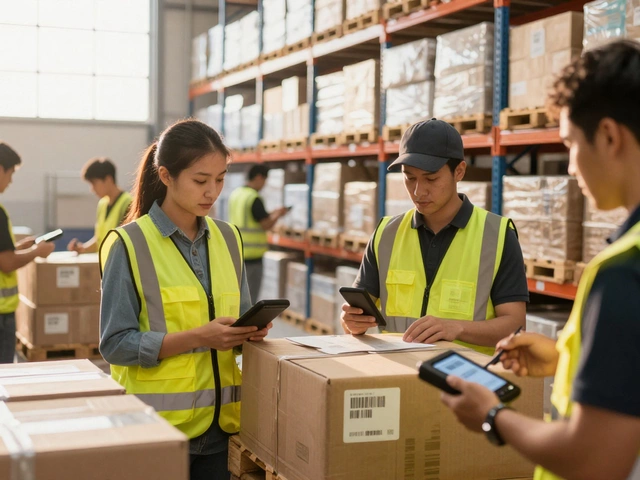
Warehousing technology here often includes barcode scanners linked to batch numbers. Traceability is non-negotiable. If a customer reports an issue, engineers need to trace the exact bag of sugar or roll of aluminum used in that case. This data lives in the WMS (Warehouse Management System).
Sustainability and Supply Chain Ethics
You cannot discuss modern sourcing without mentioning responsibility. Companies face scrutiny on environmental impact. Coca-Cola has set targets to replenish the water they use. This means buying water credits or funding watershed restoration projects.
Sustainable Sourcing is a practice ensuring raw materials are obtained without harming ecosystems or communities. For logistics, this adds layers to vendor selection. Suppliers must meet certification standards. It affects lead times. Audits happen regularly.
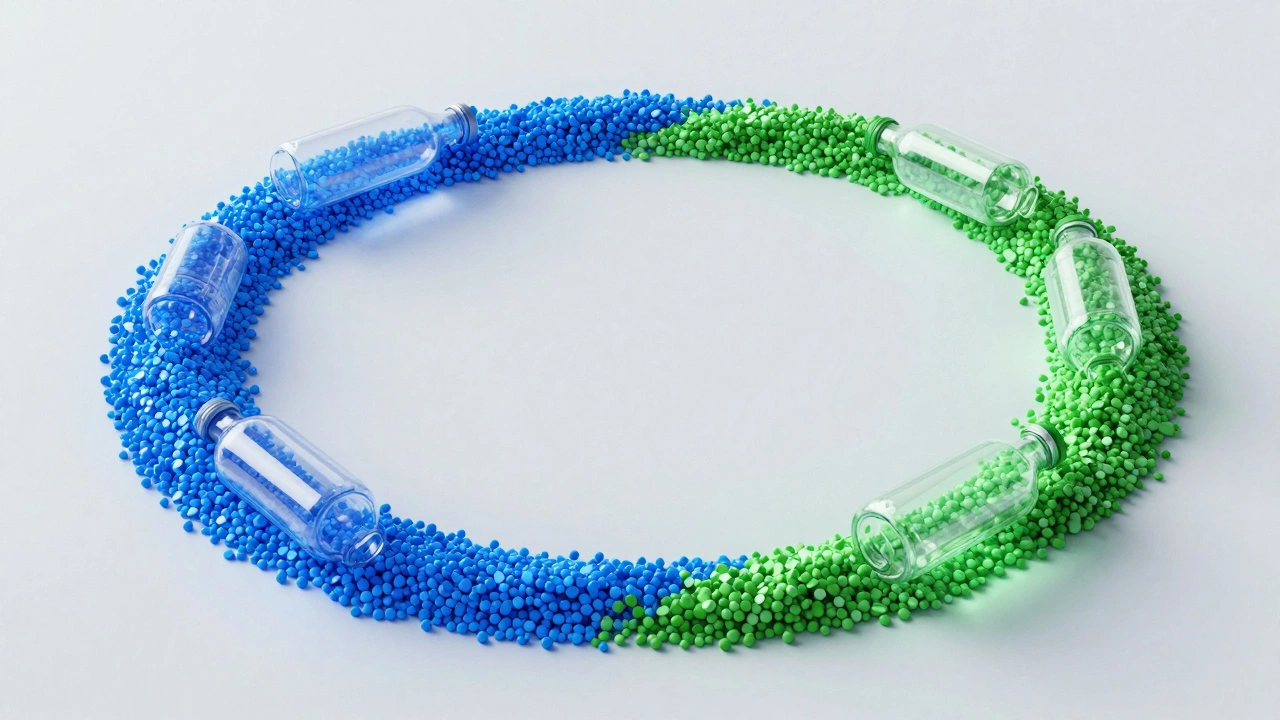
Another focus is packaging waste. Goals involve collecting as many bottles as possible for recycling. Reverse logistics comes into play here. Collection bins return empty plastics to reprocessing plants. Those plants melt the plastic into pellets. New bottles get molded from that same stream. Circular economy principles change how inventory counts work. Waste becomes feedstock.
Storage Conditions and Handling Risks
Different inputs require different environments. Humidity control protects cardboard cartons from warping. Temperature stability preserves the concentrate quality. Let's look at the practical side of this.
- Bulk Liquids: Stored in stainless steel tanks with constant monitoring valves. Safety interlocks prevent leaks during transfer.
- Cartoned Goods: Palletized in racking systems. Weight limits matter. Some materials compress easily.
- Hazmat: Cleaning agents and acids used for sanitation have dedicated storage. Segregation prevents contamination.
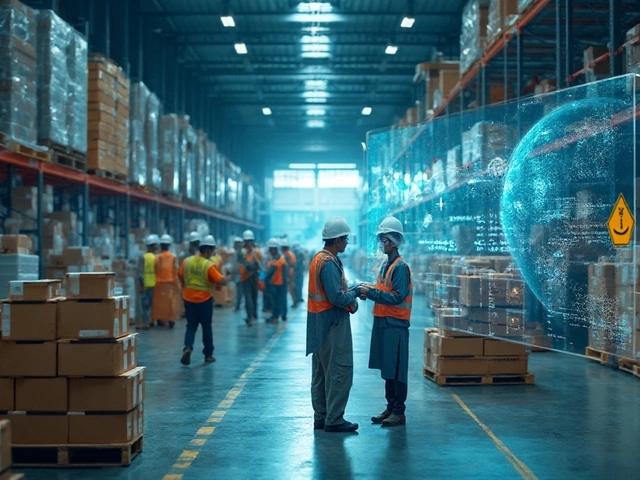
Warehouse staff receive specialized training. Forklift operators must understand load charts. Safety officers inspect for spills daily. These operational details are invisible to the consumer but vital for the manager.
Future Trends in Beverage Logistics
Looking ahead to 2026 and beyond, automation takes center stage. Autonomous mobile robots (AMRs) move pallets between the receiving dock and the production line. This reduces human error.
Data analytics predict demand spikes better. If a summer heatwave is forecasted, the system alerts procurement to stock more syrup and packaging early. Just-in-Time delivery gets tighter. Less buffer stock means lower holding costs. But it increases risk. If a supplier fails, production halts immediately.
Electric vehicle fleets deliver materials to cut emissions. Charging stations become part of the yard management plan. Space allocation must account for chargers. This influences site design for new facilities.
Lessons for Your Operation
What does this mean for your day-to-day work? Study the integration. Don't treat receiving as just moving boxes. Understand what is inside them. Knowledge of chemical composition aids safety compliance.
Build relationships with upstream suppliers. Visibility matters. When you know when the sugar truck leaves the farm, you know when your slot opens. Communication reduces congestion at the docks. Efficiency gains accumulate quickly.
Also, prepare for variability. Seasonal crops fluctuate. Prices change based on harvest yields. Your procurement strategy needs flexibility built in. Switching suppliers shouldn't crash the system.
Does Coca-Cola own its farms?
No, they generally partner with independent farmers. They provide guidance on cultivation practices to ensure quality and sustainability standards are met without owning the land directly.
How is water managed in the supply chain?
Water is sourced locally at bottling plants to minimize transport. The company invests in community water replenishment projects to balance the usage taken from natural sources.
What happens to excess packaging materials?
Leftover packaging is often sent to recycling streams. The goal is to increase the percentage of recycled content in new containers, reducing reliance on virgin materials.
Are the sourcing locations public information?
General regions are disclosed in sustainability reports, but specific supplier names and addresses remain confidential for competitive reasons.
How does weather affect raw material supply?
Severe weather impacts crop yields like sugar cane or corn. Operations adjust by switching sweetener types or sourcing from unaffected geographic regions to maintain production levels.