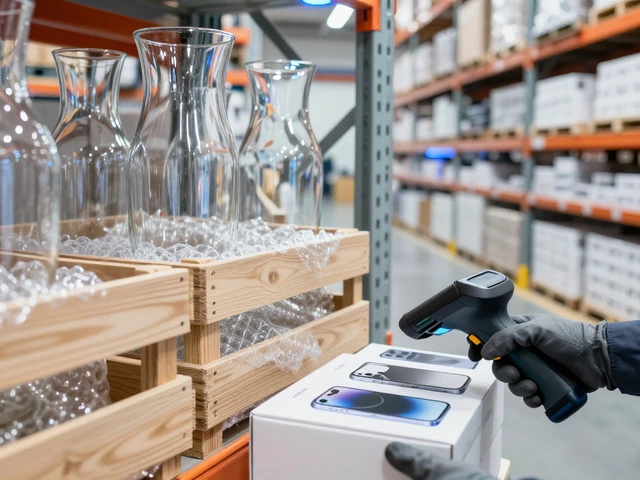
Private Courier vs. Public Carrier Calculator
Shipment Details
Analysis Results
Enter your shipment details to see the cost-benefit analysis.
Imagine you have a package that needs to reach a client in the next city by noon. You call the big national carrier, but they say it will arrive tomorrow morning at best. Now imagine calling a local operator who has a van ready to go right now. That is the core difference between a standard postal service and a private courier service. While public carriers like USPS, Royal Mail, or Canada Post operate on fixed schedules and massive volume, private couriers offer flexibility, speed, and direct accountability.
In 2026, with e-commerce expectations shifting toward instant gratification, understanding this distinction is crucial for businesses and individuals alike. A private courier service isn't just a faster version of regular mail; it is a distinct logistical model built on exclusivity and customization. Let's break down exactly what these services are, how they operate, and when you should choose them over traditional shipping options.
The Core Definition: What Makes a Courier "Private"?
At its simplest, a private courier service is a company that provides door-to-door delivery using its own dedicated resources. Unlike public carriers that aggregate millions of packages into a centralized network, private couriers often operate with smaller, more agile fleets. The term "private" here refers to the business model rather than the secrecy of the package. It means the service is privately owned and operated, often focusing on specific regions or niches rather than global mass transit.
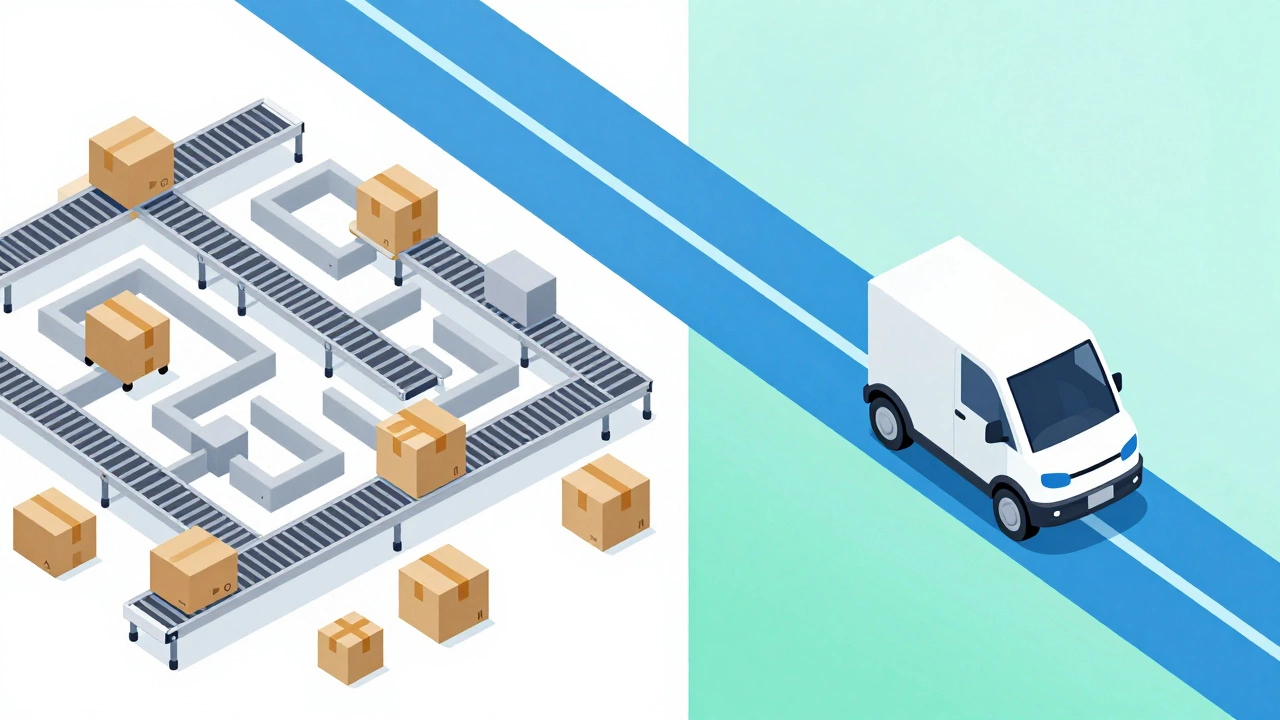
The key attribute of this model is control. When you hire a private courier, you are usually dealing directly with the dispatcher or the driver. There are fewer handoffs. In a public system, your package might pass through three different sorting facilities and be handled by five different employees before reaching the recipient. With a private courier, one person might pick up the item and deliver it themselves, or it moves through a tightly controlled, localized network.
This structure enables services that public carriers simply cannot match economically. Think about medical samples that need temperature-controlled transport, legal documents that require immediate signature verification, or high-value electronics that need white-glove handling. These aren't just packages; they are critical assets requiring specialized attention.
How Private Couriers Differ from Public Carriers
To truly understand the value proposition, we need to look at the operational differences. Public carriers rely on economies of scale. They make money by moving millions of items efficiently, even if individual tracking is less granular. Private couriers rely on service differentiation. They charge a premium for speed, reliability, and personalization.
| Feature | Private Courier Service | Public Carrier (e.g., UPS, FedEx, Postal) |
|---|---|---|
| Fleet Ownership | Owned or exclusively leased by the company | Shared network, often subcontracted last-mile drivers |
| Delivery Speed | Same-day, hour-specific, or on-demand | Next-day, 2-3 days, or economy (5-7 days) |
| Pricing Model | Flat rate, hourly, or custom quotes based on urgency | Zonal pricing based on weight and distance |
| Tracking Granularity | Real-time GPS, photo proof of delivery, direct driver contact | Scan-based updates at facility checkpoints |
| Handling Protocol | White-glove, temperature-controlled, fragile handling | Standardized automated sorting and handling |
One major difference is the "last mile." In logistics, the last mile is the final step of the delivery process, bringing the package from a transportation hub to the end-user. This is where most delays happen in public systems. Private couriers often bypass the central hubs entirely. If you live in Toronto and need something delivered in Vancouver, a private courier might use a dedicated truck or flight charter rather than waiting for the next scheduled commercial cargo slot.
Another critical distinction is customer support. With a public carrier, you call a generic hotline and wait on hold. With a private courier, you often get a direct line to a dispatch manager who knows your account history. This human element reduces friction when things go wrong, which is essential for time-sensitive operations.
Key Types of Private Courier Services
Not all private couriers are the same. The industry has segmented into several specialized categories to meet diverse needs. Understanding these types helps you choose the right partner for your specific job.
- On-Demand Same-Day Delivery: These services operate like ride-sharing for packages. You book via an app, a driver picks up the item within minutes, and delivers it immediately. This is common in urban centers for food, retail returns, or urgent documents. Companies in this space focus on speed above all else.
- Dedicated Contract Carriers: Large corporations sometimes hire private courier firms exclusively for their logistics. For example, a hospital chain might contract a private firm to move lab samples between campuses daily. This ensures consistency and security that shared networks can't guarantee.
- Specialized Freight Couriers: Some private couriers handle oversized or heavy items that don't fit in standard vans. Think of art galleries transporting paintings or tech companies moving server racks. These services include insurance, specialized packing, and careful handling protocols.
- Cross-Border Express Couriers: While public carriers dominate international shipping, some private firms specialize in rapid cross-border movement. They handle customs clearance internally, speeding up the process for high-value goods moving between countries like the US and Canada.
In 2026, the rise of electric vehicles (EVs) has also created a new sub-segment: eco-friendly private couriers. Businesses looking to reduce their carbon footprint often choose these providers, who use fully electric fleets for local deliveries. This isn't just marketing; it's a tangible attribute that affects brand reputation and compliance with green logistics regulations.
When Should You Use a Private Courier?
Choosing a private courier is rarely about cost savings. It is almost always about risk mitigation and time sensitivity. Here are the scenarios where a private service makes the most sense.
Urgent Medical Supplies: Hospitals and clinics frequently use private couriers for blood samples, organs for transplant, or rare medications. The margin for error here is zero. A delay of an hour can be catastrophic. Private couriers provide guaranteed time windows and temperature monitoring logs that public carriers do not.
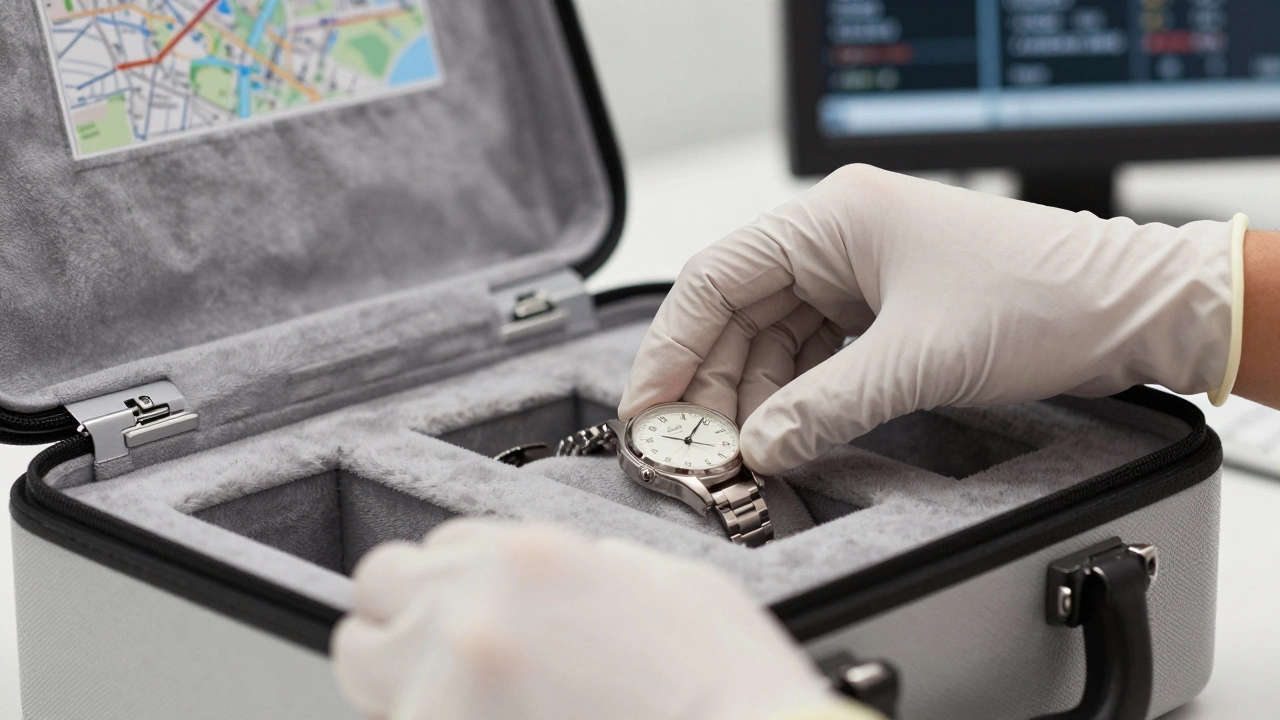
High-Value Retail Returns: Luxury brands and electronics retailers often prefer private couriers for returns. Why? Because theft and damage rates are lower. A private driver handles the item with care, and the transaction is recorded with photos and signatures. This reduces fraud and improves customer satisfaction.
Legal and Financial Documents: Contracts, deeds, and financial instruments often require immediate delivery to meet closing deadlines. A private courier can ensure the document arrives at a specific office by a specific time, with proof of delivery sent instantly to all parties involved.
Event Logistics: Wedding planners, concert organizers, and conference hosts rely on private couriers to move props, signage, and equipment between venues. The ability to schedule multiple stops and handle bulky items makes private services indispensable for event management.
If your package can wait three days and doesn't contain sensitive data or fragile items, a public carrier is likely more cost-effective. But if failure to deliver on time costs you money, reputation, or trust, a private courier is the safer bet.
Cost Considerations and Pricing Models
Price is the biggest barrier to entry for private couriers. You are paying for convenience and certainty. However, the pricing models vary significantly depending on the type of service.
Flat Rate per Drop: Many same-day services charge a flat fee for deliveries within a certain radius. For example, a $15 fee for any delivery within 10 miles. This is predictable and easy to budget for small businesses.
Hourly Charter: For larger jobs, you might hire a van and driver for a set number of hours. This is useful if you have multiple pickups and drop-offs throughout the day. You pay for the time, not just the distance.
Custom Quotes: For specialized freight or long-distance express runs, prices are negotiated based on weight, distance, and urgency. This allows for flexibility but requires more upfront planning.
It is important to note that hidden fees are less common in private courier services because the relationship is more direct. However, you should always ask about fuel surcharges, tolls, and wait times. A transparent provider will give you a clear breakdown before you commit.
The Future of Private Courier Services in 2026
The landscape of private courier services is evolving rapidly. Technology is playing a huge role. Real-time GPS tracking is now standard, but AI-driven route optimization is becoming the norm. Algorithms predict traffic patterns and adjust routes dynamically to ensure on-time delivery.
Another trend is the integration of autonomous vehicles. While fully self-driving trucks are still in testing phases, some private couriers are using drones for lightweight, short-distance deliveries in suburban areas. This reduces labor costs and increases speed for non-urgent items.
Sustainability is also driving change. As cities implement low-emission zones, private couriers are forced to electrify their fleets. This shift benefits the environment and often results in quieter, smoother deliveries for urban residents.
For businesses, the future lies in hybrid models. Combining the reach of public carriers with the agility of private couriers for the last mile. This approach offers the best of both worlds: cost-effective long-haul transport and reliable, fast final delivery.
Is a private courier service more expensive than regular shipping?
Yes, generally speaking. Private courier services charge a premium for speed, personalized handling, and real-time tracking. However, for high-value or time-sensitive items, the cost of potential delays or damage with cheaper carriers can far exceed the price of a private service.
Can I track my package with a private courier?
Absolutely. Most private courier services offer superior tracking compared to public carriers. You can often see the driver's location in real-time on a map, receive notifications when the package is picked up and delivered, and sometimes even communicate directly with the driver.
What kind of items are best suited for private couriers?
Private couriers are ideal for fragile items, high-value goods, perishable foods, medical supplies, legal documents, and anything that requires same-day or specific time-window delivery. If your item needs special handling or immediate attention, a private courier is the right choice.
Do private couriers operate internationally?
Are private couriers insured?
Reputable private courier services carry comprehensive insurance for lost or damaged goods. However, coverage limits vary. Always check the policy details and consider purchasing additional insurance for extremely valuable items. Public carriers also offer insurance, but claims processes can be slower and more bureaucratic.
How do I find a reliable private courier in my area?
Start by checking online reviews and ratings. Look for companies that specialize in your specific needs, such as medical or legal deliveries. Ask for references and inquire about their tracking technology and insurance policies. Local business associations can also recommend trusted providers.