WMS for 3PL: What It Is and How It Powers Modern Logistics
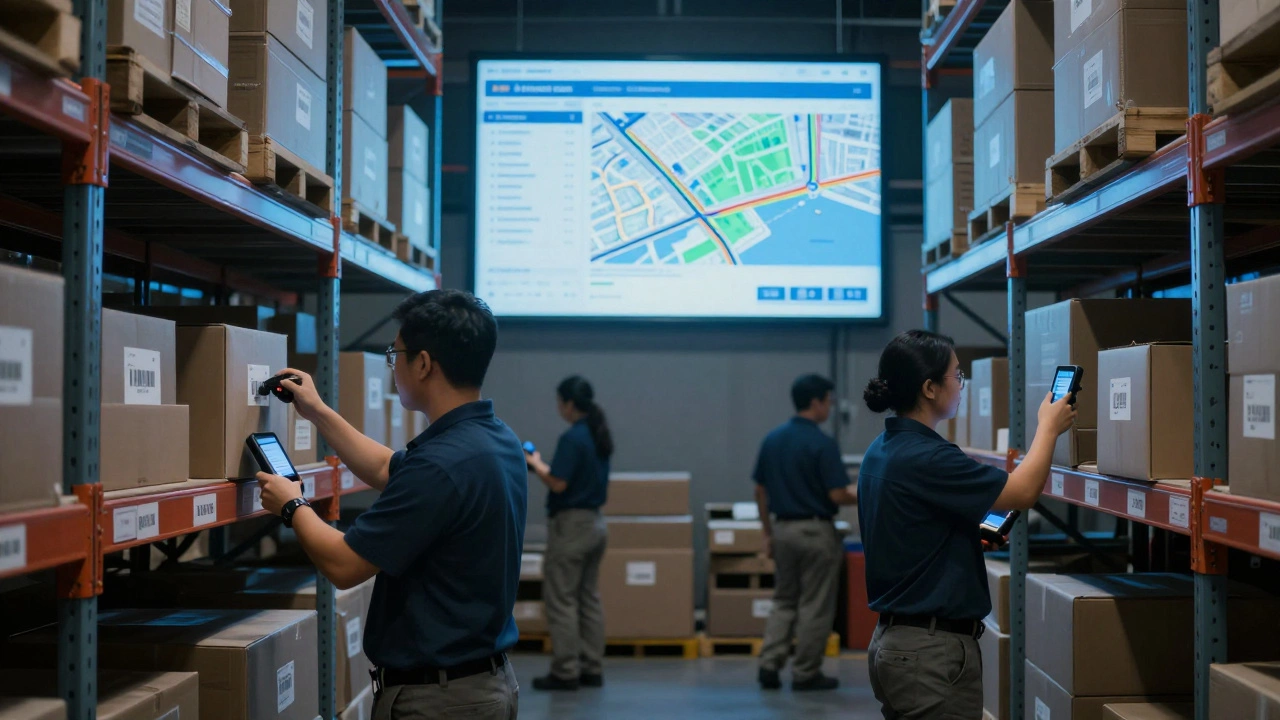
When you think about moving goods across the country, you might picture trucks and warehouses—but the real magic happens in the WMS for 3PL, a warehouse management system designed specifically for third-party logistics providers to track, organize, and move inventory with precision. It’s not just software—it’s the brain behind every order that ships on time, every pallet that gets picked correctly, and every mistake that gets avoided before it happens.
A WMS, a system that controls warehouse operations like receiving, storing, picking, packing, and shipping is what turns a messy storage space into a smooth-running machine. For 3PL, a third-party logistics provider that handles shipping, warehousing, and fulfillment for other businesses, this isn’t optional—it’s survival. Without a solid WMS, a 3PL can’t scale, can’t track inventory in real time, and can’t meet the expectations of e-commerce clients who demand next-day delivery. Companies like Amazon, UPS, and DHL don’t just use WMS—they built their entire business model around it.
Think about what happens when you order a phone online. That product might sit in a warehouse owned by a 3PL, not the brand itself. The WMS tells a worker exactly where to find it, which box to pack it in, and which carrier to send it with—all in under five minutes. It syncs with shipping labels, updates stock levels automatically, and flags low inventory before it becomes a problem. This isn’t sci-fi. It’s daily work for thousands of warehouses right now.
And it’s not just about speed. A good WMS cuts costs by reducing labor errors, minimizing lost items, and optimizing space. It connects with ERP systems, carrier APIs, and even barcode scanners. Some even use AI to predict which products will sell next week and move them closer to the packing stations. If you’re running or working with a 3PL, understanding WMS isn’t just helpful—it’s essential.
What you’ll find below are real-world breakdowns of how WMS fits into logistics, what features actually matter, and which companies are getting it right. From SAP EWM to warehouse robotics, from inventory tracking to last-mile coordination—you’ll see how the tools behind the scenes make modern shipping possible.