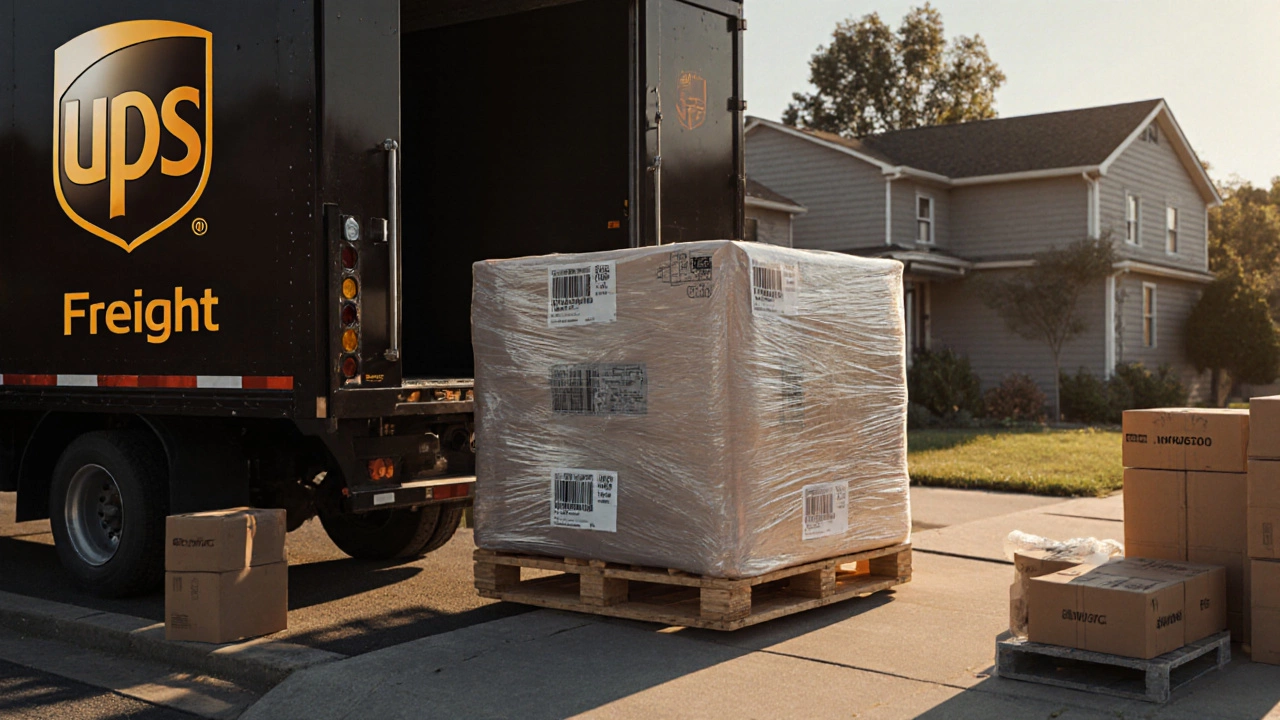
Pallet Shipping Rates: What You Really Pay to Move Goods
When you ship something on a pallet, a flat wooden or plastic platform used to stack and move goods. Also known as skid, it's the backbone of commercial shipping—used by warehouses, retailers, and manufacturers to move everything from furniture to electronics safely. But here’s the thing: pallet shipping rates aren’t set in stone. They jump around based on weight, distance, speed, and even the time of year. You can’t just Google a number and expect it to be right for your shipment.
What drives those rates? First, LTL shipping, Less Than Truckload freight, where your pallet shares space with others on the same truck is the most common way small to mid-sized businesses ship pallets. It’s cheaper than a full truck, but you pay based on how much space your pallet takes up, not just its weight. Then there’s freight shipping cost, the total price to move goods by truck, rail, or ship, including fuel, handling, and accessorial fees. Many people forget about accessorial charges—like liftgate service, residential delivery, or inside delivery—and get shocked when the final bill arrives.
Size matters too. A standard pallet is 48x40 inches, but if your load sticks out, is over 70 inches tall, or weighs more than 1,500 pounds, rates go up fast. Carriers also look at density—how heavy your goods are for their size. A pallet of feathers costs way less to ship than a pallet of bricks, even if they’re the same size. And don’t assume all carriers charge the same. Some charge by weight zones, others by class (which is based on density, handling, value, and stowability). You need to know your freight class to get accurate quotes.
Where you’re shipping to makes a huge difference. Moving a pallet from Chennai to Bangalore costs a fraction of sending it to Delhi or Kolkata. Rural areas add surcharges. Weekend deliveries? Extra. Holidays? Double. And if you’re shipping internationally, customs paperwork, duties, and inland transport add layers you can’t ignore. That’s why freight forwarders—companies that handle the whole chain from pickup to delivery—are so useful. They bundle services, negotiate rates, and know the hidden traps.
What you’ll find in the posts below aren’t generic rate charts. They’re real breakdowns from people who’ve shipped pallets—what they paid, what went wrong, and how they saved money. You’ll see comparisons between carriers, tips on packing to avoid damage fees, and how to read a freight quote so you don’t get ripped off. Whether you’re shipping your first pallet or trying to cut costs on your tenth, these posts cut through the noise and give you the facts you need to move your goods without overpaying.