Logistics Skills Self-Assessment
How Ready Are You for Logistics?
Take this 4-minute assessment to understand your core logistics skills. Based on the article, you don't need a degree - but you do need these four key abilities.
Is logistics hard to learn? If you’ve ever watched a delivery truck pull away from a warehouse, or wondered how your online order shows up at your door in two days - you’ve seen logistics in action. But learning it? That’s a different question. The short answer: it’s not as hard as people make it sound, but it’s not easy either. It’s not about memorizing formulas or mastering advanced math. It’s about understanding systems, solving problems in real time, and staying calm when things go sideways.
What logistics really is (and isn’t)
Logistics isn’t just delivery trucks and shipping labels. It’s the invisible network that moves everything - from the steel for your car to the medicine in your pharmacy. It includes warehouse operations, inventory tracking, transportation routing, customs clearance, and supplier coordination. Think of it as the backstage crew of the global economy. You don’t see them, but if they mess up, the show stops.
Many people assume you need a degree in supply chain management to get in. That’s not true. Many logistics professionals started as warehouse workers, truck drivers, or customer service reps. What matters isn’t your title - it’s whether you can keep track of 500 packages, spot a bottleneck before it clogs the system, and communicate clearly with drivers, managers, and clients.
The core skills you actually need
You don’t need to be an engineer. But you do need four basic abilities:
- Organization - Keeping dozens of shipments on track means juggling deadlines, locations, and priorities. If you’re the kind of person who loses your keys, logistics might feel overwhelming at first.
- Problem-solving - A truck breaks down. A warehouse runs out of pallets. A customs form gets rejected. Real logistics is about fixing things fast, not following a manual.
- Attention to detail - One wrong barcode can delay a whole shipment. One misread address can cost a company thousands. Small mistakes have big consequences.
- Communication - You’ll talk to drivers, warehouse staff, import agents, and customers. If you can’t explain a delay clearly and calmly, you’ll lose trust fast.
These aren’t skills you learn in a classroom. You build them on the job. Many companies train new hires in-house. You’ll start with basic tasks - scanning packages, loading trailers, updating systems. Over time, you’ll move into planning routes, managing inventory, or coordinating with carriers.
Tools you’ll use (and they’re not scary)
Logistics has tools - lots of them. But you don’t need to be tech-savvy to use them. Most systems are designed for people who aren’t IT experts.
For example:
- WMS (Warehouse Management Systems) - These help track where every box is in a warehouse. They show you which aisle to go to, what to pick, and when to ship. You learn by doing - usually in a day or two.
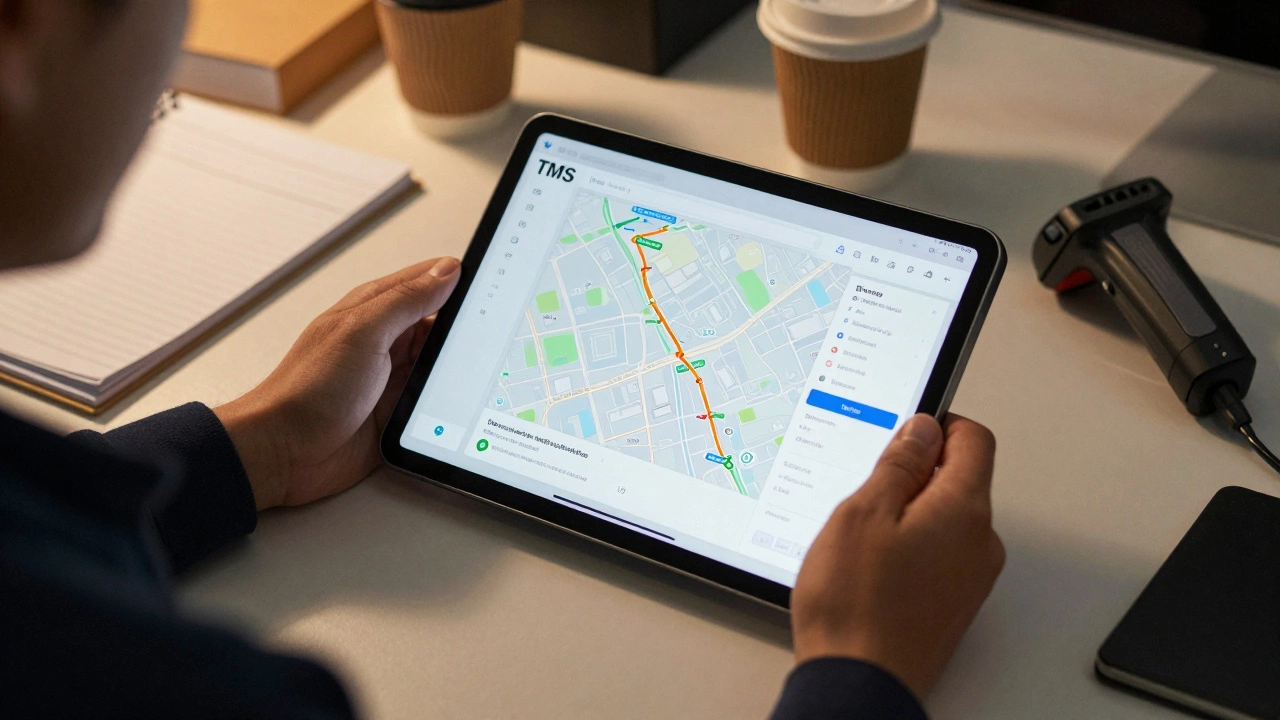
- TMS (Transportation Management Systems) - These help plan truck routes, pick the cheapest carrier, and track delivery status. You don’t need to code. You just input addresses and click "optimize."
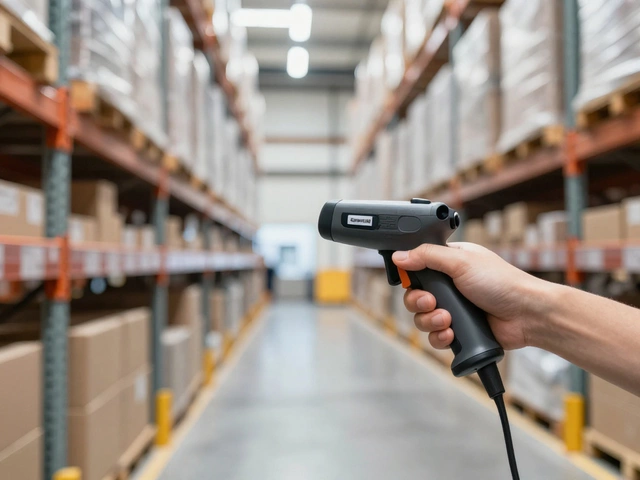
- Barcode scanners and handheld devices - These are like the ones at grocery stores. You scan, you confirm, you move on.
Most logistics software has simple interfaces. If you can use a smartphone app, you can learn these tools. Companies don’t hire you because you know the software - they hire you because you’re reliable, and then they teach you how to use it.
Real people, real paths
Let’s talk about who actually works in logistics.
Jamal started as a night shift loader at a Toronto distribution center. He didn’t have a college degree. He learned how to use the WMS by watching others. Within a year, he was managing inventory. Now he trains new hires.
Maria was a customer service rep for an e-commerce company. She kept getting calls about missing packages. She started asking why they got lost. She learned how tracking systems worked, then asked to join the logistics team. Today, she plans delivery routes for 300 shipments a day.
These aren’t rare stories. They’re common. People move into logistics from retail, manufacturing, military service, even hospitality. The barrier isn’t knowledge - it’s willingness to show up, pay attention, and ask questions.
Where it gets tough - and how to handle it
Yes, logistics has hard parts. It’s not all smooth sailing.
- Long hours - Warehouses don’t close at 5 p.m. If a shipment is late, you’re there until it’s handled.
- High pressure - Miss a deadline, and a whole store goes without stock. Customers get angry. Managers get stressed.
- Changing rules - Customs regulations, fuel costs, carrier policies - they shift often. You have to stay updated.
But here’s the thing: these aren’t reasons to avoid logistics. They’re reasons to build resilience. The best logistics professionals aren’t the smartest. They’re the ones who don’t quit when things get messy.
Most companies offer shift rotations, overtime pay, and training to help you adapt. If you’re okay with hard work and steady routines, you’ll thrive. If you hate unpredictability, you might struggle.

How to start - no experience needed
If you’re wondering how to break in, here’s how most people do it:
- Apply for entry-level roles: warehouse associate, package handler, delivery driver, or inbound logistics clerk.
- Ask questions. Don’t pretend you know everything. People respect honesty.
- Learn one system at a time. Master scanning. Then learn how to update inventory. Then track shipments.
- Look for internal training. Most logistics companies offer certifications in safety, inventory control, or software use - often for free.
- Move up slowly. Take on small responsibilities. Volunteer for extra tasks. Show you can be trusted.
You don’t need a degree. You don’t need a fancy resume. You just need to show up, do your best, and keep learning.
Is logistics hard to learn? The bottom line
It’s not hard if you’re willing to work at it. It’s not easy if you expect quick wins. But compared to other careers - like coding, medicine, or law - logistics has low entry barriers and clear paths forward.
There’s no secret formula. No hidden test. Just a system that runs on people who pay attention, show up on time, and fix problems before they explode.
If you’re organized, patient, and willing to learn by doing, logistics isn’t just learnable - it’s one of the most accessible, stable, and growing fields out there. And in a world where everything moves faster, someone has to make sure it gets there. That someone could be you.