Introvert-Friendly Logistics Career Calculator
Find your perfect logistics role based on your experience level. Many positions require only basic computer skills and attention to detail—no sales or leadership experience needed.
Your Ideal Logistics Role
Based on your preferences
Why this role fits you: This position focuses on data accuracy and systems management with minimal social interaction—perfect for introverts who value predictable work environments.
Many introverts dread the idea of a job that demands constant talking, networking, or being the center of attention. But what if you could work in a fast-moving, high-demand industry-like logistics-without ever having to pitch a sale or lead a team meeting? The truth is, logistics isn’t one job. It’s dozens of them. And many of them are quietly perfect for introverts.
Logistics Isn’t Just Driving Trucks or Talking to Clients
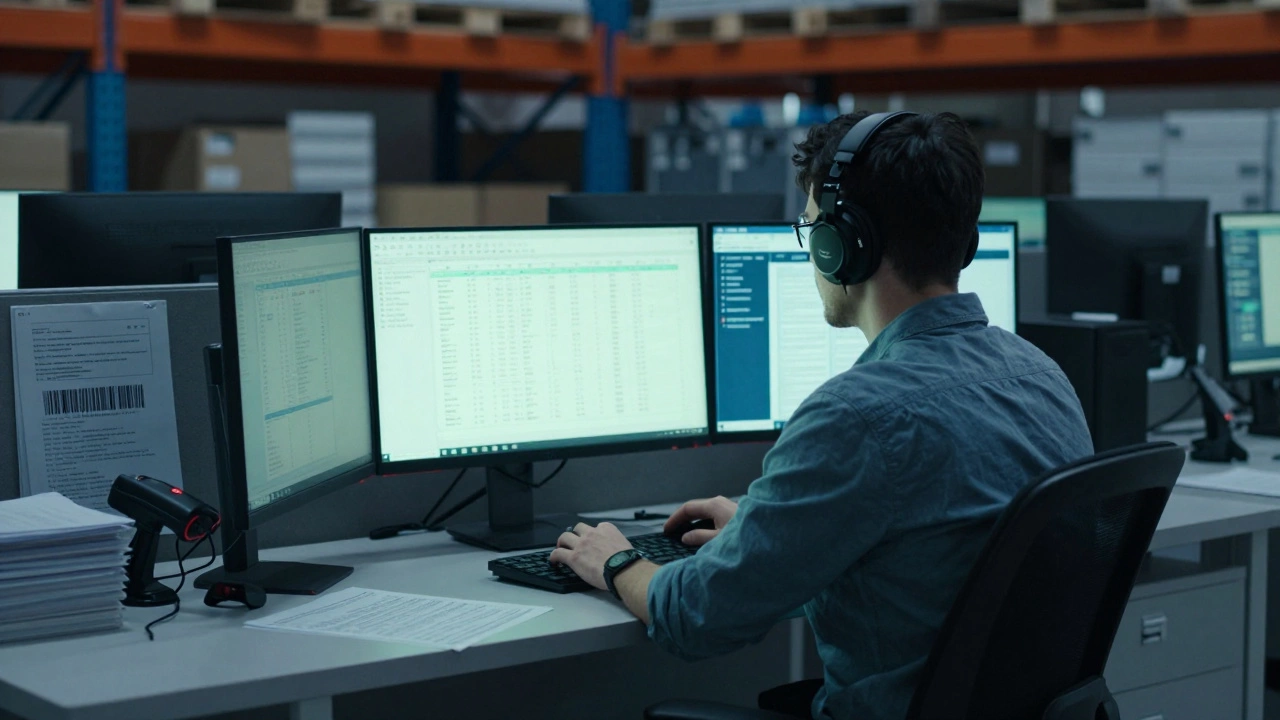
When people think of logistics, they picture delivery drivers yelling into radios or warehouse managers barking orders. But that’s only a small slice of the field. Most logistics roles are behind the scenes, focused on systems, data, and precision-not people. In fact, the biggest growth areas in logistics right now are the ones that require deep focus, not small talk.Take inventory management, for example. A warehouse specialist might spend eight hours a day scanning barcodes, updating digital logs, and reconciling stock levels. No one interrupts them. No one expects them to make small talk at the water cooler. They’re solving puzzles with numbers, not people.
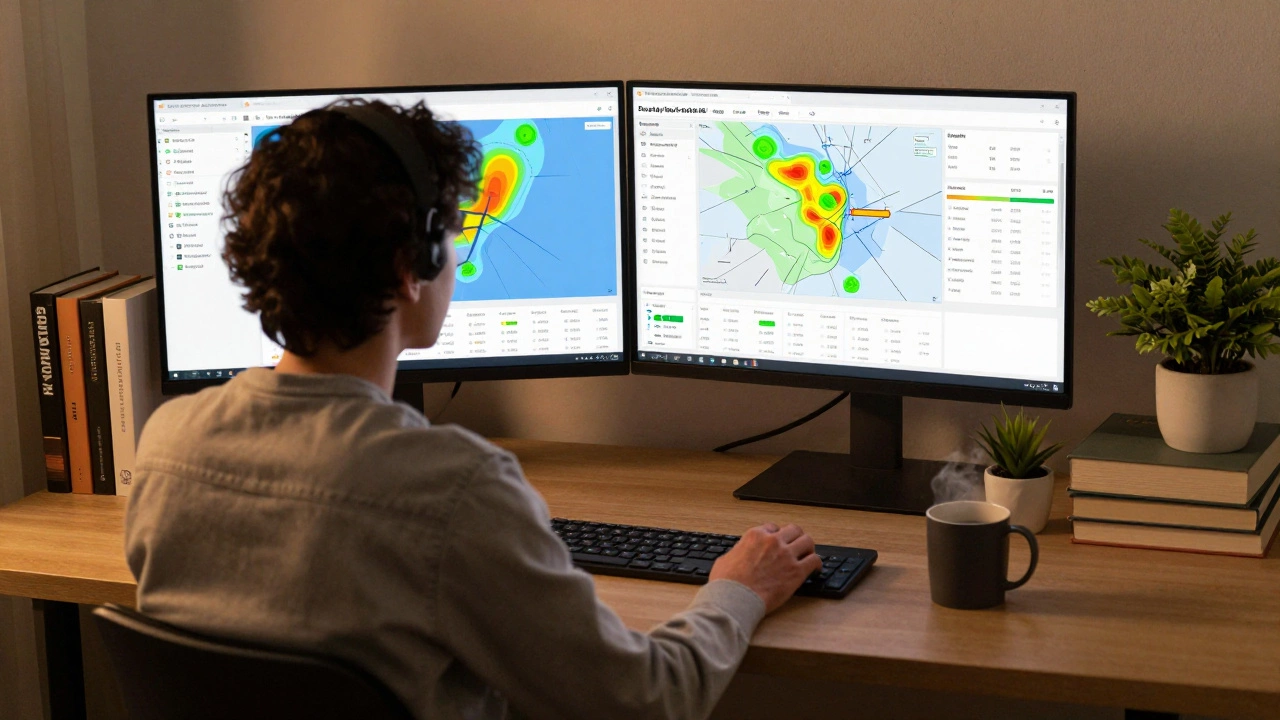
Or consider route optimization analysts. These are the people who use software to figure out the fastest, cheapest way to move goods across a region. They work with algorithms, historical data, and real-time traffic feeds. Their success isn’t measured by how charming they are-it’s measured by how many miles they saved last month.
Quiet Roles That Pay Well and Are in Demand
Here are five logistics roles that are naturally introvert-friendly, based on real job postings from companies like Amazon, DHL, and FedEx in 2025:- Inventory Control Specialist - Tracks stock levels using ERP systems. Works alone in a warehouse office. Average salary: $52,000/year in Canada.
- Logistics Data Analyst - Uses Excel, SQL, or Power BI to spot delays, predict shortages, and improve efficiency. Often remote or in a quiet cubicle. Average salary: $68,000/year.
- Warehouse Operations Coordinator - Schedules shifts, manages equipment maintenance logs, and writes procedural docs. Minimal customer contact. Average salary: $58,000/year.
- Freight Documentation Clerk - Handles bills of lading, customs forms, and compliance paperwork. Works with documents, not voices. Average salary: $49,000/year.
- Supply Chain Auditor - Reviews processes for errors, inefficiencies, or risks. Often works independently with spreadsheets and audit trails. Average salary: $72,000/year.
These aren’t entry-level dead-end jobs. They’re the backbone of global supply chains. And they’re growing. According to Statistics Canada, logistics support roles increased by 14% between 2022 and 2025, with over 80% of new hires placed in non-customer-facing positions.
You Don’t Need to Be a People Person to Advance
One myth about logistics is that if you want to move up, you have to become a manager who leads meetings and gives pep talks. That’s not true. Many logistics companies now have dual career tracks: one for people who lead teams, and one for people who lead systems.At companies like Loblaws Logistics and Canada Post, you can become a Senior Logistics Analyst without ever managing a single person. Your promotion comes from improving warehouse throughput by 12%, reducing paperwork errors by 30%, or cutting fuel costs through smarter routing. It’s all measurable. All quiet. All respected.
Even in larger firms, technical specialists often earn more than managers. A Senior Route Optimization Engineer at UPS Canada makes more than the regional operations supervisor-not because they’re louder, but because they solve harder problems.
What About the Noise? How Do You Handle the Warehouse?
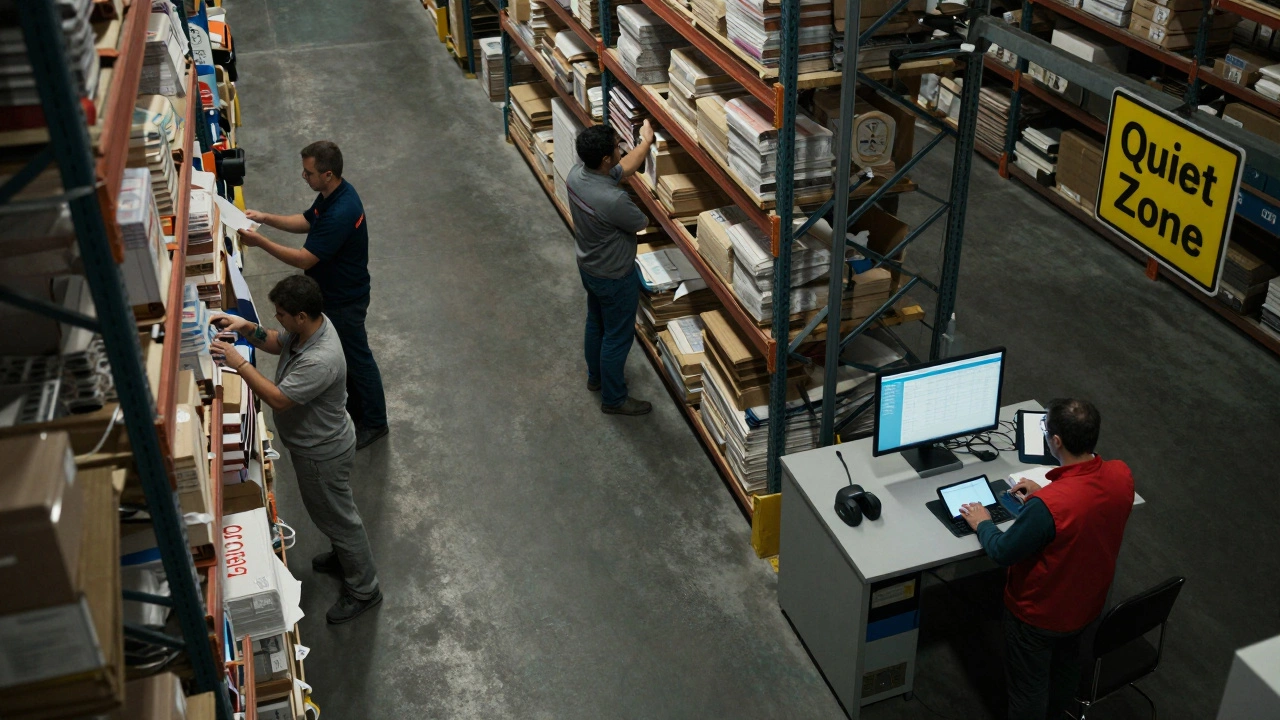
Yes, some logistics jobs are loud. Forklifts beep. Pallet jacks rattle. Conveyor belts hum. But noise isn’t the same as social pressure. Many introverts find warehouse environments calming precisely because they’re predictable. There’s a rhythm to the work. You know what’s expected. You can wear headphones. You can focus on your task without being pulled into conversations.And if you’re truly sensitive to noise? Many warehouses now have quiet zones for data entry, planning, and auditing. Some even offer noise-canceling headsets as standard equipment. The industry has adapted-not just for safety, but for productivity. And that includes people who work best in low-stimulation environments.
How to Get Started Without a Degree
You don’t need a college degree to start in logistics. Most of the introvert-friendly roles only require:- Basic computer skills (Excel, Google Sheets)
- Attention to detail
- Ability to follow written procedures
- Reliability
Many community colleges in Ontario and Quebec offer six-week certifications in warehouse operations or supply chain basics. These cost under $500 and are often funded by provincial job training programs. After that, you can apply for entry-level roles at local distribution centers.
Some companies, like Amazon fulfillment centers in Mississauga and Brampton, hire directly off the street. They train you on the system. You start as a picker or packer. After six months, you can move into inventory control or data entry roles-with no interviews, no networking, no pressure to be someone you’re not.
Red Flags to Watch Out For
Not every logistics job is quiet. Avoid roles that list these as requirements:- “Must be comfortable with daily customer interaction”
- “Required to attend weekly team huddles”
- “Must represent department at company events”
- “Strong communication skills needed (verbal)”
If you see those phrases, the role likely involves more people work than you want. Look for job titles that include “analyst,” “coordinator,” “specialist,” or “clerk.” These are your signals.
Also avoid jobs that require on-call rotation for “urgent client issues.” Those are usually customer service roles disguised as logistics. Real logistics problems are solved with systems, not phone calls.
Real People, Real Stories
In Toronto, a 32-year-old named Mark switched from retail management to warehouse data entry after burnout. He’d hated the constant social demands. Now he works alone in a climate-controlled office, running reports on shipment accuracy. He says: “I used to feel exhausted after work. Now I come home and read. I actually have energy left.”In Calgary, a former librarian took a logistics documentation job after her library closed. She’d always liked organizing things. Now she handles customs paperwork for cross-border shipments. “I never had to speak to a single customer,” she says. “But I feel useful.”
Logistics Is One of the Last Quiet Careers Left
In a world where every job seems to demand you be a brand, a personality, a networker-logistics quietly resists. It doesn’t care if you’re shy. It only cares if your numbers add up, your labels match, and your trucks leave on time.There’s dignity in that kind of work. And for introverts, it’s rare. You can build a solid, well-paying career without ever having to fake extroversion. You don’t need to be loud to be valuable. You just need to be accurate.
Can introverts succeed in logistics without being managers?
Yes. Many logistics companies now offer technical career tracks where advancement is based on problem-solving, data accuracy, and process improvements-not leadership. Roles like Logistics Analyst, Inventory Specialist, or Freight Auditor can reach $70,000+ without managing anyone.
Do I need a degree to work in logistics as an introvert?
No. Most introvert-friendly roles only require basic computer skills and attention to detail. Certifications from community colleges (often under $500) are enough to get hired. On-the-job training is standard.
Are warehouse jobs too noisy for introverts?
Noise levels vary. Some roles, like picking and packing, are loud. But many logistics jobs-like data entry, inventory control, or auditing-are done in quiet, climate-controlled offices within the same facility. Ask about the work environment during interviews.
What’s the difference between logistics and customer service in shipping companies?
Customer service roles handle calls, complaints, and emails from clients. Logistics roles handle the movement of goods behind the scenes: planning routes, managing inventory, processing documents. If a job mentions “customer interaction,” it’s likely customer service-not logistics.
Is logistics a stable career for introverts in 2026?
Yes. E-commerce growth and supply chain reshoring mean demand for logistics support roles is rising. Statistics Canada projects a 12% increase in non-customer-facing logistics jobs by 2027. These roles are less likely to be automated than driving or sorting, making them stable long-term options.