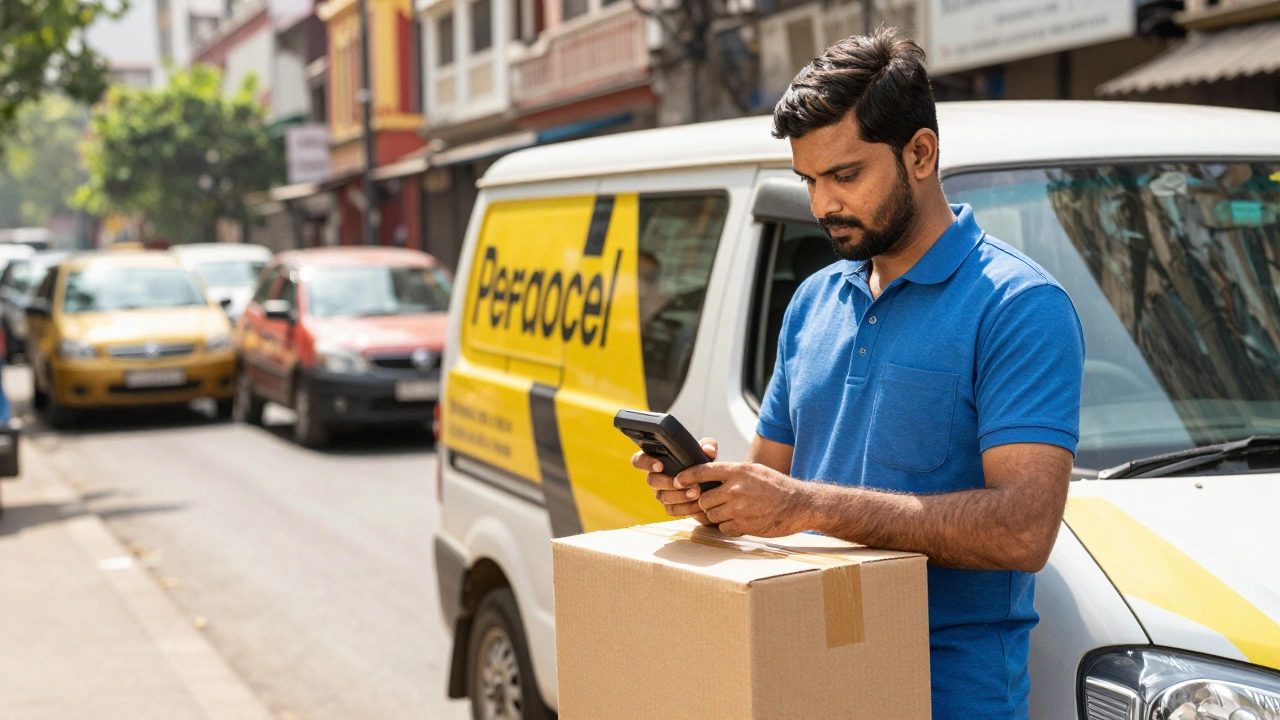
Courier Profitability Calculator
Estimate your weekly out-of-pocket costs. These are subtracted from gross income.
Your Financial Breakdown
Have you ever watched a driver drop off a package and wondered if that single stop just put money in their pocket? It’s a fair question. The short answer is: sometimes yes, but usually no. In 2026, the way couriers get paid is a complex mix of hourly wages, piece-rate bonuses, and gig-economy algorithms. If you are thinking about becoming a courier, or if you are an e-commerce business trying to understand your shipping costs, knowing this distinction matters more than ever.
The "per parcel" model sounds simple on paper-deliver one box, get paid X amount. But in reality, most professional logistics companies use hybrid systems to keep drivers motivated while ensuring they show up even when packages are light. Let’s break down how the money actually moves in the last-mile delivery world.
The Two Main Pay Models: Hourly vs. Piece-Rate
To understand courier compensation, we need to look at the two dominant structures in the industry. Most drivers fall into one of these buckets, or a combination of both.
Hourly Wages: This is the traditional employment model. You clock in, you work for eight hours, you get paid for those eight hours regardless of whether you delivered ten packages or a hundred. This model is common among large national carriers like UPS and unionized postal services. For the driver, this offers stability. Rain or shine, holiday rush or slow Tuesday, the paycheck looks similar. However, it can feel unfair during peak seasons when you are working hard but not earning extra for the volume.
Piece-Rate (Per Parcel): Here, every scan counts. You deliver a package, you get a specific fee. This is the heart of the gig economy and many private courier firms. It rewards speed and efficiency. If you know the shortcuts and can unload quickly, you can earn significantly more than your hourly peers. But there is a catch: if the van runs out of packages before your shift ends, you might go home with less money than someone who sat in a chair all day.
How Gig Economy Apps Calculate Your Earnings
If you drive for platforms like Uber Connect, DoorDash Drive, or specialized local courier apps, the "per parcel" rate isn’t fixed. These platforms use dynamic pricing algorithms. Think of it like surge pricing for rideshares, but for boxes.
| Factor | Impact on Pay | Example Scenario |
|---|---|---|
| Distance | Base rate + mileage reimbursement | A 5km trip pays more than a 1km trip due to fuel and time. |
| Weight/Size | Surcharges for heavy items | Moving a fridge pays double a standard document envelope. |
| Time of Day | Premium multipliers | Deliveries between 7 PM - 9 PM often have a 1.5x bonus. |
| Weather | Hazard pay incentives | Heavy snow or rain triggers automatic higher rates to ensure coverage. |
In Toronto, for instance, a standard small package delivery might net a driver $8 to $12. But if that same package needs to be delivered within an hour during a blizzard, that rate could jump to $25. The platform uses these incentives to solve their own supply problems. They aren't paying you strictly for the labor; they are paying you to appear when they desperately need drivers.
The Hybrid Model: Base Plus Bonus
Many mid-sized logistics companies use a hybrid approach to balance fairness with motivation. Drivers receive a guaranteed hourly wage (often slightly above minimum wage) plus a piece-rate bonus once they hit a certain threshold. For example, a driver might make $18/hour, but after delivering 20 packages, each additional package earns them $2.50.
This structure protects the driver from empty shifts while encouraging them to push through the lunch rush. It also helps companies manage expectations. During the holidays, when volume is high, drivers love this model because their earnings skyrocket. In January, when volume drops, they still have a safety net. This is becoming the standard for professional B2B courier services that handle sensitive documents or medical supplies.
What About Expenses? The Hidden Cost of "Per Parcel" Pay
When people ask if couriers get paid per parcel, they often forget to subtract the cost of doing business. If you are classified as an independent contractor (which most gig drivers are), that "per parcel" fee is gross income, not net profit.
- Fuel Costs: Gas prices fluctuate wildly. A route that was profitable last month might break even today if gas prices spike.
- Vehicle Maintenance: Stop-and-go city driving kills brakes, tires, and transmissions faster than highway cruising. High-mileage couriers spend thousands annually on repairs.
- Insurance: Personal auto insurance rarely covers commercial deliveries. Professional liability and cargo insurance can cost hundreds of dollars a year.
- Taxes: Without an employer withholding taxes, you must set aside roughly 30% of your earnings for income tax and self-employment contributions.
A savvy courier doesn't just count the checks. They track every kilometer. If a job pays $10 but requires 15 kilometers of driving in traffic, the actual hourly rate might drop below minimum wage once expenses are factored in.
Specialized Couriers: Higher Risk, Higher Reward
Not all parcels are created equal. Specialized couriers who handle high-value items, pharmaceuticals, or legal documents often command higher rates. These roles usually require background checks, specialized training, and sometimes even security clearances.
For example, a courier transporting cash for armored car services or handling confidential legal briefs for law firms may earn a flat daily rate of $300-$500, regardless of the number of stops. The value here isn't the physical movement of the object; it's the trust, security, and discretion provided by the driver. In these cases, the "per parcel" metric becomes irrelevant. You are being paid for your reliability and professionalism.

How E-Commerce Changes Are Shifting Pay Structures
The rise of same-day and instant delivery has put pressure on traditional pay models. Consumers expect their Amazon or grocery orders to arrive in under two hours. To meet this demand, companies are increasingly turning to crowdsourced fleets rather than full-time employees.
This shift means more variability for drivers. In 2026, we are seeing a trend toward "micro-shifts." Instead of an 8-hour block, drivers can pick up three-hour windows. The pay per parcel in these micro-shifts is often higher to compensate for the lack of job security and benefits. However, it also means less predictable income. One week you might grab five shifts and earn well; the next week, the app might have zero availability in your area.
Additionally, customer tips are playing a larger role. While not part of the base "per parcel" rate, tips can add 10-20% to a driver's weekly income, especially in food and grocery delivery sectors. In premium courier services, tipping is less common but growing as consumers realize the effort involved in navigating apartment buildings and parking challenges.
Is It Worth Becoming a Courier?
If you value flexibility and hate sitting in an office, courier work can be lucrative. Top performers in major cities like Toronto, New York, or London can earn six figures annually by maximizing peak hours and choosing high-value routes. But it is not passive income. It is physically demanding, mentally stressful, and financially volatile.
Before signing up, calculate your true hourly rate. Take your expected weekly earnings, subtract fuel, maintenance, insurance, and estimated taxes, then divide by the hours you plan to drive. If that number meets your financial goals, then the "per parcel" model works for you. If not, you might be better suited for a salaried logistics role with benefits.
Do UPS and FedEx drivers get paid per package?
Generally, no. Most full-time UPS and FedEx drivers are salaried or hourly employees with strong union contracts. Their pay is based on seniority and hours worked, not the number of packages delivered. However, some seasonal or contract drivers for these companies may operate on a piece-rate basis during peak holiday seasons.
How much does a gig courier make per delivery in 2026?
Rates vary widely by city and service type. In major metropolitan areas, a standard small package delivery typically pays between $8 and $15. Heavy items or urgent same-day deliveries can range from $20 to $50+. Food and grocery deliveries often include a base fee plus tips, averaging $10-$20 per order including gratuities.
Are couriers considered employees or independent contractors?
It depends on the company. Large traditional carriers like USPS and UPS employ most of their drivers as regular employees with benefits. Gig economy platforms like Uber Connect, DoorDash, and most local on-demand courier apps classify drivers as independent contractors. This means they are responsible for their own taxes, insurance, and vehicle maintenance.
Does weather affect courier pay rates?
Yes, especially for gig economy and on-demand services. Many apps implement "surge pricing" or bad weather bonuses during rain, snow, or extreme heat to incentivize drivers to work. Traditional hourly employees usually do not see a direct increase in pay for bad weather, though they may receive hazard pay depending on their union contract.
What expenses should I deduct if I'm a per-parcel courier?
Key deductible expenses include fuel, vehicle maintenance and repairs, tire wear, phone bills (if used for navigation/apps), insurance premiums for commercial use, and a portion of your home internet if you manage bookings online. Keeping detailed logs of miles driven and receipts is crucial for accurate tax deductions.