DHL vs USPS Shipping Value Calculator
Shipment Details
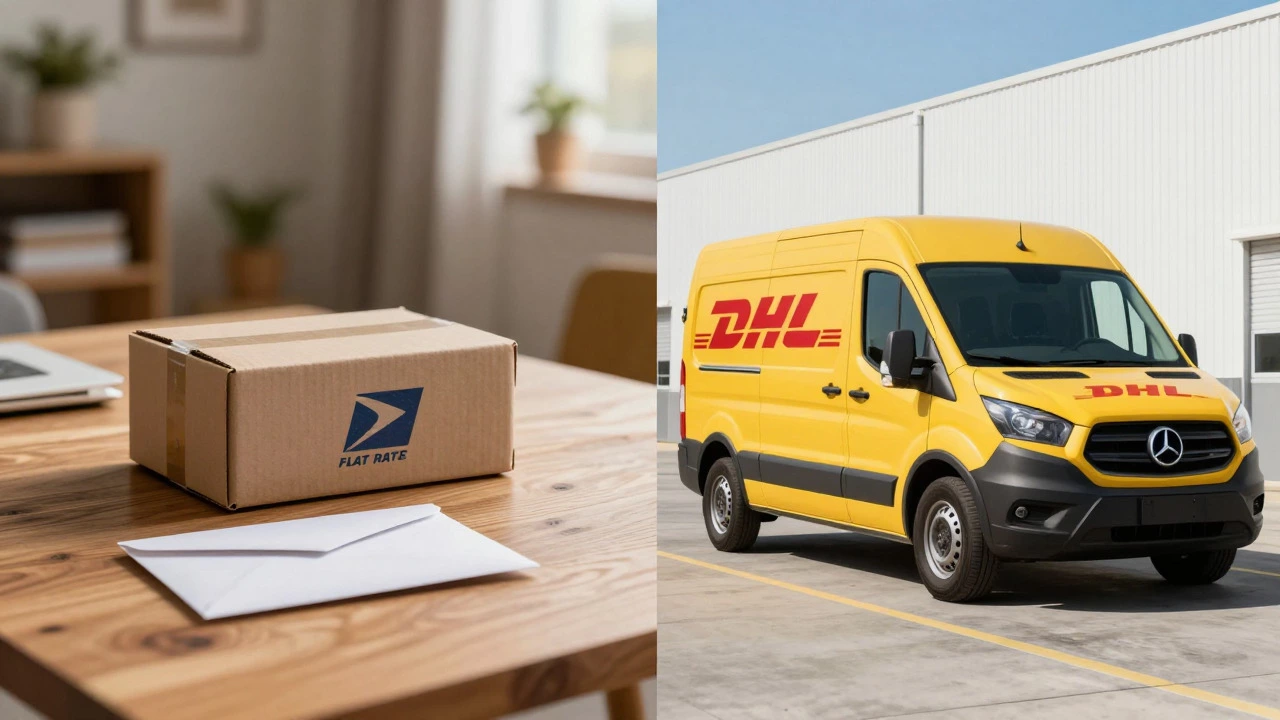
USPS International
Best for light, non-urgent shipments.
DHL Express Worldwide
Best for speed, heavy items, and reliability.
Shipping a package overseas is rarely just about getting it from Point A to Point B. It’s a balancing act between your budget, how fast the recipient needs the item, and whether you want to deal with customs paperwork yourself or pay someone else to handle it. When DHL and USPS are on the table, the question isn't just "who is cheaper?" The real question is: "Who offers better value for my specific shipment?"
If you are sending a small, lightweight parcel like a letter or a small box of jewelry, United States Postal Service (USPS) is often the most cost-effective option for residential international shipping. However, if you are moving heavier goods, need guaranteed delivery speeds, or require door-to-door service without the recipient having to visit a post office, DHL Express Worldwide is a premium courier service specializing in time-definite global logistics.
| Feature | USPS | DHL Express |
|---|---|---|
| Best For | Light packages (<2 lbs), documents, non-urgent items | Heavy packages (>2 lbs), urgent deliveries, commercial shipments |
| Cost Structure | Flat rate options; lower base price for light items | Weight/dimensional pricing; higher base price but competitive for heavy items |
| Delivery Speed | 6-20 business days (varies by service) | 1-3 business days globally |
| Customs Handling | Sender fills forms; local postal service delivers | Full clearance management included |
| Tracking | Basic tracking; updates may stop until arrival in destination country | Real-time, detailed door-to-door tracking |
Understanding the Pricing Models
To figure out who is cheaper, you first have to understand how they charge. They don’t use the same ruler. USPS relies heavily on distance-based zones and weight brackets, often offering flat-rate boxes that ignore actual weight up to a limit. This means if you fit a 5-pound item into a Medium Flat Rate Box, you pay the same as if you put a 1-pound item in it. For very light items under 4 pounds, this model is incredibly cheap.
DHL Express, on the other hand, uses dimensional weight pricing combined with actual weight, whichever is greater. If your box is large but light, DHL charges based on the space it takes up on their plane. If it’s small and dense, they charge by the pound. While the base rate for DHL looks scary compared to a First-Class Package International Service label from USPS, DHL often has negotiated commercial rates that drop significantly for businesses. More importantly, for packages over 2 kilograms (4.4 lbs), DHL’s per-kilogram rate often becomes cheaper than USPS Priority Mail International, which jumps in price sharply after the first few pounds.
Let’s look at a concrete example. Sending a 1-pound document envelope to Germany via USPS First-Class International might cost around $15-$20. Doing the same via DHL Express could set you back $70-$90. In this scenario, USPS is undeniably cheaper. But send a 10-pound box of electronics to the same address. USPS Priority Mail International might run you $80-$100 with no guarantee on speed. DHL Express might quote $120-$150, but it arrives in 2 days instead of 10, and you get full insurance and signature confirmation included. Is DHL cheaper? No. Is it better value? That depends on if you’re selling high-margin goods where customer satisfaction drives repeat sales.
The Hidden Costs of "Cheap" Shipping
When people ask "who is cheaper," they usually mean the sticker price on the shipping label. But international shipping has hidden costs that can turn a cheap label into an expensive headache. These include customs brokerage fees, duties, taxes, and delivery attempts.
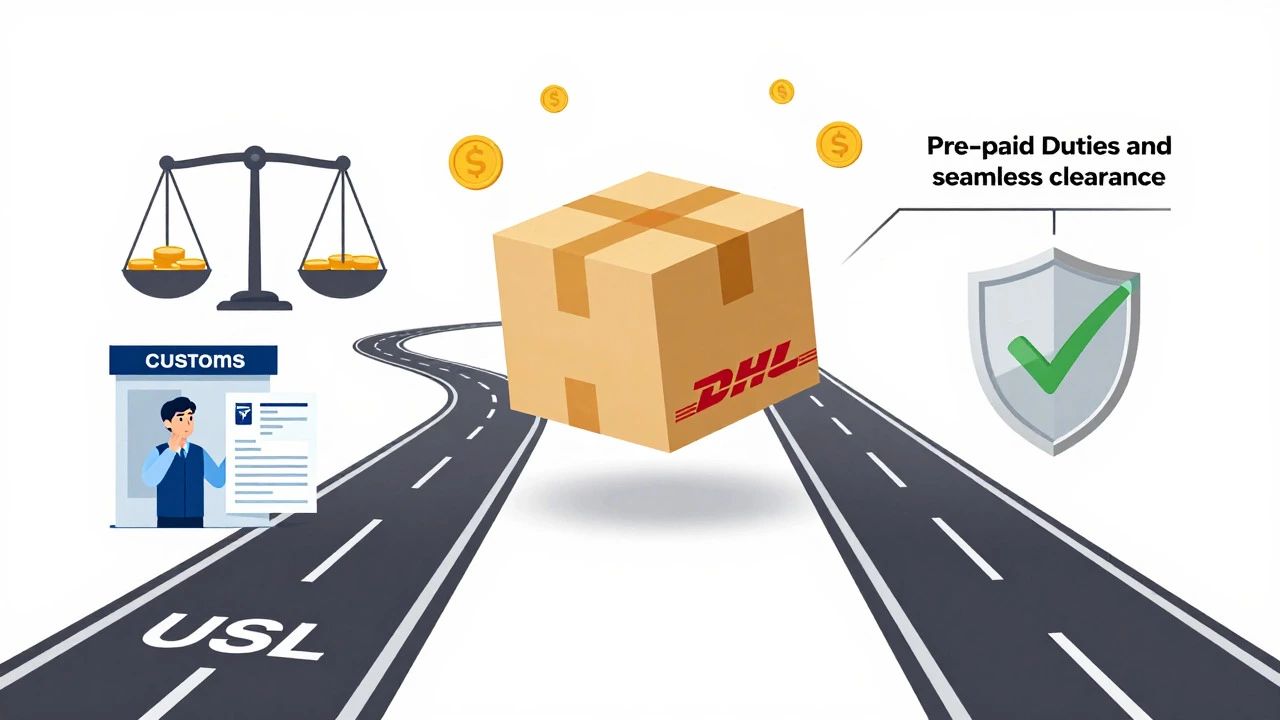
USPS acts as a postal operator that hands off international mail to the destination country's national postal service. This means once your package leaves the US, USPS loses direct control. If customs in France holds your package because of a missing form, the French Post handles it. Often, recipients are hit with unexpected handling fees from the local carrier because the sender didn’t prepay duties. This leads to refused packages, which cost you money and time to return.
DHL Express operates as a private courier with its own global network and customs clearance teams. They manage the entire journey. Their systems automatically calculate duties and taxes in many countries, allowing you to offer "DDP" (Delivered Duty Paid) services where the customer pays everything upfront. This reduces the chance of refusal. While the shipping label costs more, the reduction in failed deliveries and customer service complaints saves money in the long run for e-commerce businesses.
Speed vs. Cost: The Trade-Off
Time is money. If you are shipping a birthday gift, a medical device, or a critical business contract, the "cheapest" option is the one that arrives when promised. USPS Priority Mail International typically takes 6 to 10 business days to major destinations, but this is not a guarantee. During peak seasons like the holidays, these timelines can stretch to 3-4 weeks. There is also the risk of the package sitting in a warehouse for days without scanning updates.
DHL Express Worldwide guarantees delivery within 1 to 3 business days to most major cities globally. If they miss the window, they often provide credits or refunds. For businesses, this reliability allows for smaller inventory holdings because you can ship on demand rather than pre-stocking warehouses abroad. For consumers, it means peace of mind. You aren't just paying for speed; you're paying for certainty.
Which One Should You Choose?
Here is a practical decision tree to help you pick the right carrier based on your specific situation:
- Choose USPS if:
- Your package weighs less than 4 pounds.
- You are sending documents, photos, or low-value items.
- Speed is not critical (you can wait 2-4 weeks).
- You are an individual sender without a commercial account.
- You want to use Flat Rate Boxes to simplify packing.
- Choose DHL if:
- Your package weighs more than 4 pounds (especially over 10 lbs).
- You need delivery in 1-3 days.
- You are shipping high-value items requiring robust insurance and tracking.
- You want door-to-door service without the recipient visiting a post office.
- You are a business looking to minimize customs delays and failed deliveries.
Pro Tips for Saving Money on Both
Whether you choose DHL or USPS, you can reduce costs by following these strategies:
- Use Commercial Rates: Retail prices at the post office or DHL website are the highest possible. If you ship regularly, sign up for a business account. Platforms like Pirate Ship, Shippo, or EasyPost offer discounted USPS rates (sometimes up to 50% off). Similarly, DHL offers significant discounts for registered businesses through their online portal.
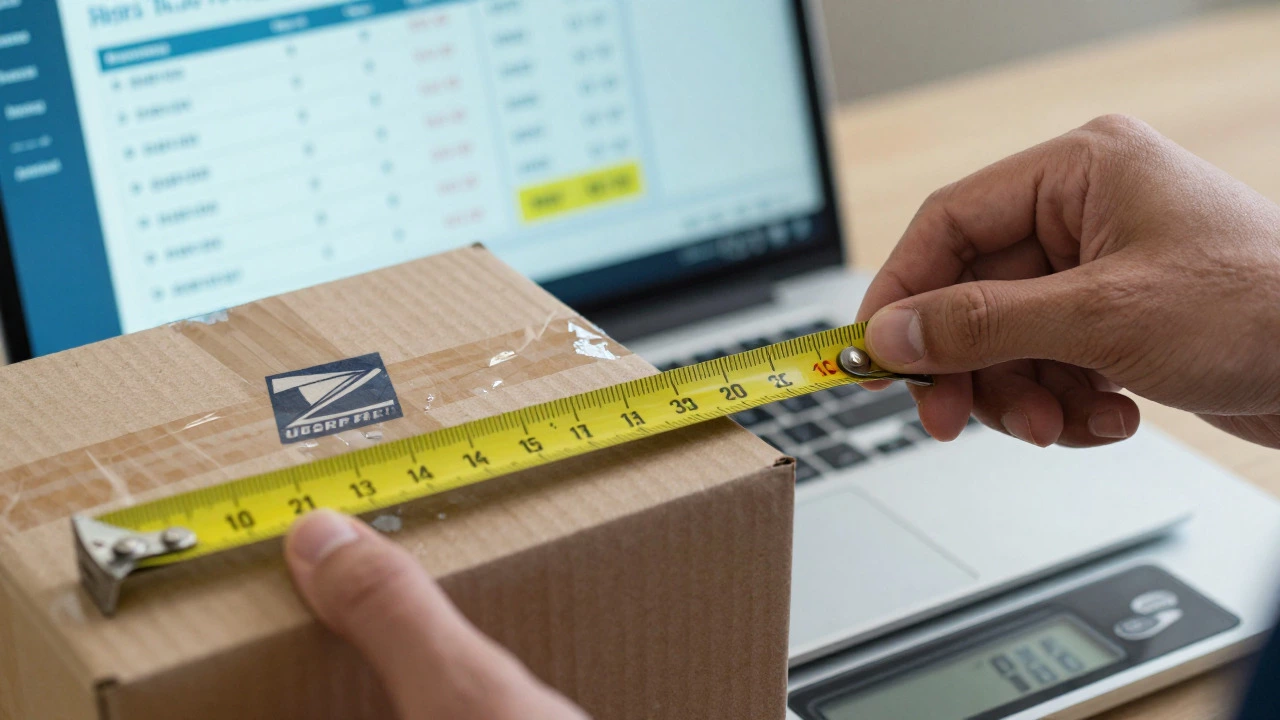
- Optimize Packaging: Since DHL charges by dimensional weight, measure your box carefully. A slightly smaller box can save you dollars. For USPS, ensure you meet the size requirements for Flat Rate boxes to maximize value.
- Fill Out Customs Forms Accurately: Vague descriptions like "Gift" or "Merchandise" can cause customs delays. Be specific: "Cotton T-shirt, used." Delays cost money in storage fees and frustrated customers.
- Compare Before You Print: Never assume one carrier is always cheaper. Use a shipping calculator that compares both carriers side-by-side for your exact dimensions and destination. Prices fluctuate based on fuel surcharges and seasonal demand.
Final Thoughts on Value
So, is DHL or USPS cheaper? For small, light, non-urgent packages, USPS wins on pure price. For heavier, urgent, or high-value shipments, DHL provides better overall value despite the higher upfront cost. The "cheapest" option is the one that gets your package delivered successfully without extra fees, delays, or lost items. Always calculate the total landed cost, including potential customs issues, before making your final decision.
Is DHL really faster than USPS for international shipping?
Yes, DHL Express is significantly faster. DHL typically delivers in 1-3 business days worldwide, while USPS Priority Mail International takes 6-10 business days and is not guaranteed. USPS First-Class International can take up to 20 days or more.
At what weight does DHL become cheaper than USPS?
There is no single weight cutoff, but generally, for packages over 4-5 pounds, DHL's per-kilogram rates often become competitive with or cheaper than USPS Priority Mail International, especially if you have a commercial account. For packages under 2 pounds, USPS is almost always cheaper.
Does USPS deliver internationally door-to-door?
It depends on the destination country. In some countries, USPS partners with local postal services that do door-to-door delivery. In others, the recipient may need to pick up the package at a local post office. DHL always provides door-to-door service.
Which carrier has better tracking for international packages?
DHL has superior tracking. It provides real-time, detailed updates throughout the entire journey. USPS tracking can be inconsistent internationally, often showing no updates until the package arrives in the destination country and is scanned by the local postal service.
Can I use DHL for personal, non-business shipments?
Yes, anyone can use DHL Express. However, retail prices are higher. If you are an individual shipping occasionally, USPS might still be more cost-effective for lighter items. For heavier or urgent personal shipments, DHL is a viable and reliable option.
How do customs fees affect the total cost of shipping?
Customs fees (duties and taxes) are charged by the destination country, not the carrier. However, DHL often includes customs clearance in its service, reducing the risk of hidden handling fees. USPS shipments may incur additional brokerage fees from the local postal service if duties are owed, which the recipient must pay upon delivery.