International Shipping: What You Need to Know Before Sending Anything Abroad
Thinking about sending a package to another country? It feels like a maze, but you don’t have to get lost. In this guide we break down the biggest cost drivers, share simple tricks to trim the bill, and compare the main ways to move goods overseas.
How Shipping Companies Set Their Prices
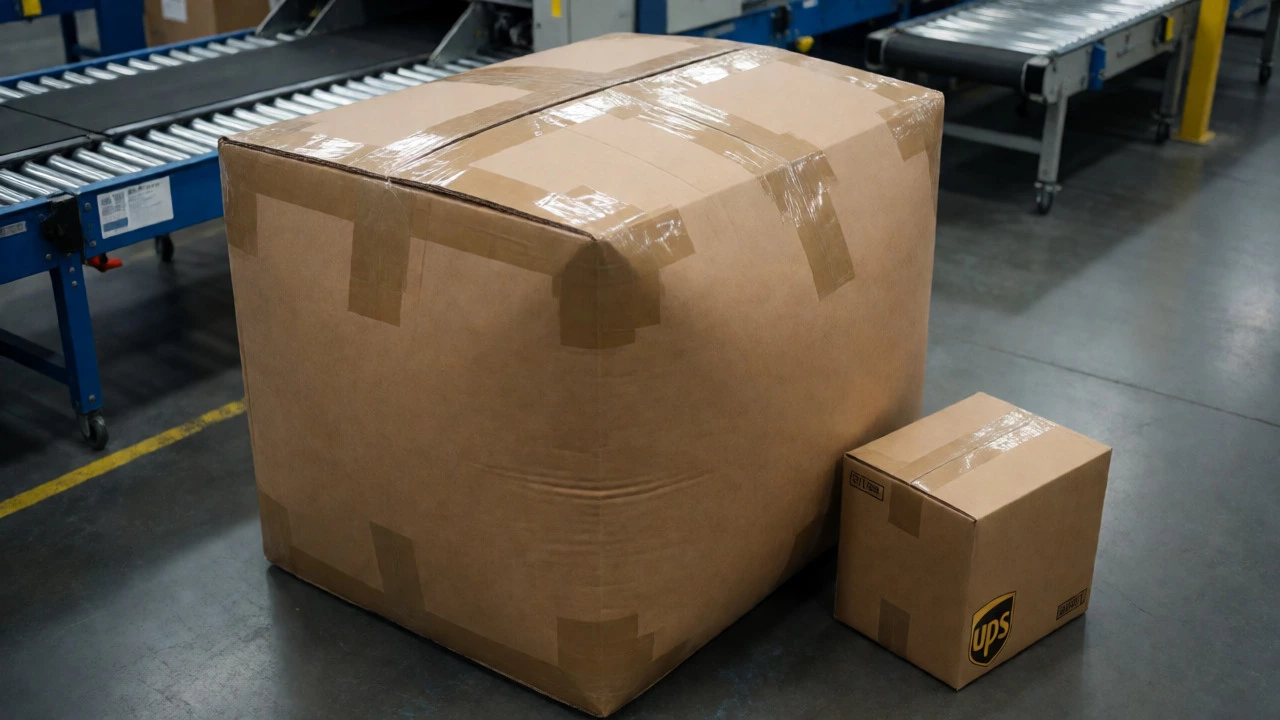
First, understand that most carriers charge by weight, size and distance. The heavier the box, the more you pay. But size matters too—big, empty boxes get billed for their "dimensional weight," which is a calculated weight based on volume. A small, dense parcel can be cheaper than a light, bulky one. Next comes the destination zone: shipping to Europe is usually cheaper than shipping to Oceania because of distance and local fees.
Don’t forget customs duties and taxes. Some countries add a flat fee, others charge a percentage of the item’s value. If you declare a low value to save on duties, you risk delays or penalties. It’s usually best to be accurate and let the carrier handle the paperwork.
Practical Ways to Cut the Cost
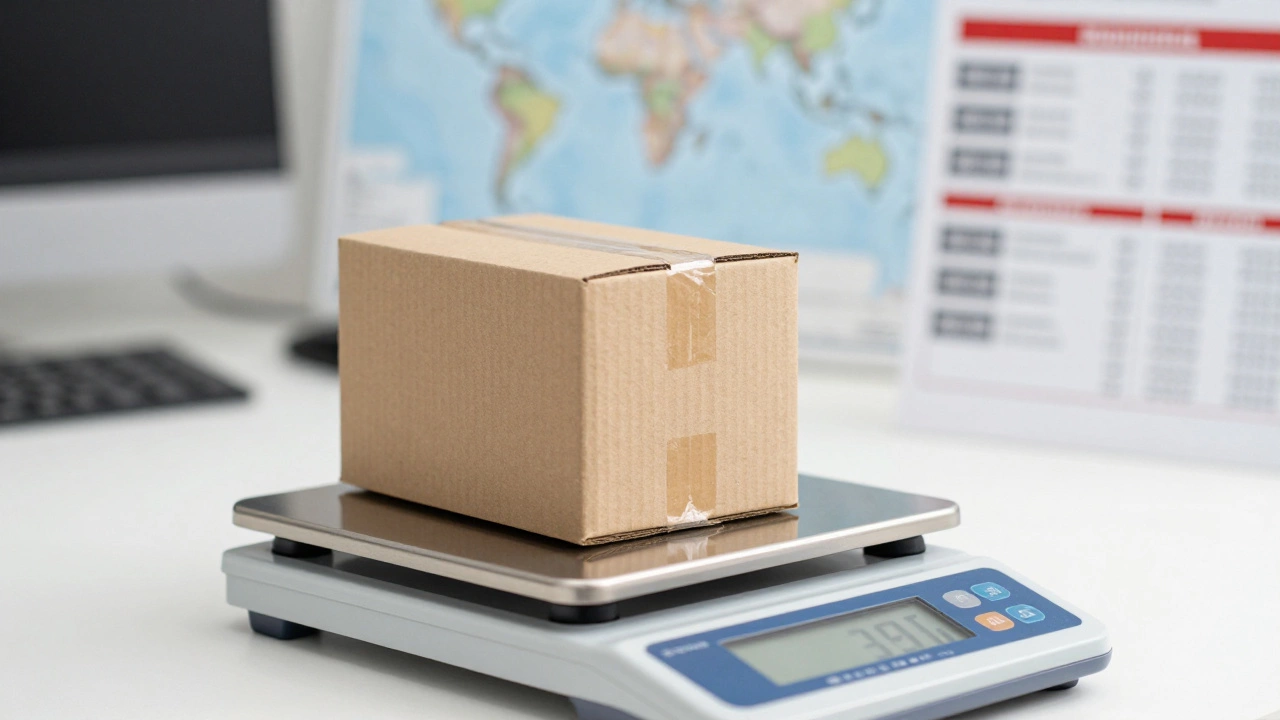
Start with the box you already have. Using a carrier‑provided box can add a handling charge, while a sturdy, correctly sized box you own often saves a few bucks. Measure the box inside, subtract any padding, and calculate the dimensional weight before you ship.
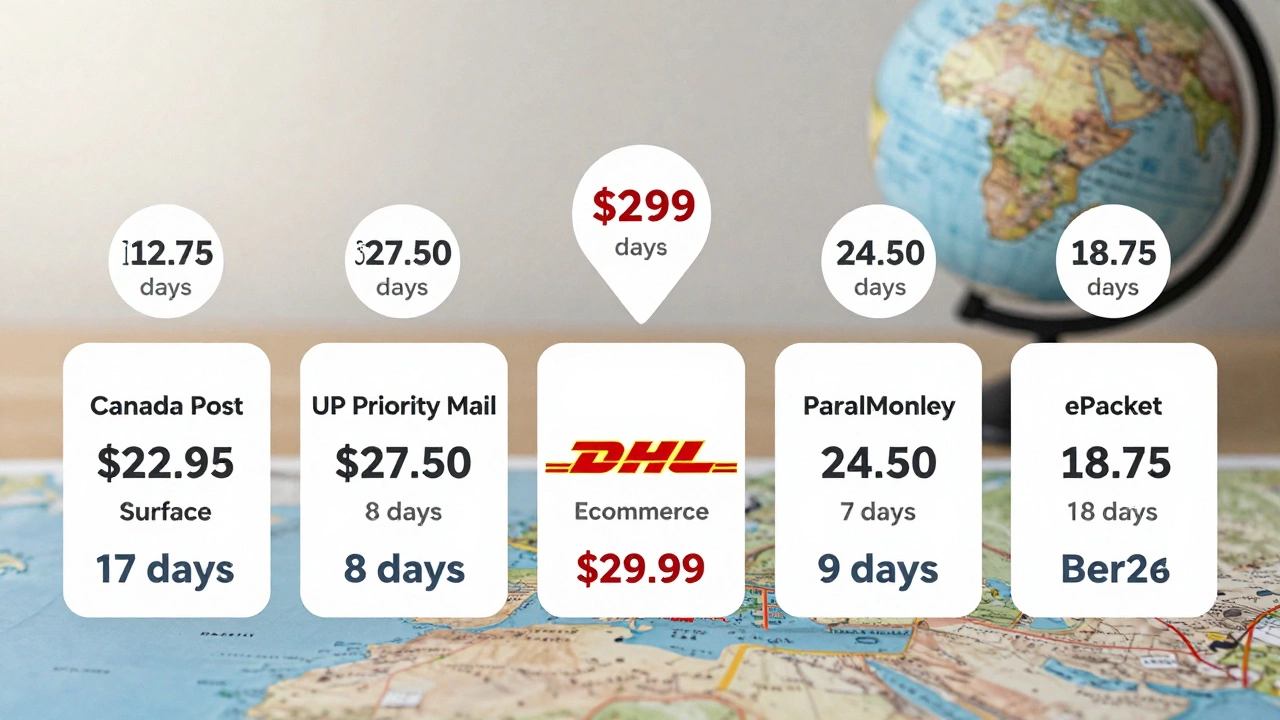
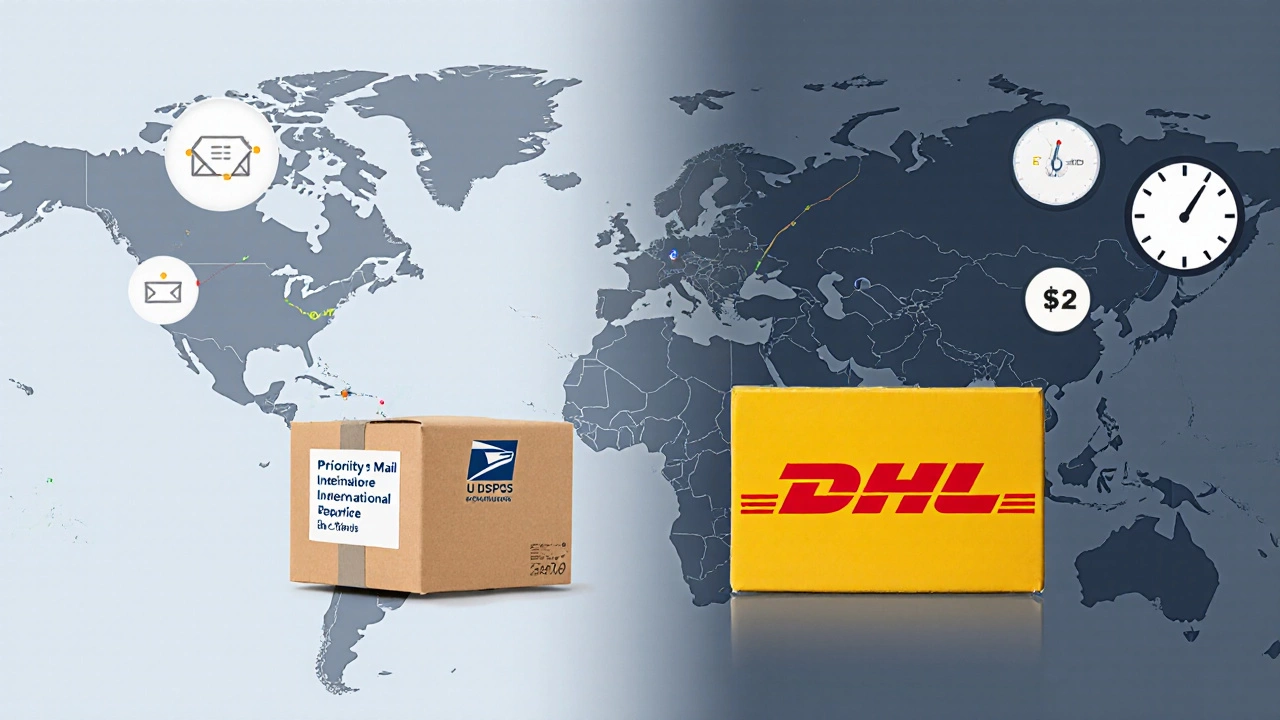
Second, compare carriers. For a 5 kg parcel, USPS might be cheaper for slower delivery, while DHL could win on speed but cost more. Use online rate calculators for at least three providers and pick the one that balances price and service for your timeline.
Third, consolidate shipments. If you have several items heading to the same country, bundle them into one larger box. You’ll pay one set of customs forms and often get a bulk‑discount rate.
Fourth, consider the mode of transport. Sea freight is the low‑cost option for heavy, non‑urgent cargo, but expect weeks of transit. Air freight gets the job done in days, at a higher price. For a single laptop or a birthday gift, air is usually the only realistic choice.
Lastly, watch out for extra fees. Insurance, signature‑required delivery, and residential surcharges add up quickly. Only add them if absolutely necessary.
By keeping an eye on weight, size, destination, and optional services, you can usually shave 10‑30% off the quoted price. That difference adds up when you ship regularly.
Ready to ship? Grab a tape measure, weigh your package, and run the numbers on a few carrier sites. You’ll be surprised how much cheaper it can be when you know what you’re paying for.