Small Business Shipping Cost Estimator
Pros: Cheapest for light items, delivers to PO Boxes.
Cons: Slower tracking updates, handling can be rougher.
Pros: Excellent for heavy/bulky items, consistent noon deliveries.
Cons: Dimensional weight pricing can increase costs.
Pros: Best for urgent residential deliveries, reliable overnight.
Cons: High accessorial fees, expensive for non-urgent items.
Recommended Choice
Calculating best option...
You have a product. A customer wants it. The clock is ticking. For a small business owner, the gap between "ordered" and "delivered" isn't just a logistical hurdle; it's your brand reputation on the line. One late package can cost you a five-star review. One lost item can eat your entire profit margin for the month. So, who do you trust with that box?
There is no single "best" courier service for every small business. The right choice depends entirely on what you sell, where your customers live, and how much you can afford to spend on each order. In 2026, the landscape has shifted again. Fuel surcharges are volatile, last-mile delivery expectations are stricter than ever, and AI-driven routing has made some carriers significantly faster while others have slowed down due to volume.
This guide cuts through the marketing noise. We will look at the major players, break down their actual strengths and weaknesses for small businesses, and help you decide which one fits your specific operation.
The Big Three: National Giants vs. Local Agility
When most people think of shipping, they think of the big national carriers. These companies offer coverage that spans almost every zip code in the country. They are reliable, predictable, and often integrated into the e-commerce platforms you already use.
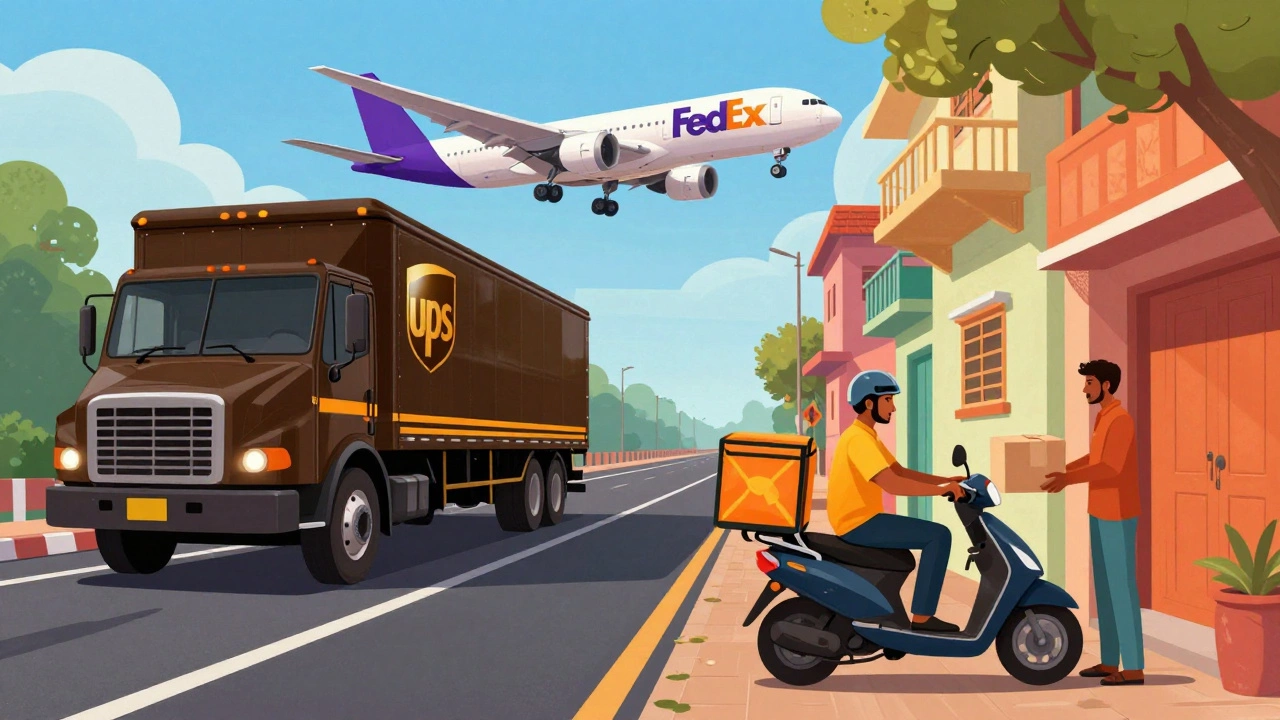
UPS is a global logistics company known for its extensive ground network and reliable tracking systems. For small businesses selling heavy or bulky items, UPS Ground remains a powerhouse. Their dimensional weight pricing can be tricky, but their delivery consistency is hard to beat. If you need your package there by noon tomorrow, UPS Next Day Air is expensive but dependable.
FedEx is a multinational delivery services company specializing in air freight and overnight shipping solutions. FedEx often wins on speed for lighter packages. Their Home Delivery service is tailored for residential addresses, which means fewer missed deliveries compared to standard commercial routes. However, their accessorial fees (like signature confirmation or hold at location) can add up quickly if you aren't watching them.
USPS is the United States Postal Service, a government-owned entity providing universal mail delivery to every address in the US. USPS is the unsung hero for small businesses. Why? Because they deliver to PO Boxes and military addresses, something private carriers don't do well. Their Flat Rate boxes are a lifesaver for unpredictable inventory. If you are shipping lightweight items under 1 pound, USPS First Class Package is often the cheapest option available, period.
The Rise of Regional and On-Demand Couriers
National giants are great for coast-to-coast shipping, but they are terrible for local deliveries. If your customer lives 15 miles away, sending a package through a national hub adds days to the transit time. This is where regional couriers and on-demand apps shine.
LaserShip is a regional last-mile delivery provider that partners with major retailers to offer flexible delivery windows. LaserShip operates in specific regions, primarily the Northeast and Midwest. They are known for better customer service because their drivers cover smaller areas. If your business is concentrated in these zones, LaserShip can offer cheaper rates and more accurate tracking updates than the big three.
Then there are the gig-economy couriers like DoorDash Drive and Uber Direct, which are on-demand delivery platforms connecting businesses with independent drivers for immediate local transport. These services allow you to send a package anywhere within your city in under an hour. Yes, it costs more per mile. But for high-value items, emergency replacements, or B2B documents, the speed justifies the price. It turns your store into a fulfillment center for same-day delivery without hiring your own fleet.
Comparing Costs and Speeds: A Practical Breakdown
Price is not static. It changes based on weight, dimensions, distance, and fuel surcharges. To give you a realistic picture, let's look at how different services handle common small business scenarios in 2026.
| Service Type | Best For | Avg. Cost (1 lb, Zone 3) | Delivery Time | Key Advantage |
|---|---|---|---|---|
| USPS First Class | Etsy sellers, jewelry, light goods | $4.50 - $6.00 | 2-5 Days | Cheapest for light items |
| UPS Ground | Heavy items, furniture, bulk orders | $8.00 - $12.00 | 1-5 Days | Reliable handling of heavy loads |
| FedEx Express Saver | Urgent documents, medical supplies | $25.00 - $35.00 | Next Day | Speed and reliability |
| Regional Courier | Local B2B, perishable food | $15.00 - $25.00 | Same Day | Personalized service |
Note that these prices are estimates for a 1-pound package shipped across moderate distances (Zone 3). Actual costs will vary. Always use a shipping calculator before committing to a rate.
Technology Integration: Making Shipping Invisible
The best courier service is the one that doesn't require you to manually print labels and run to the post office. In 2026, integration is non-negotiable. You need a system that pulls orders from your Shopify, WooCommerce, or Etsy store and automatically generates labels.
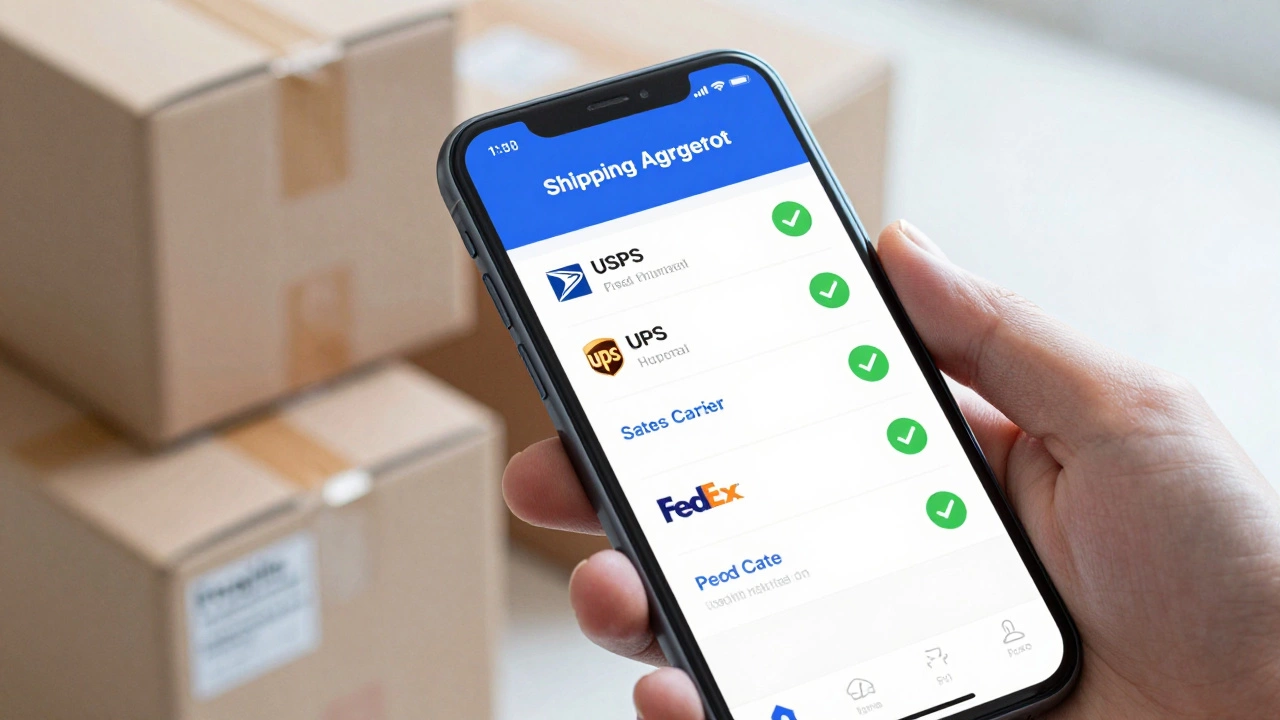
Platforms like Shippo and Pirate Ship are shipping software aggregators that compare rates across multiple carriers and automate label creation. These tools don't ship packages themselves; they act as a middleman. They connect to UPS, FedEx, USPS, and DHL simultaneously. When you enter a package details, they show you the cheapest option from all carriers. Often, you can save 20-40% compared to retail counter rates because these platforms negotiate bulk discounts on behalf of small businesses.
If you are using Shopify, which is an e-commerce platform that provides integrated shipping discounts for merchants, you get built-in discounts with UPS, USPS, and DHL Express. For many small stores, this native integration is enough. You don't need a third-party app unless you are shipping hundreds of orders a day or need complex rules like "always use FedEx for orders over $50."
Customer Experience: Tracking and Communication
Your job isn't done when the driver picks up the box. Your job is done when the customer opens it. The courier service you choose directly impacts your customer support workload.
Tracking accuracy varies wildly. Some carriers update tracking only when the package leaves a facility. Others provide real-time GPS tracking. DHL Express is a global courier service renowned for its international shipping capabilities and advanced tracking technology. While DHL is less dominant in domestic US shipping, their tracking is exceptionally detailed. If you sell internationally, DHL is often the best choice despite higher costs. Their customs clearance process is smoother, reducing the chance of your package getting stuck at the border.
For domestic US shipping, USPS has improved its tracking significantly. However, "Out for Delivery" notifications can sometimes be inaccurate. FedEx and UPS generally have more precise estimated delivery times. If your customers are impatient, choosing a carrier with better communication can reduce the number of "Where is my order?" emails you receive.
How to Choose: A Decision Framework
Stop guessing. Use this simple framework to pick your primary and secondary couriers.
- Analyze your average order weight. If most orders are under 1 pound, start with USPS. If they are over 5 pounds, look at UPS Ground or FedEx Ground.
- Check your customer locations. Are 80% of your sales in one region? Find a regional courier. Are they spread nationwide? Stick with the big three.
- Calculate your margins. Can you absorb a $5 shipping cost? If not, you need the cheapest option, even if it takes longer. Be transparent with customers about delivery times.
- Test integration. Does the carrier integrate with your store? If you have to manually enter data, you will make mistakes. Mistakes cost money.
- Consider insurance. High-value items need guaranteed insurance. Some carriers include basic coverage; others charge extra. Know what you are covered for.
Most successful small businesses use a hybrid approach. They use USPS for cheap, slow shipping on low-cost items. They use FedEx or UPS for urgent, high-value orders. And they use a local courier for same-day deliveries in their home city. Don't lock yourself into one provider. Keep your options open.
Pitfalls to Avoid
Even with the best carrier, things go wrong. Here are common traps small businesses fall into:
- Ignoring dimensional weight. Carriers charge based on size, not just weight. A large, light box can cost more to ship than a small, heavy one. Optimize your packaging. Smaller boxes mean lower rates.
- Underestimating fuel surcharges. These fees change monthly. Build a buffer into your shipping prices so a 5% fuel hike doesn't wipe out your profit.
- Poor packaging. No matter how good the courier is, a crushed box leads to returns. Invest in sturdy boxes and bubble wrap. It's cheaper than replacing products.
- Not offering free shipping thresholds. Instead of charging flat shipping, offer free shipping on orders over $50. This encourages larger baskets and offsets shipping costs.
Shipping is a balance of cost, speed, and reliability. You can't always have all three. Decide which two matter most to your business, and choose the courier that delivers those priorities consistently.
Which courier is cheapest for small packages?
For packages under 1 pound, USPS First Class Package Service is typically the cheapest option. It offers affordable rates and reliable delivery within 2-5 business days. For slightly heavier items up to 15.9 ounces, USPS Media Mail can be even cheaper if you are shipping books or educational materials.
Is UPS or FedEx better for small businesses?
It depends on your needs. UPS is generally better for heavy ground shipments and has a more extensive rural network. FedEx is often preferred for overnight air shipping and residential deliveries. Both offer competitive rates for small businesses, so it's worth comparing quotes for your specific routes.
How can I reduce shipping costs for my online store?
Reduce packaging size to avoid dimensional weight charges. Use shipping software like Pirate Ship or Shippo to access discounted commercial rates. Offer free shipping thresholds to encourage larger orders. Finally, consider regional carriers for local deliveries to bypass national network markups.
Do I need insurance for my shipped packages?
Yes, especially for high-value items. Most carriers provide limited liability (often around $100) for free. For items worth more, purchase additional insurance. It protects you from loss or damage during transit and builds trust with customers who know their investment is secured.
What is the best courier for international shipping?
DHL Express is widely regarded as the best for international shipping due to its extensive global network and efficient customs clearance processes. USPS Global Express Guaranteed is another strong option for budget-conscious international shipping, though it may take longer. Compare both based on destination and value of goods.